How to choose environmentally friendly food packaging in 2026
Environmentally friendly food packaging starts with the whole system
Choosing environmentally friendly food packaging in 2026 is not simply a matter of replacing one material with another. Buyers need evidence that the full packaging system works: it protects the food, avoids problematic chemicals, reduces unnecessary material, uses responsible inputs, and has a realistic end-of-life route through recycling, composting, or reuse. For teams evaluating how to make food packaging environmentally friendly, the practical order is clear: protect the product first, remove avoidable packaging, specify safer and better-sourced materials, verify recovery infrastructure, and keep claims specific. Current policy signals support this systems view: the EU Packaging and Packaging Waste Regulation generally applies from August 12, 2026; the U.S. FDA says PFAS grease-proofing agents are no longer being sold for paper food packaging in the U.S.; and FTC guidance expects qualified, evidence-backed environmental claims. (environment.ec.europa.eu)
A carton, tray, cup, pouch, wrapper, or molded fiber pack should not be judged by appearance alone. A brown paper finish may look natural but still depend on coatings, inks, adhesives, or plastic windows. A lightweight plastic pack may reduce transport burden but still be a poor choice if it is a hard-to-recycle multilayer structure. A compostable item can be useful for food-soiled service packaging, but the claim becomes weak where composting facilities do not accept that format. Environmentally friendly packaging is a set of verified design choices, not a visual style.
For more sector updates and practical packaging topics, visit the Food Packaging section.
Why material choice alone is not enough
Food packaging has two environmental responsibilities that can pull in different directions. It must reduce the impact of the package itself, while also preventing food damage, leakage, contamination, and spoilage. The Sustainable Packaging Coalition’s 2024 definition treats sustainability as an approach to design, sourcing, manufacturing, use, and disposal rather than a permanent label attached to one material. It also emphasizes life-cycle thinking, material health, reduction, recovery, and infrastructure. (sustainablepackaging.org)
This matters because food often carries a larger embedded footprint than the package around it. If a weaker pack causes more product loss, the environmental gain from using less packaging can disappear. The goal is not minimal packaging at any cost; it is optimized packaging that protects the product with the least practical material and the clearest recovery path.
Waste data also shows why packaging design deserves close attention. In the U.S. EPA’s detailed 2018 municipal solid waste data, containers and packaging accounted for 82.22 million tons, or 28.1% of municipal solid waste generation. The same table reported a 53.9% recycling rate for containers and packaging overall, but plastic containers and packaging had a much lower recycling rate of 13.6% and a landfilling rate of 69.5%. These figures cover all containers and packaging, not only food packaging, but they show why material-specific recovery performance matters. (epa.gov)
A practical definition buyers can use
A useful definition of environmentally friendly food packaging should be testable. Instead of asking whether a pack is green, ask which claim can be proven and under what conditions. The table below turns broad sustainability language into purchasing and editorial checks.
| Decision area | What to verify | Risk if ignored |
|---|---|---|
| Food safety and material health | Food-contact suitability, chemical restrictions, coatings, inks, adhesives, and supplier declarations | A package may be recoverable but still introduce substances that undermine safety or circularity |
| Source reduction | Pack weight, right-sizing, headspace, secondary packaging, and transport efficiency | The pack may look sustainable while using more material than needed |
| Material origin | Recycled content, responsibly sourced fiber, renewable feedstock claims, and traceability | Claims may be vague or unsupported |
| End-of-life route | Local recycling acceptance, composting access, reuse logistics, and clear consumer instructions | The pack may be technically recyclable or compostable but practically landfilled |
| Claim wording | Specific, qualified language such as recyclable where facilities exist or commercially compostable where accepted | Unqualified eco-friendly claims can mislead buyers and consumers |
The FTC Green Guides summarize the same principle for environmental marketing. Recyclable claims should be qualified when appropriate facilities are not available to at least 60% of consumers or communities where the item is sold, and compostable claims require competent and reliable scientific evidence that the package will break down safely in the relevant composting conditions. (ftc.gov)
Material options and their trade-offs
Fiber-based packaging
Paperboard, molded fiber, bagasse, and corrugated formats are common choices for dry foods, takeaway containers, trays, sleeves, and outer packaging. Their strengths include familiar recycling streams in many markets, renewable fiber sourcing, and strong consumer recognition. However, fiber food packaging often needs grease, moisture, or oxygen barriers, and those barriers may affect repulpability, compostability, or chemical profile.
For fiber packaging, the key question is not just whether the pack is made from paper. Buyers should ask whether the fiber is responsibly sourced, whether recycled content is appropriate for the food-contact layer, whether the coating is compatible with the intended recovery route, and whether the pack remains functional without being overbuilt. A molded fiber bowl with a problematic barrier can be less practical than it appears; a simple uncoated paperboard sleeve may be easier to recover.
Recycled-content and mono-material plastic packaging
Plastic remains widely used in food packaging because it can be lightweight, sealable, transparent, and effective against moisture and oxygen. Environmentally preferable plastic strategies usually focus on reduction, mono-material design, increased recycled content where food-contact rules allow it, and avoiding components that disrupt recycling. A pouch made from several incompatible layers may provide excellent barrier performance but be difficult to recycle through conventional systems.
For rigid containers, designers often look at resin choice, color, labels, closures, adhesives, and detection in sorting systems. For flexible packaging, the challenge is harder because many films are lightweight and contaminated by food residue, and some local programs do not accept them. This does not mean plastic can never be the lower-impact option. It means recyclability claims must be specific to the format, market, and collection system.
Compostable packaging
Compostable packaging can make sense for food-soiled items such as certain serviceware, liners, and takeaway formats, especially where food scraps and packaging are collected together by commercial composting programs. It is less convincing when a product is sold into markets without suitable composting infrastructure. The U.S. EPA notes that ASTM D6400 and D6868 outline specifications for plastics labeled commercially compostable, while it also states that there are currently no ASTM standard test methods for evaluating a plastic’s ability to compost in a home environment. (epa.gov)
This distinction matters for wording. Commercially compostable does not automatically mean backyard compostable, marine biodegradable, recyclable, or accepted by every compost facility. Buyers should confirm certification, facility acceptance, labeling requirements, and whether composters in the target market want the material.
Reusable packaging
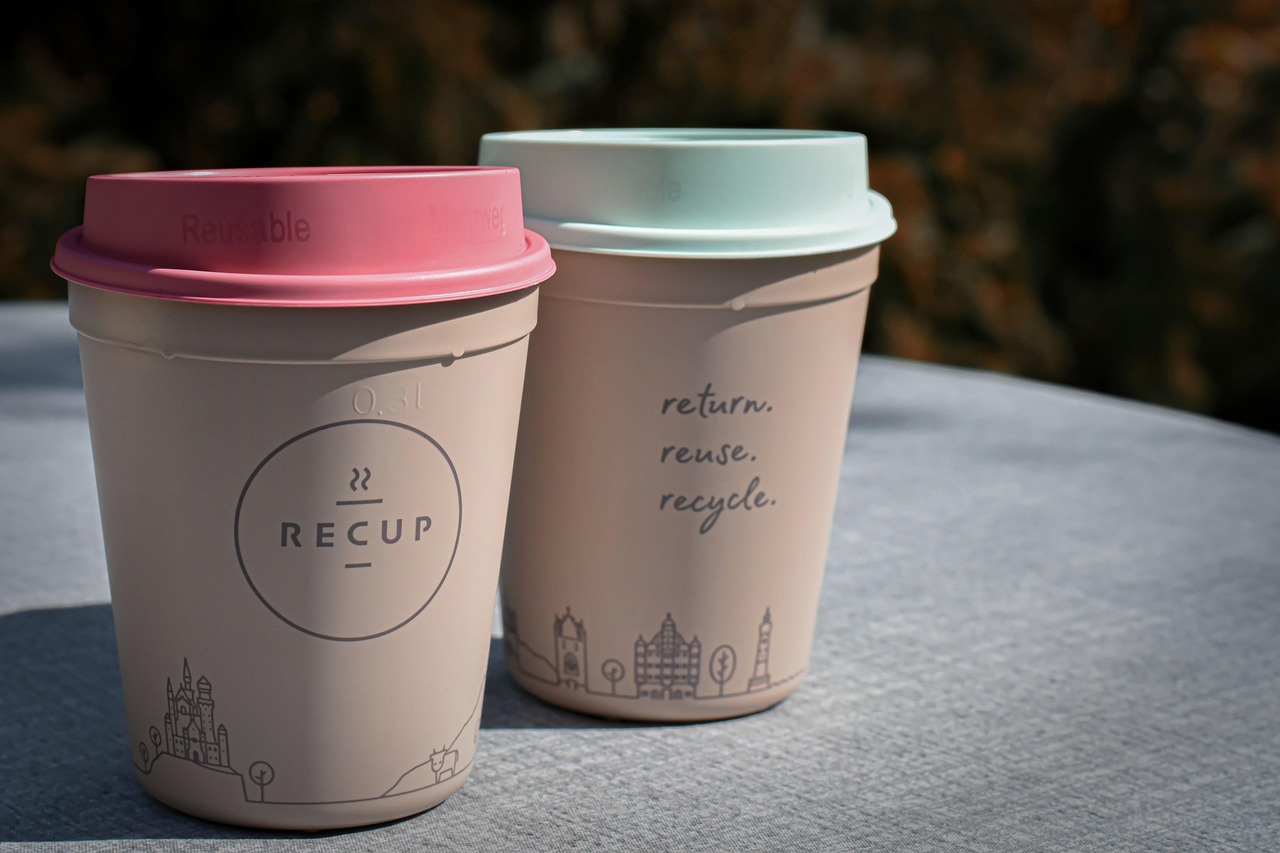
Reusable food packaging can reduce single-use waste when the system achieves enough reuse cycles, return rates, cleaning efficiency, and user participation. It is most promising in closed or semi-closed systems, such as campuses, events, workplace dining, delivery networks, or deposit-return models. The case is less certain when reverse logistics are weak or consumers do not return containers consistently. See also: Eco Packaging.
The Sustainable Packaging Coalition notes that reuse benefits depend on practical system performance, including high return and refill rates, collection, washing, and logistics. In other words, a durable container is not automatically sustainable. The system around it must keep that container in circulation long enough to offset extra material, transport, and washing impacts. (sustainablepackaging.org)
Regulatory and claims signals shaping 2026 decisions
Three developments are especially relevant for food packaging teams in 2026. First, the EU Packaging and Packaging Waste Regulation entered into force on February 11, 2025 and generally applies from August 12, 2026. The European Commission says it covers all packaging and packaging waste, sets requirements for manufacturing, composition, and reusable or recoverable nature, and includes measures such as restrictions on certain single-use plastics and PFAS limits in food-contact packaging where thresholds are exceeded. (environment.ec.europa.eu)
Second, chemical scrutiny is becoming more central to packaging sustainability. In February 2024, the FDA announced that substances containing PFAS were no longer being sold into the U.S. market for use as grease-proofing agents on paper food packaging. FDA materials describe this as the result of voluntary phase-out commitments, prior regulatory actions, and manufacturers ceasing sales for remaining grease-proofing agents. In January 2025, the FDA also issued a notice that 35 related food contact notifications were no longer effective. (fda.gov)
Third, environmental claims need careful wording. Vague statements such as environmentally friendly, biodegradable, or plastic-free may raise more questions than they answer if they do not explain the specific benefit. A stronger claim names the attribute, the test or standard where relevant, and the condition. For example: made with 30% post-consumer recycled content, commercially compostable where accepted, or recyclable in communities that collect this format. This approach is safer for readers and more useful for buyers than broad green language.
How to evaluate a packaging change before launch
A packaging change should be treated as a controlled decision, not a cosmetic substitution. The following sequence helps reduce the risk of solving one problem while creating another.
- Define the food use case. Identify temperature, shelf life, grease, moisture, oxygen barrier, sealing, tamper evidence, transport stress, and consumer handling needs.
- Set the baseline. Record the current material, weight, dimensions, damage rate, disposal route, and claim language. A new option cannot be evaluated clearly without a baseline.
- Remove unnecessary material first. Check right-sizing, downgauging, secondary packaging, inserts, windows, sleeves, and overwrap before changing the main material.
- Request documentation. Ask suppliers for food-contact compliance information, material composition, recycled-content evidence, fiber sourcing records, compostability certification, or recyclability testing as relevant.
- Verify local recovery. A package designed for recycling or composting still needs collection and processing access in the markets where it is sold.
- Test real performance. Pilot the package for filling, sealing, stacking, storage, transport, leakage, shelf life, and consumer use. Environmental performance does not help if the pack fails operationally.
- Write claims last. Marketing language should reflect verified facts, not aspirations. If access is limited, qualify the claim.
This checklist is deliberately practical. It helps buyers compare options such as coated paperboard versus mono-material plastic, molded fiber versus aluminum, compostable serviceware versus reusable containers, or a lighter flexible pack versus a heavier rigid container. The better choice depends on the product and market.
Common pitfalls that weaken environmentally friendly claims
- Assuming paper is always better. Paper can be a strong choice, but coatings, wet strength additives, contamination, and higher weight can change the outcome.
- Using compostable where composting is unavailable. Compostability is a system claim. Without suitable collection and processing, it may not deliver the intended benefit.
- Confusing bio-based with biodegradable. A material can be made partly from renewable feedstock and still behave like conventional plastic at end of life.
- Ignoring small components. Labels, windows, adhesives, inks, closures, and liners can affect recyclability or compostability.
- Making broad green claims. Specific claims with conditions are more credible than unqualified eco-friendly language.
- Overlooking food loss. Packaging that reduces material but shortens shelf life or increases leakage may increase total environmental impact.
The strongest environmentally friendly food packaging strategies are usually incremental and evidence-based. They reduce material where possible, keep the food protected, improve sourcing, remove substances of concern, and match the end-of-life claim to infrastructure that actually exists.
Frequently asked questions
Is paper food packaging always more environmentally friendly than plastic?
No. Paper may be preferable in some uses, especially when it is responsibly sourced, uncoated or recoverable, and accepted by recycling or composting systems. Plastic may perform better in other cases because it is lightweight and provides strong barriers. The right comparison should consider product protection, material weight, coatings, transport, food waste, and end-of-life route.
Is compostable packaging better than recyclable packaging?
Not automatically. Compostable packaging is most useful when it is likely to be food-soiled and accepted by commercial composting facilities. Recyclable packaging is preferable when the material can be collected, sorted, and reprocessed at meaningful scale. If neither route is available in the target market, the claim should be limited or reconsidered.
What documents should a supplier provide?
Relevant documents may include food-contact compliance statements, material composition details, recycled-content evidence, fiber sourcing information, recyclability or repulpability test results, compostability certification, and guidance on disposal labeling. The exact package depends on the material and market.
Can a package be called environmentally friendly?
It is usually better to avoid broad, unqualified claims. More precise wording is clearer and more defensible, such as made with recycled content, designed for recycling where facilities exist, commercially compostable where accepted, or reduced material compared with the previous package. Specific claims help buyers understand the real improvement.
What is the first step for improving food packaging sustainability?
Start with the current package and the food it protects. Measure the baseline, identify unnecessary material, confirm safety and shelf-life needs, and then compare realistic alternatives. A smaller design improvement that works in existing recovery systems may be more valuable than a dramatic material switch that lacks infrastructure.