How to choose a food wrapper for safety, freshness and recycling

Food wrapper choices have become a materials decision
A food wrapper is no longer just a sheet around a sandwich, snack, baked item or frozen product. It is a food-contact material, a freshness barrier, a handling aid and, increasingly, a waste-management decision. The right choice depends on the food’s grease level, moisture, temperature, aroma, shelf-life target and likely disposal route.
A breathable paper wrap that works for a dry pastry may fail on a hot, oily burger. A high-barrier plastic film may protect a snack well but become difficult to recycle if it is laminated with other materials. Regulatory pressure also matters. The U.S. FDA announced on February 28, 2024, industry actions affecting certain PFAS used as grease-proofing agents in paper and paperboard food packaging, while the EU Packaging and Packaging Waste Regulation generally applies from August 12, 2026. These developments make wrapper selection a practical design, purchasing and compliance question.
For broader packaging context, see the Food Packaging section.
Start with what the food needs to survive
The most useful way to choose a food wrapper is to start with the food, not the material name. Foods lose quality in different ways. A bakery item may lose crispness if steam is trapped. A cheese portion may need oxygen and aroma control. A greasy takeaway item needs resistance to oil migration. A frozen product needs protection against moisture loss, cracking and freezer burn. A hot wrap must tolerate temperature and handling without softening, sticking or transferring unwanted substances.
Four product questions usually define the wrapper brief:
- Is the food dry, moist, oily or acidic? Fat, water and acidity can change wrapper performance and may affect the suitability of coatings, inks, adhesives or polymers.
- Will the food be wrapped hot, chilled, frozen or ambient? Temperature influences flexibility, seal strength, condensation and migration assumptions.
- How long must the product stay acceptable? A wrapper for immediate service is different from a retail wrapper expected to protect flavor and texture for days or weeks.
- How will the consumer open, hold and dispose of it? A wrapper that runs well in the factory but tears badly, leaks grease or confuses disposal is not a complete solution.
This product-first approach prevents a common packaging mistake: using sustainability language as the starting point. Recyclable, compostable or paper-based options can be useful, but only if the wrapper still protects the food and fits a realistic collection system.
Common food wrapper materials and where they fit
Most food wrappers fall into a few material families. Each can be appropriate when matched to the right food, packing process and use conditions. The table below is a practical comparison, not a universal ranking.
| Wrapper type | Typical strengths | Important limits | Common uses |
|---|---|---|---|
| Uncoated paper | Printable, familiar, breathable and easy to handle in many formats | Poor grease and moisture barrier unless combined with treatments or liners | Dry bakery goods, deli sheets, quick-service handling wraps |
| Coated or treated paper | Improved grease or moisture resistance while keeping a paper feel | Coating chemistry and end-of-life acceptance must be checked carefully | Burgers, fries, bakery wraps, wraps for oily snacks |
| Plastic film such as PE, PP or PET structures | Moisture control, sealability, clarity and machine performance | Recycling depends on resin type, format, contamination and local acceptance | Snack packs, frozen foods, produce wraps, portion packs |
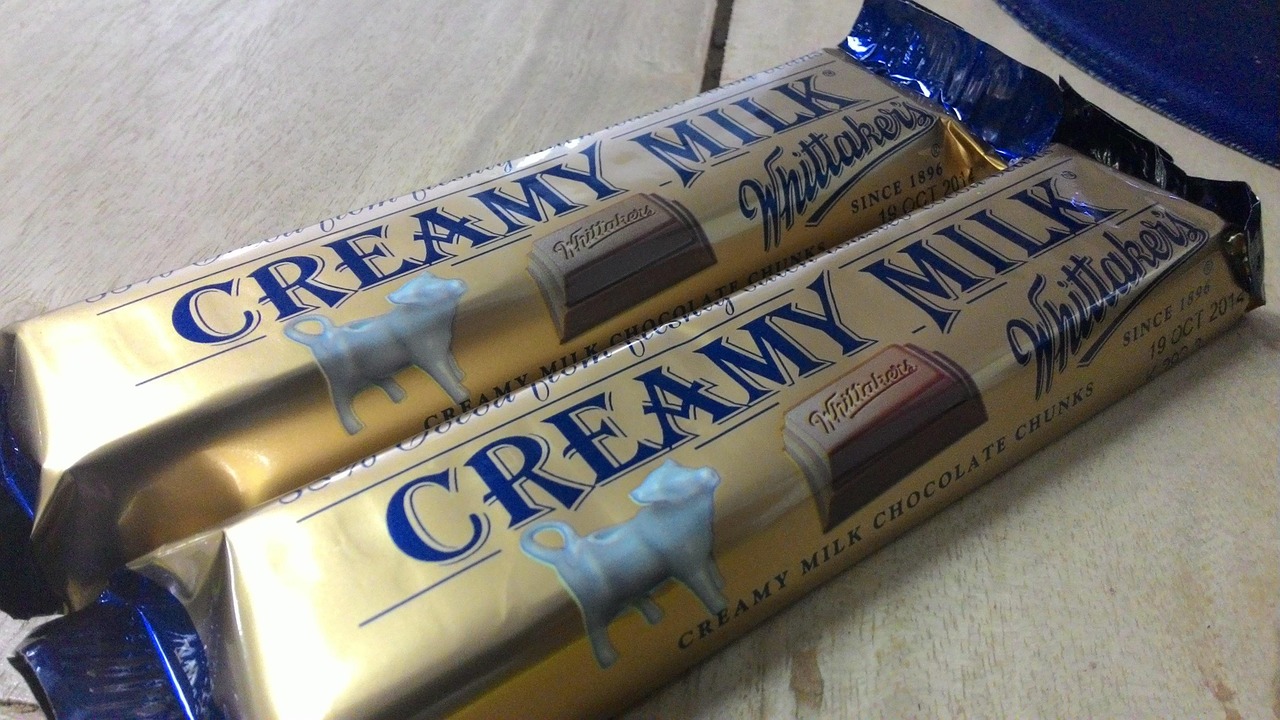
| Aluminum foil | Strong light, oxygen and aroma barrier; useful for heat retention | Can crease, may be energy-intensive to produce and often needs clean collection for recycling | Chocolate, butter portions, hot food wraps, lidding structures |
| Multilayer laminates | High barrier performance and strong print or seal functions | Harder to recycle when layers cannot be separated economically | High-barrier snacks, coffee-style packs, long shelf-life wrapped foods |
| Compostable films or coated papers | Can support composting where certified and collected correctly | Industrial composting access and labeling rules vary by market | Selected food-service wraps, produce bags, event-based packaging programs |
No single material is automatically the most sustainable food wrapper. A heavier recyclable structure may use more material than the product needs. A compostable wrap may still go to landfill if local composting is unavailable. A paper-based wrap may include coatings that affect sorting or pulping. The best choice is usually the lightest structure that safely protects the food, works on the packing line and has a credible disposal route in the intended market.
Food contact safety is separate from general material quality
A wrapper can look clean, premium and natural but still be unsuitable for a specific food-contact use. Food contact safety depends on intended use, material composition, migration potential and conditions such as time, temperature and food type. In the United States, the FDA regulates food contact substances through systems that include food contact notifications, existing food additive regulations and threshold-of-regulation exemptions. For packaging components, FDA information points to areas such as adhesives and coatings, paper and paperboard components, polymers and production aids in the Code of Federal Regulations.
In the European Union, food contact materials are covered by a general framework requiring materials to be safe for their intended use, supported by good manufacturing practice rules and, for certain material types such as plastics, specific legislation. For buyers, a supplier statement should do more than say “food grade.” It should identify the intended food types, temperature conditions, contact duration and applicable market requirements.
Grease-resistant wrappers deserve close review. Historically, some paper and paperboard food packaging used PFAS-containing substances for oil and water resistance. The FDA’s February 28, 2024 announcement described the end of U.S. sales for certain PFAS-containing food contact substances used as grease-proofing agents in paper and paperboard packaging. That does not mean every PFAS concern in the environment has disappeared, and it does not replace due diligence on imported goods, coatings or legacy inventories. It does mean brands and converters should ask specific questions about grease-proofing chemistry rather than relying on broad claims.
Recyclable and compostable claims need local proof
End-of-life language is one of the easiest areas to overstate. A wrapper may be technically recyclable as a material but not accepted in curbside programs because it is too small, contaminated with food, laminated with other materials or sorted incorrectly. A compostable plastic may meet a standard for industrial composting but still be unsuitable for home composting or unavailable in the consumer’s area.
ASTM D6400 is widely referenced for plastics designed to be aerobically composted in municipal or industrial composting facilities. The important phrase is “municipal or industrial.” Certification to a compostability standard should be paired with a collection route, clear labeling and an understanding of whether the receiving compost facility accepts that format. For food wrappers, grease and food residue can sometimes make composting more plausible than recycling, but only where composting infrastructure exists.
The EU Packaging and Packaging Waste Regulation adds another reason to be careful with claims. The regulation entered into force in 2025 and generally applies from August 12, 2026. It is designed to reduce packaging waste, improve recyclability and address substances of concern, including PFAS restrictions for food-contact packaging above defined thresholds. For companies selling into the EU, wrapper design is no longer only a purchasing preference; it is part of a broader regulatory shift toward packaging minimization, recyclability and chemical transparency.
For editorial and purchasing teams, the safest language is specific language. Instead of calling a wrapper “eco-friendly,” describe whether it is paper-based, mono-material, recyclable where facilities exist, industrially compostable where accepted, or designed to reduce material weight compared with a previous structure. Specific claims are easier to verify and less likely to mislead buyers or consumers. See also: Eco Packaging.
Performance factors that buyers often overlook
Many wrapper failures are not caused by the headline material. They come from details: coating weight, ink placement, seal temperature, roll tension, paper stiffness, freezer brittleness or interaction with sauces and oils. Before approving a food wrapper, teams should test it under realistic conditions rather than relying only on clean laboratory assumptions.
Grease, sauce and moisture resistance
Oil and water behave differently. A wrapper that resists water may still show grease staining, and a grease-resistant wrap may not control water vapor. Fast-food wraps, bakery sheets and snack wraps often need a balance of breathability and barrier performance. Too much barrier can trap steam and soften crisp foods; too little barrier can cause staining, leaking and poor handling.
Heat and cold tolerance
Hot-fill or hot-hold foods can soften some coatings and films. Frozen foods can make materials stiff or brittle. Microwave use adds another layer of risk because not every food-contact wrapper is suitable for heating. Intended heating or reheating instructions should be part of the material approval process, not added after the package is printed.
Printing, inks and consumer handling
Wrappers often carry brand graphics, nutrition cues or preparation instructions. Printing must be managed so inks and coatings remain appropriate for the contact conditions. On small wrappers, design also affects usability. A good-looking wrap that hides opening instructions, smears with condensation or transfers ink during handling can damage the consumer experience.
A practical selection checklist
A structured checklist helps compare food wrapper options without turning the decision into a purely price-driven purchase. The following sequence is useful for food service, retail and contract-packed products.
- Define the food profile. Record moisture, fat, acidity, aroma sensitivity, temperature and expected contact time.
- Define the handling route. Include packing speed, manual or automatic wrapping, shipping, storage, display and consumer use.
- Ask for food-contact documentation. Match the documentation to the country or region of sale and to the actual use conditions.
- Test with the real food. Check staining, leakage, odor transfer, sticking, tearing, seal integrity and texture change.
- Review end-of-life reality. Confirm whether the wrapper is accepted for recycling or composting in the target market, not just in theory.
- Check claim language. Avoid broad environmental claims unless they are supported by material data, standards and available infrastructure.
- Document changes. If a coating, ink, adhesive or supplier changes, repeat the relevant safety and performance checks.
This process gives teams a clearer basis for choosing between paper, plastic film, foil, coated paper or compostable structures. It also reduces the risk of switching to a material that sounds sustainable but performs worse, increases food waste or creates a new compliance issue.
Frequently asked questions
Is paper always better than plastic for a food wrapper?
No. Paper can be a good choice for dry or lightly greasy foods and may offer a familiar look and feel. However, paper often needs coatings or treatments for grease and moisture resistance. Plastic film can provide strong moisture control and sealability with low material weight. The better option depends on food protection, contact safety, material weight and the real disposal route.
What does food grade mean for wrappers?
“Food grade” is a broad phrase. A more useful statement is that the wrapper is suitable for a defined food-contact application under specified conditions, such as temperature, contact time and food type. Buyers should ask for documentation that matches the market where the product will be sold.
Can a grease-resistant food wrapper be PFAS-free?
Yes, grease resistance can be achieved through different chemistries and structures. However, “PFAS-free” should be supported by supplier documentation and, where needed, testing. It should not be assumed from the appearance of paper or from a general sustainability claim.
Are compostable food wrappers accepted everywhere?
No. Compostable packaging depends on certification, correct labeling, consumer sorting and access to composting facilities that accept the material. Some compostable wrappers are designed for industrial composting rather than home composting. Local infrastructure is part of the packaging decision.
What is the simplest way to reduce food wrapper risk?
Start with the actual food and use conditions, then verify food-contact suitability, barrier performance and end-of-life claims before purchase. A wrapper that protects the food, avoids unsupported claims and matches local collection systems is usually a safer choice than one selected only by material name.