Eco craft packaging needs proof, not just a paper look
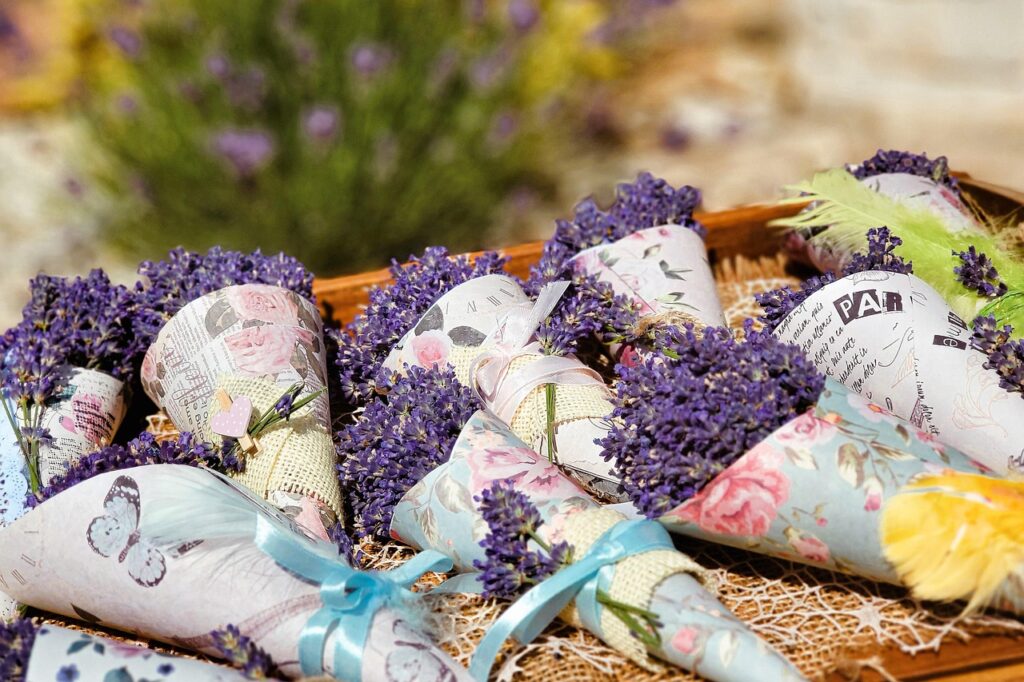
Eco craft packaging usually refers to paper-based packaging with a natural, handmade, or lower-impact presentation. It often includes kraft paper, cartons, sleeves, mailers, labels, wraps, and molded fiber. The sustainable value, however, is not created by a brown paper surface. It depends on the fiber source, recycled content, coatings, inks, adhesives, pack weight, protection performance, and the realistic end-of-life route after use.
For brands, converters, and packaging buyers, the key question is no longer whether a pack looks eco-friendly. It is whether the pack can be verified, sorted, recycled, composted, reused, or explained clearly without misleading customers. For more packaging trend coverage, see the Eco Packaging section.
What eco craft packaging means in practical terms
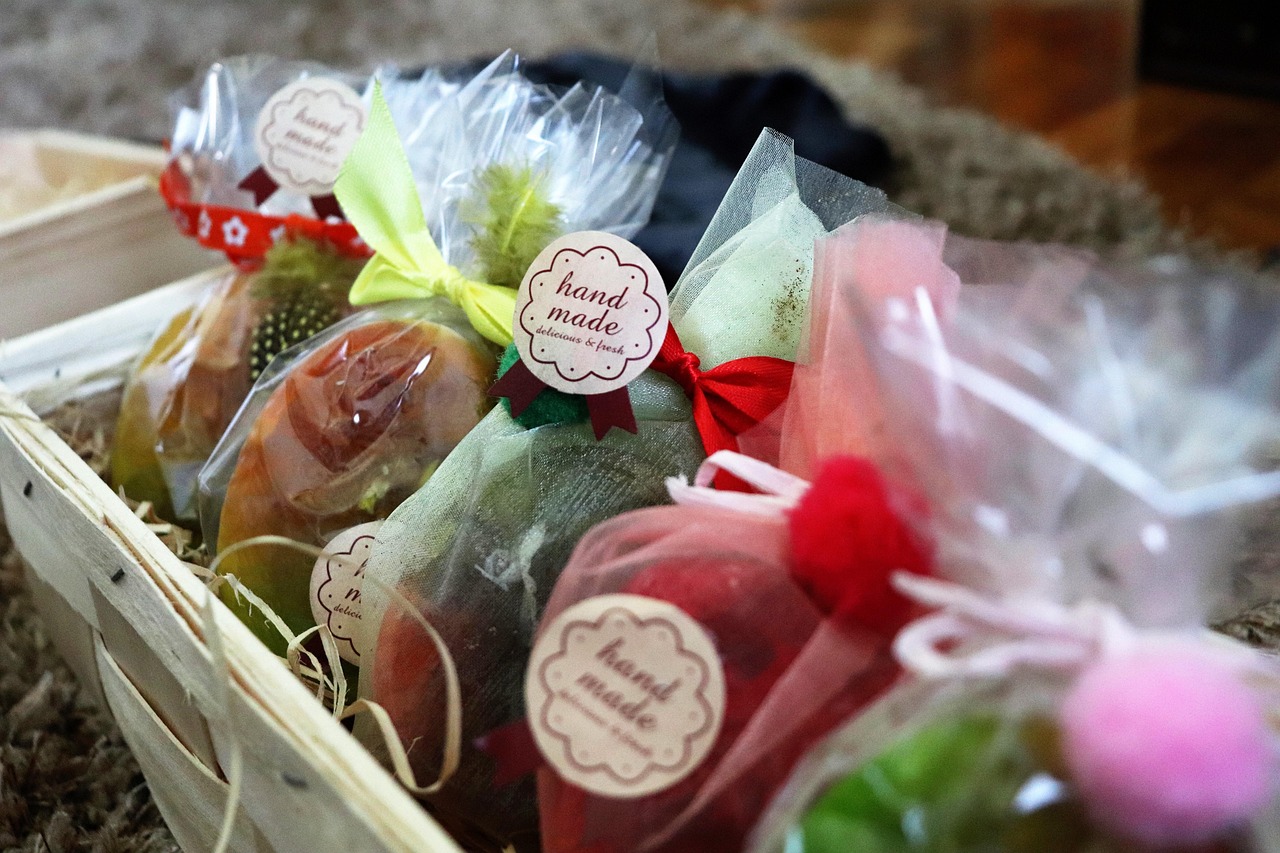
The phrase eco craft packaging is used in several ways. In consumer retail, it may describe packaging for handmade goods, boutique food, cosmetics, candles, apparel, stationery, and gifts. In material discussions, it often overlaps with kraft paper packaging, molded fiber, recycled paperboard, paper tape, glassine, paper mailers, and simple mono-material cartons.
That overlap can cause confusion. “Craft” describes a style, market position, or handmade cue. “Kraft” describes a paper-making process and the familiar brown paper appearance associated with it. A kraft look can support an eco-oriented brand message, but it does not prove recycled content, responsible forestry, recyclability, compostability, or lower environmental impact.
A more practical definition is this: eco craft packaging is packaging designed to protect a product while reducing unnecessary material, using fiber or other lower-impact inputs where appropriate, and supporting a credible end-of-life route. This keeps the focus on measurable design choices rather than surface appearance.
Why the paper look is not enough
Paper and paperboard have clear sustainability advantages in many applications, especially when the pack can be collected and recycled. Industry data from the American Forest & Paper Association reported a 2024 U.S. paper recycling rate of 60% to 64% and a cardboard recycling rate of 69% to 74%. Those figures help explain why paper-based packaging remains attractive to brands looking for established recovery infrastructure.
Recovery is not uniform across all paper formats. U.S. EPA data for 2018 showed very different recycling outcomes within paper packaging: corrugated boxes had a much higher recycling rate than paper containers and packaging excluding corrugated boxes. The point for eco craft packaging is simple: “paper-based” is not one end-of-life category. A clean corrugated shipper, a food-soiled paper tray, a wax-coated wrap, and a laminated pouch do not behave the same way in recycling systems.
Coatings and barriers are often the deciding factor. Paper may need grease resistance, moisture resistance, heat sealing, oxygen protection, or scuff resistance. These functions can be necessary for product safety and shelf life, but they may also make repulping harder if the coating, adhesive, window film, or laminate does not separate well from the fiber. A good eco craft packaging brief should therefore ask two questions together: what performance does the product require, and what will the recovery system accept?
A material comparison for common eco craft formats
No single material is right for every product. The better approach is to choose the simplest material structure that can protect the item, meet regulatory requirements, and match the most realistic end-of-life route in the target market.
| Packaging format | Typical advantage | Main limitation to check | Best use case |
|---|---|---|---|
| Uncoated kraft paper wrap or sleeve | Simple fiber structure and natural appearance | May lack moisture, grease, or tear resistance | Dry goods, gifts, stationery, apparel, secondary packaging |
| Recycled paperboard carton | Can reduce demand for virgin fiber and communicate recycled content clearly | Needs verified recycled content claims and suitable strength | Cosmetics, small consumer goods, boxed accessories |
| Corrugated mailer | Strong recycling infrastructure and good protection-to-weight ratio | Oversized boxes increase void fill and transport inefficiency | E-commerce shipping, subscription boxes, fragile retail goods |
| Molded fiber insert | Can replace some plastic cushioning in dry applications | Surface finish, moisture resistance, and dimensional tolerance may vary | Electronics accessories, glassware, cosmetics, protective trays |
| Paper with barrier coating | Improves grease, moisture, or heat-seal performance | Recyclability or compostability depends on coating chemistry and testing | Foodservice, bakery, frozen or chilled products when suitable |
| Glassine or translucent paper | Offers a paper-based alternative to some plastic display windows | Not always accepted the same way in every local paper stream | Dry food wraps, envelope windows, lightweight retail presentation |
This comparison shows why eco craft packaging should be treated as a design system, not a material label. A minimal, recyclable carton can be a stronger option than a multi-layer pack with a greener visual style. At the same time, a higher-barrier structure may be justified if it prevents product damage or food waste. Sustainability decisions should consider the full packaging function, not only the substrate.
Claims must match evidence and local recovery
Environmental claims are becoming more important and more exposed to scrutiny. In the United States, the Federal Trade Commission’s Green Guides remain a major reference for recyclable, compostable, recycled-content, degradable, and renewable-material claims. The guides say recyclable claims should be qualified when appropriate recycling facilities are not available to at least 60% of consumers or communities where the product is sold. They also require competent and reliable evidence for compostable claims.
For eco craft packaging, broad statements such as “green,” “earth friendly,” “sustainable,” or “biodegradable” are weaker than specific, verifiable claims. A better claim says what is true and what the user should do. “Box made with 80% recycled paperboard” is clearer than “eco box.” “Recycle clean and dry where paperboard is accepted” is more useful than a recycling icon with no instructions.
Compostability needs particular care. North American certification programs such as BPI use ASTM standards as the basis for commercial compostability assessment, including ASTM D6400 for plastics and additional standards for coated or fiber-based items where applicable. That does not mean every paper package is compostable, and it does not mean home composting is available. If a foodservice wrapper, coated cup, label, or adhesive is marketed as compostable, the claim should be backed by testing and should tell users whether industrial composting facilities are required.
Forest sourcing labels also need accurate interpretation. FSC Mix, FSC Recycled, and similar chain-of-custody labels do not all mean the same thing. FSC Recycled indicates verified recycled wood or paper content, while FSC Mix may combine certified virgin fiber, controlled fiber, and recycled materials. Packaging teams should not treat all certification marks as interchangeable.
Regulation is pushing packaging from intention to documentation
Regulation is one reason eco craft packaging is becoming more evidence-based. In the European Union, Regulation (EU) 2025/40 on packaging and packaging waste applies from August 12, 2026. The regulation requires all packaging placed on the EU market to be recyclable and sets a path toward design-for-recycling grades, harmonised labelling, packaging minimisation, and recycled-content requirements for plastic packaging. It also includes restrictions affecting certain PFAS levels in food-contact packaging from the application date, subject to the regulation’s detailed conditions. See also: Food Packaging.
In the United States, packaging responsibility is developing at state level. California’s SB 54 created an extended producer responsibility framework for packaging and single-use plastic food service ware, and permanent regulations became effective on May 1, 2026. For brands selling across multiple regions, the practical impact is that material weights, covered material categories, recyclability determinations, compostability evidence, and producer reporting may become part of routine packaging management.
This does not mean every small brand needs a complex compliance department. It does mean packaging choices should be documented. A buyer should know the basis weight, recycled-content percentage, coating type, ink system, adhesive, certification status, supplier declaration, and disposal claim. Without that information, a package may look responsible but fail when a retailer, marketplace, regulator, or customer asks for proof.
A practical checklist for better eco craft packaging
The most useful eco craft packaging decisions start with product requirements, not a catalog image. The following checklist can help teams compare options without overclaiming:
- Start with protection. A package that causes breakage, returns, leakage, or food spoilage may increase total impact even if the material looks sustainable.
- Reduce unnecessary volume. Right-size cartons, mailers, inserts, and void fill before changing materials. Less empty space can reduce shipping inefficiency and material use.
- Prefer mono-material structures when possible. Simple paperboard, corrugated, or molded fiber designs are generally easier to evaluate than multi-layer combinations.
- Question every coating. Ask whether grease, moisture, oxygen, or heat-seal performance is truly needed. If it is, request recyclability or compostability evidence for the coated structure.
- Specify recycled content precisely. State percentages and distinguish post-consumer recycled content from broader recycled inputs where relevant.
- Use credible sourcing information. If virgin fiber is used, request chain-of-custody documentation or supplier declarations rather than relying on a natural color.
- Design for sorting. Avoid decorative features that can confuse recovery, such as excessive foil, glitter, dark coatings, oversized labels, mixed-material windows, or hard-to-remove plastic components.
- Write disposal instructions for the market. Recycling and composting access differ by region. Claims should reflect where the product is actually sold.
- Keep claim files. Store test reports, specifications, certificates, supplier letters, and artwork approvals so claims can be reviewed later.
For small brands, the biggest gains often come from simplification: fewer layers, fewer mixed materials, clearer labels, and more disciplined sizing. For larger brands, the opportunity is to connect packaging design with supplier qualification, data systems, and regional compliance planning.
Limits and trade-offs to avoid greenwashing
Eco craft packaging can still create environmental problems if it is overdesigned, hard to recycle, shipped with excessive void fill, or marketed with vague claims. A thick paper mailer is not automatically better than a lighter alternative if it uses more material than needed. A compostable coating is not useful if customers have no practical access to composting. A recyclable pack may fail in practice if food contamination, plastic windows, metallic decoration, or adhesives interfere with recovery.
The strongest packaging strategy is honest about trade-offs. Paper can be renewable and widely recycled in many formats, but it still requires fiber, water, energy, transport, and processing. Recycled content can lower demand for virgin material, but it must still meet strength and food-contact requirements. Minimal packaging can reduce material, but it cannot compromise product safety. These realities do not weaken eco craft packaging; they make it more credible.
For industry readers, the main shift is clear: the market is moving from eco styling to evidence-led packaging. The stronger designs will combine the tactile appeal of craft presentation with documented material choices, realistic recovery routes, and claims that can withstand review.
Frequently asked questions
Is kraft paper always eco-friendly?
No. Kraft paper can be a good packaging material, especially when it is right-sized, responsibly sourced, and recyclable in the intended market. But the brown color alone does not prove recycled content, low impact, or recyclability. Coatings, inks, adhesives, and contamination can change the end-of-life outcome.
What is the difference between recyclable and compostable craft packaging?
Recyclable packaging is designed to be collected, sorted, and reprocessed into new material through recycling systems. Compostable packaging is designed to break down under composting conditions and should be supported by suitable testing or certification. A package should not be marketed as compostable simply because it is paper-based.
Can eco craft packaging use plastic?
Sometimes, yes. A small plastic window, liner, or coating may be used for visibility, moisture resistance, or sealing. The question is whether that plastic is necessary and whether it affects recyclability, compostability, or disposal instructions. In many cases, simplifying or replacing mixed-material features improves the quality of the claim.
What should buyers ask suppliers before approving packaging?
Buyers should request a full material specification, recycled-content information, coating details, ink and adhesive details, certification documents if claims are made, test evidence for recyclability or compostability, and guidance on disposal wording. Supplier claims should be specific enough to support packaging artwork and retailer requirements.
What is the safest environmental claim for eco craft packaging?
The safest claim is specific, measurable, and limited to what can be proven. A percentage-based recycled-content claim or a qualified recycling instruction is stronger than a broad claim such as “green packaging.” Clear claims build trust and reduce the risk of misleading customers.