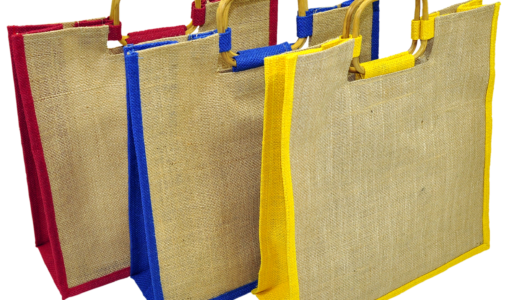
Eco bag packaging materials compared for recyclability, reuse, and credible claims

What eco bag packaging should mean in practice
In practice, eco bag packaging is a design and recovery decision, not simply a swap to a greener-looking material. A bag made from paper, recycled plastic, cotton, nonwoven polypropylene, biobased resin, or compostable film can still perform poorly if it is overbuilt, rarely reused, poorly labeled, or sent to the wrong waste stream. For brands and retailers, the working question is not “Which bag sounds eco-friendly?” It is “Which bag uses the least necessary material, protects the product, can be reused or recovered in the market where it is sold, and can be claimed accurately?”
That distinction matters because packaging rules and environmental marketing standards are moving toward evidence. The U.S. Federal Trade Commission’s Green Guides emphasize that recyclable, compostable, recycled-content, and general environmental claims need clear support. The European Commission’s Packaging and Packaging Waste Regulation entered into force on February 11, 2025 and generally applies from August 12, 2026, with requirements affecting recyclability, labeling, reuse, recycled content, and substances of concern. In California, revised bag rules also show how quickly a familiar checkout bag format can become restricted when reuse or recyclability does not work as expected.
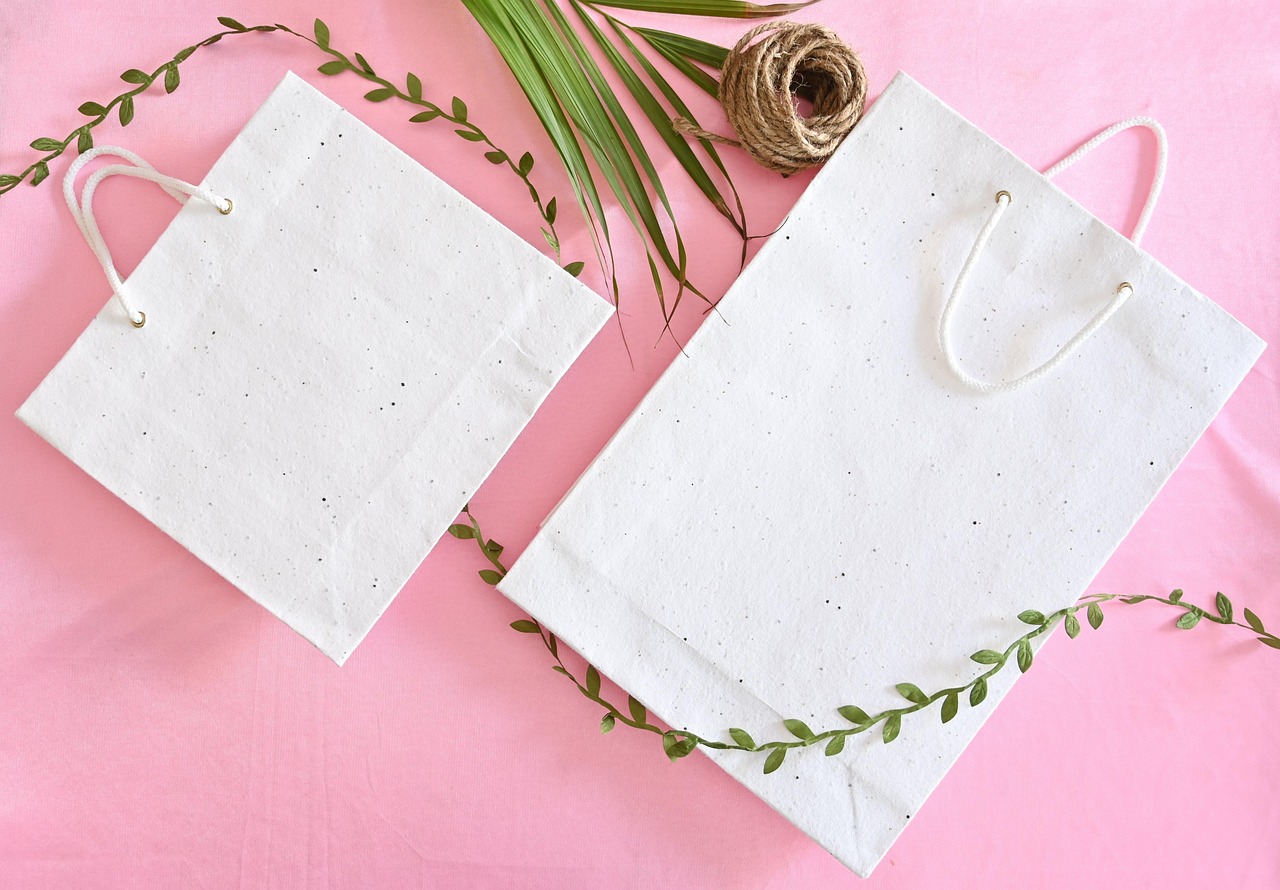
For more packaging updates and category coverage, see the Eco Packaging section.
The main material choices for eco bag packaging
Most eco bag packaging decisions start with material, but material alone does not determine environmental value. The same bag can perform very differently depending on weight, fiber source, resin type, coatings, inks, handles, product load, number of uses, and access to local recycling or composting systems.
| Bag type | Common strengths | Main limitations | Best fit |
|---|---|---|---|
| Recycled paper bags | Familiar recycling route, renewable fiber, low litter persistence compared with plastic film | Can be heavier than plastic film, weaker in wet conditions, coatings may affect recyclability | Retail carryout, dry goods, foodservice where paper recovery is available |
| Kraft paper shopping bags | Strong appearance for retail branding, widely understood by consumers | Virgin fiber claims require care; lamination, rope handles, and foil details can complicate recycling | Apparel, gifts, bakery, takeaway, lightweight consumer goods |
| Reusable PP nonwoven bags | Durable, lightweight compared with cotton, good for repeated shopping trips | Environmental advantage depends on actual reuse; end-of-life recycling may be limited | Grocery, events, membership retail, planned reuse programs |
| Cotton or canvas bags | Durable, washable, strong consumer acceptance | High production impact means they need many uses to justify the footprint | Long-term reuse, brand merchandise, premium retail where customers keep the bag |
| Recycled PE or PP film bags | Material-efficient, moisture resistant, can use post-consumer or post-industrial recycled content | Film collection is not universally available; thin film can contaminate curbside systems | E-commerce mailers, inner bags, store drop-off compatible programs |
| Compostable film bags | Useful where food scraps or organic contamination make recycling difficult | Needs compatible composting infrastructure; “compostable” should not be treated as a litter claim | Produce, food-waste collection, certain foodservice uses with managed composting |
A useful rule is to separate material identity from system fit. A recycled paper bag may be a sound choice in a market with high paper recovery, but less suitable for wet or heavy products. A reusable polypropylene bag may perform well if shoppers actually reuse it many times, but it can become wasteful if handed out as a disposable promotion. A compostable bag can solve a specific contamination problem, yet create confusion where composters do not accept compostable plastic film.
Reuse is often the deciding factor
Life cycle assessments do not support a simple ranking in which paper, cotton, or bioplastic is always better than conventional plastic. The United Nations Environment Programme’s assessment of single-use plastic bags and alternatives found that the number of uses strongly affects results. In that review, durable polypropylene bags generally needed repeated use before competing with single-use polyethylene bags on climate impact, while cotton bags required substantially more uses because of the resource intensity of cotton production.
This does not mean single-use plastic is the better policy or brand choice. Plastic film performs poorly on litter, marine pollution, and microplastic concerns, and many jurisdictions restrict it for that reason. It does mean that a reusable bag program should be designed around real reuse, not only durability on paper.
How to make reusable bag packaging more credible
- Reduce unnecessary weight. A stronger bag is useful only if the added material supports more real uses.
- Design for everyday behavior. Foldable formats, comfortable handles, and washable surfaces increase the chance that shoppers keep and reuse the bag.
- Avoid one-time promotional distribution. Giving away durable bags in large quantities can undermine the environmental case.
- Use clear care and reuse instructions. A simple message such as “designed for repeated use” is safer than a broad “green bag” claim.
- Plan the end of life. If recycling is limited, avoid overstating recyclability and consider take-back options only if they are actually operated.
For retailers, the strongest approach is often a hierarchy: avoid a bag when possible, encourage customers to bring bags they already own, offer a paid durable option for repeated use, and keep emergency carryout options simple and recoverable.
Recyclable, compostable, biodegradable, and recycled are not the same claim
Many eco bag packaging problems come from claim confusion. “Recyclable,” “recycled,” “compostable,” “biodegradable,” and “biobased” describe different attributes. They should not be used as interchangeable signals of sustainability.
Recyclable
A recyclable claim should reflect real access to appropriate collection and processing. Under the FTC Green Guides, marketers should qualify recyclable claims when recycling facilities are not available to at least 60 percent of the consumers or communities where the product is sold. For bag packaging, this is especially important for plastic film, because many curbside systems do not want flexible film even when store drop-off or specialist collection exists.
Recycled content
Recycled content should be specific. A claim such as “made with 40% post-consumer recycled plastic” is clearer than “eco material.” It should also state whether the percentage applies to the whole bag, the film, the handles, or only a component. Post-consumer recycled content usually carries stronger circularity value than post-industrial scrap, but both should be accurately described.
Compostable
Commercial compostability is a managed end-of-life route, not a promise that a bag will disappear in nature. The U.S. Environmental Protection Agency notes that ASTM D6400 and D6868 outline specifications for plastics labeled commercially compostable, and that there are currently no ASTM standard test methods for evaluating home compostability of plastic. Therefore, a compostable bag should state the intended composting environment and avoid implying that it can be composted everywhere.
Biodegradable and biobased
Biodegradable is one of the riskiest terms when used without context. The FTC cautions against unqualified degradable claims for solid waste products unless the entire item will completely break down and return to nature within a reasonably short period after customary disposal. Biobased also needs care: a plant-derived plastic can be engineered to behave like petroleum-based plastic and may not be biodegradable or compostable.
Regulatory pressure is changing bag design
Eco bag packaging is increasingly shaped by regulation as much as by consumer preference. Two developments are especially relevant for international brands and packaging buyers.
Europe is moving from packaging directives to a regulation
The European Commission states that the Packaging and Packaging Waste Regulation 2025/40 entered into force on February 11, 2025 and generally applies from August 12, 2026. It covers all packaging and packaging waste regardless of material or origin, and sets requirements for manufacturing, composition, reusable or recoverable nature, waste management, and prevention. The Commission’s stated objectives include making all packaging placed on the EU market recyclable in an economically viable way by 2030, increasing recycled plastics use safely, and reducing virgin material use.
For bag packaging, this direction favors simpler material structures, clearer sorting information, lower unnecessary material use, and documentation that shows how the bag can be recovered. It also raises the risk of designs that depend on mixed materials, decorative laminates, or broad green claims without a defined recovery route. See also: Food Packaging.
California shows the risk of weak reuse claims
California’s updated grocery and retail bag requirements are a practical warning. CalRecycle states that, effective January 1, 2026, many covered stores may provide only recycled paper carryout bags for a minimum charge at checkout, self-checkout, pickup, curbside delivery, and home delivery. The agency also notes that earlier reusable grocery bag statutory requirements under SB 270 were repealed, and that SB 1053 created new restrictions on point-of-sale bags. For pre-checkout bags used for loose produce and similar purposes, separate California requirements took effect on January 1, 2025, allowing recycled paper or compostable bags that meet statutory requirements.
The lesson is not that paper is always better. The lesson is that regulators may reject a format when “reusable” or “recyclable” claims do not match actual disposal behavior and recovery infrastructure.
A practical selection framework for buyers
Choosing eco bag packaging is easier when the decision is treated as a checklist rather than a material popularity contest.
- Define the function first. Identify load weight, moisture exposure, food-contact needs, shelf life, print requirements, and whether the bag is primary packaging, carryout packaging, or shipping protection.
- Remove avoidable material. Reduce gauge, gusset size, handles, coatings, inserts, and decorative extras where they do not improve protection or reuse.
- Match the recovery route to the market. Paper recycling, film drop-off, industrial composting, or reuse programs must exist where the bag is sold and discarded.
- Check claim support. Keep certificates, recycled-content documentation, compostability test references, supplier declarations, and local acceptance evidence.
- Design labels for action. Tell users what to do: reuse, recycle with paper, return to store drop-off, or compost only where accepted.
- Avoid claim stacking. A bag does not need to be called recyclable, compostable, biodegradable, carbon neutral, natural, and eco-friendly. The more claims used, the more proof is needed.
- Review regulations by destination market. Rules differ across the EU, U.S. states, municipalities, and retail channels, especially for checkout bags and food-contact packaging.
A simple decision can outperform a complicated one. Uncoated recycled paper with clear recycling instructions may be better than a laminated “premium eco” bag that looks sustainable but is hard to process. A durable reusable bag may be justified for loyalty programs but inappropriate as a giveaway. A compostable liner may be sensible for food scraps but misleading for ordinary dry retail packaging.
How to avoid greenwashing in eco bag packaging
Greenwashing risk usually appears when a claim is broader than the evidence. The safest claims are specific, limited, and connected to user action.
- Use “made with 60% recycled paper” instead of “earth-friendly paper bag.”
- Use “recycle with paper where accepted” instead of “100% recyclable” if coatings, handles, or local access may limit recovery.
- Use “commercially compostable where facilities accept this material” instead of “biodegradable bag.”
- Use “designed for repeated use” only when the bag construction supports repeated use and the distribution model encourages it.
- Avoid “plastic-free” if the bag includes plastic lamination, synthetic adhesive layers, polymer windows, or plastic-coated handles.
Documentation should stay close to the claim. For recycled-content bags, buyers should request recycled-content percentages and whether the material is post-consumer or post-industrial. For compostable bags, they should check the applicable standard, certification scope, thickness, ink system, and whether the target composting facilities accept that format. For reusable bags, they should specify strength, seam quality, cleaning instructions, and intended use count without promising outcomes that depend on consumer behavior.
Frequently asked questions
What is the most eco-friendly bag packaging material?
There is no single most eco-friendly material in every case. The better option depends on product function, bag weight, reuse rate, recycled content, recovery access, litter risk, and local regulation. A bag that is already owned and reused is often preferable to producing a new bag.
Are compostable bags better than recyclable bags?
Compostable bags are useful when they help collect organic waste or when food contamination prevents recycling. They are not automatically better for dry retail or e-commerce packaging, especially if local composting facilities do not accept compostable plastic film.
Can recycled paper bags be called sustainable?
They can be described with specific, supported claims, such as recycled content percentage or curbside recyclability where accepted. A broad “sustainable” claim should be avoided unless it is carefully qualified and supported by evidence.
Is biobased plastic the same as biodegradable plastic?
No. Biobased describes the source of the carbon or feedstock, while biodegradable describes degradation behavior under defined conditions. A biobased plastic may still persist like conventional plastic if it is designed with the same chemical structure.
What should buyers ask suppliers before ordering eco bag packaging?
Buyers should ask for material specifications, recycled-content evidence, compostability or recyclability support, food-contact compliance where relevant, printing and coating details, minimum order assumptions, and market-specific disposal guidance. Claims should be approved only after the evidence matches the destination market.
The bottom line
Eco bag packaging is moving toward evidence-based design. The strongest choices reduce unnecessary material, perform reliably, fit real reuse or recovery systems, and use claims that can be documented. For industry readers tracking packaging materials, regulation, and market shifts, the most durable strategy is to treat every bag as part of a system: production, use, reuse, collection, processing, and communication.