How to plan custom skincare packaging around formula, compliance and sustainability
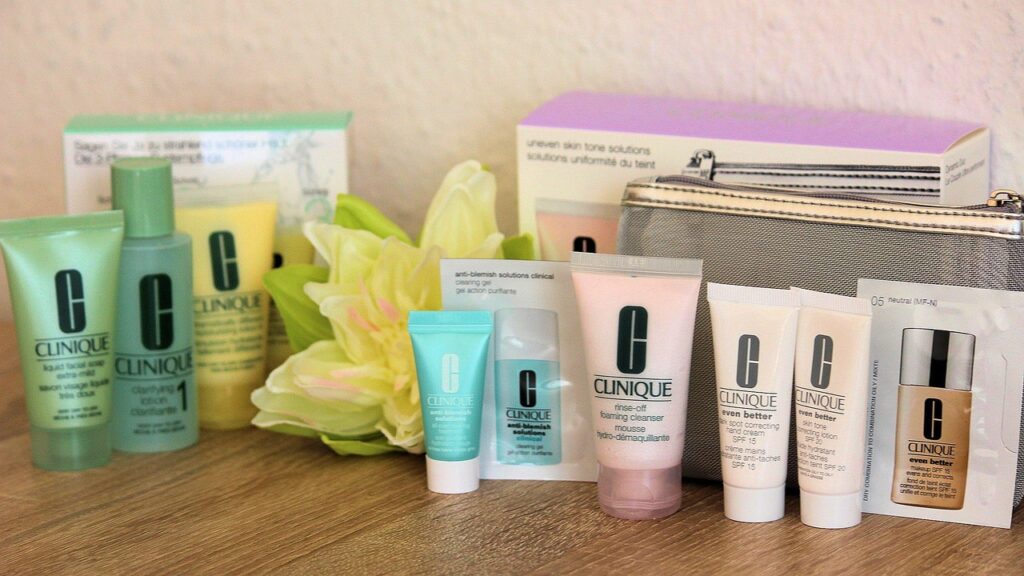
Custom skincare packaging starts with the formula, not the decoration
Custom skincare packaging should be specified first as a product protection system, then as a branding surface. The pack has to protect the formula from air, light, moisture, contamination and user misuse, while still providing enough space for required labeling and supportable claims. A premium appearance can help a skincare product stand out, but packaging that is incompatible with the formula, too small for compliant copy or difficult to recycle can create larger commercial and regulatory problems later. A practical brief starts with four questions: what the formula is sensitive to, how the consumer will dispense it, which markets the product will enter and what evidence supports every claim printed on the pack.
This matters in skincare because formulas may contain water, oils, surfactants, acids, antioxidants, fragrance components, pigments, botanical extracts or active-positioned ingredients. Each can behave differently in plastic, glass, metal, laminated tubes, pumps, gaskets, liners or decorated components. A serum that appears stable in a laboratory jar may not perform the same way in a pump with several contact materials. A cream that works well in a wide-mouth jar may still face contamination risk from repeated finger contact. For more packaging topic coverage, see the custom packaging section.
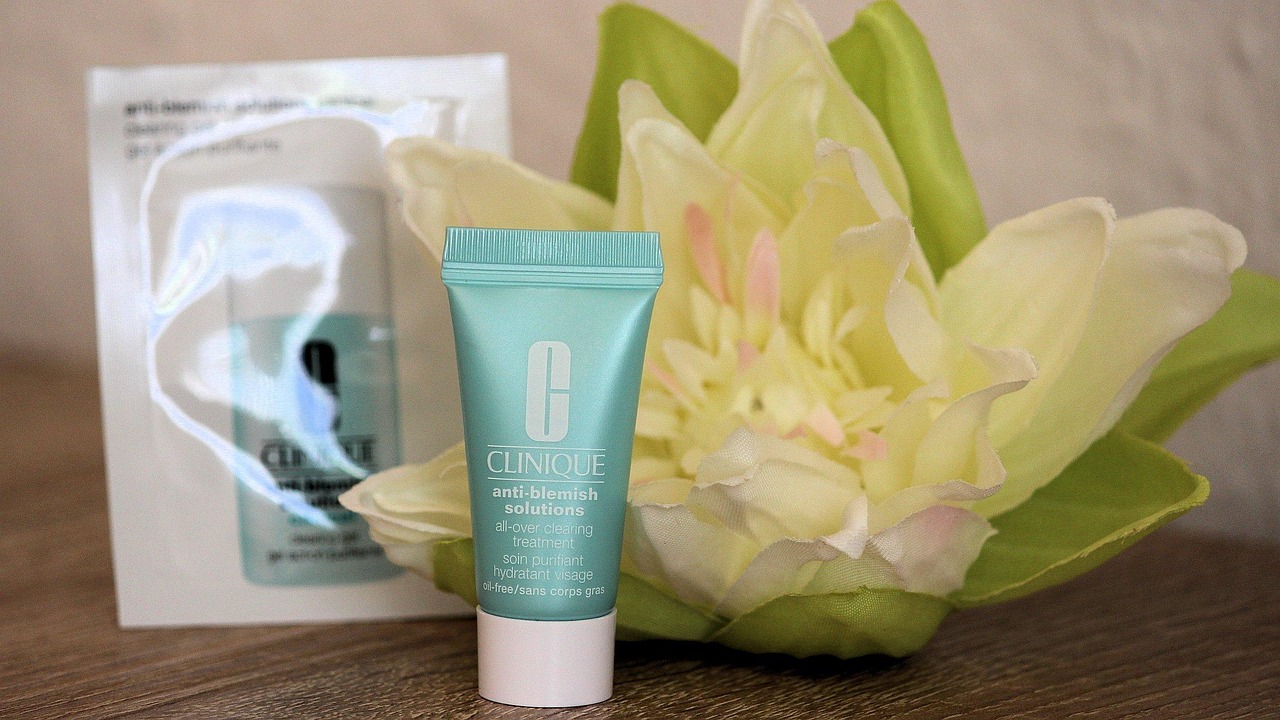
Separate primary, secondary and shipping packaging
Primary packaging is the container or component system that directly contacts the skincare formula. This may include a bottle, jar, tube, sachet, pump, dip tube, gasket, liner, closure or wiper. Secondary packaging is the carton, sleeve, insert or outer box used for information, brand presentation or added protection. Shipping packaging protects the product through warehousing and transport.
The distinction is important because each layer carries different risks. Primary packaging has the highest compatibility and contamination exposure. Secondary packaging often carries most of the brand story, retail visibility and regulatory copy. Shipping packaging affects damage rates, logistics cost and sustainability performance, but usually does not contact the product. A useful brief defines all three layers instead of asking a supplier for a “luxury skincare bottle” without performance requirements.
Build a formula sensitivity map
Before selecting a custom shape, decoration or dispenser, brands should map the formula’s likely sensitivities. Key questions include whether the product is sensitive to oxygen, ultraviolet light, water loss, fragrance loss, pH drift, microbial contamination, metal contact, plasticizer migration or evaporation of volatile ingredients. The answer helps determine whether the pack should be opaque, airless, lined, barrier-coated, tamper-evident, single-dose, squeezable or fitted with a controlled-dose pump.
Match the format to how the product will be used
Packaging format should follow both formula behavior and consumer behavior. A minimal glass jar may look elegant, but it may not suit a thin serum or an oxidation-sensitive formula. A fine pump can feel premium, but it may clog if the formula contains particles, high-viscosity gels or unstable emulsions. A tube can be efficient for daily use, but the material structure, cap seal and decoration still need to be checked against the formula.
| Packaging format | Useful for | Main checks before approval |
|---|---|---|
| Airless pump | Serums, lotions and creams where lower air exposure and controlled dosing are useful | Formula compatibility with all wetted parts, pump output, priming, evacuation rate and clogging risk |
| Dropper bottle | Low-viscosity oils and serums where precise consumer dosing is valued | Light protection, rubber bulb compatibility, leakage, return contamination and child or travel handling |
| Jar | Thicker creams, masks and balms where scooping is expected | Preservation strategy, finger-contact risk, liner seal, water loss and secondary applicator needs |
| Tube | Cleansers, creams, gels and sunscreens where portability and controlled squeeze are important | Layer structure, cap seal, stress cracking, decoration durability and filling temperature |
| Sachet or single-dose pack | Samples, masks, travel formats and products needing limited exposure after opening | Seal integrity, foil or laminate barrier, fill accuracy, tear behavior and disposal messaging |
The table is a planning aid, not a substitute for testing. A package is not just a material name such as PET, glass or PP. It is a complete assembly with decoration, closure, liner, dispenser and processing history. Changing one component can change the risk profile.
Compliance considerations that shape the pack before artwork
Packaging teams sometimes involve regulatory review only after the shape and label area are fixed. That can create avoidable rework. A compliant skincare package needs enough readable space for required information, a label hierarchy that matches the market and version control so the same product is not shipped with outdated claims or instructions.
U.S. labeling and MoCRA implications
For cosmetics distributed in the United States, FDA labeling materials explain that the principal display panel generally needs the product identity and an accurate net quantity statement. Information panels carry details such as the name and place of business, distributor statement where applicable, ingredient declaration and required warnings. These requirements affect package dimensions, label shape, print contrast and whether a carton is needed when the primary container is too small.
The Modernization of Cosmetics Regulation Act of 2022, commonly called MoCRA, also makes packaging records more important. FDA materials describe MoCRA as the most significant expansion of FDA authority over cosmetics since the Federal Food, Drug, and Cosmetic Act was passed in 1938. FDA materials also state that a responsible person must report serious adverse events within 15 business days and include a copy of the label on or within the retail packaging. In practical packaging planning, this means brands should maintain controlled artwork files, batch coding, label histories and packaging specifications rather than treating labels as purely creative assets.
EU documentation and packaging waste pressure
For products placed on the European Union market, the cosmetic safety file also brings packaging into the evidence set. EU cosmetics rules require the Cosmetic Product Safety Report to consider relevant characteristics of packaging material, including purity and stability. In plain terms, the assessor needs enough information to understand whether the pack could affect the finished product’s safety.
Packaging waste rules add another layer. The EU Packaging and Packaging Waste Regulation entered into force on February 11, 2025. European Commission materials describe measures including mandatory recyclability by 2030, minimum recycled content in plastic packaging and reduction measures against excessive packaging. Not every provision applies to every skincare format in the same way, and legal review is still needed for specific products and markets. However, the direction is clear: oversized, hard-to-sort and weakly justified packaging will face greater scrutiny.
Sustainability claims need evidence, not just better materials
Many skincare brands want packaging that looks responsible, such as recycled paper cartons, mono-material tubes, refillable jars, lighter bottles or post-consumer recycled plastic. These can be useful directions, but sustainability claims should be written only after the evidence is clear. In the United States, the FTC Green Guides warn that environmental marketing claims need competent and reliable support. They also state that recyclable claims should be qualified when recycling facilities are not available to at least 60 percent of consumers or communities where the product is sold.
That threshold matters because skincare packaging often uses mixed materials: pumps with springs, metallized collars, decorated caps, multilayer tubes, mirrors, droppers, elastomers and small-format containers. A bottle body may be recyclable in theory while the full pack is unlikely to be accepted in local programs. A carton may contain recycled content, but the claim should specify the percentage if only part of the material is recycled. A refillable claim should be connected to a real refill system, not simply to a durable-looking jar. See also: Food Packaging.
A stronger packaging brief uses measurable language. Instead of “eco-friendly,” consider evidence-based wording such as “carton made with 30 percent post-consumer recycled fiber,” “reduced bottle weight compared with the previous 50 ml pack,” or “refill pouch available for this jar format.” The final wording still needs market-specific legal review, but precise claims are easier to substantiate and less likely to mislead.
What to ask suppliers before approving components
Supplier discussions should go beyond catalog appearance. A high-quality render does not show whether the component can be filled at the required temperature, whether the pump spring contacts the formula, whether the coating resists the formula’s oils, or whether the carton board can support the required print quality and scuff resistance.
- Material identity: Ask for the material of each product-contact part, not only the bottle body.
- Technical drawings: Confirm neck finish, closure fit, wall thickness, gasket design, dip tube length, pump output and tolerances.
- Compatibility history: Ask whether similar formulas have been filled in the same system, while remembering that supplier experience does not replace your own testing.
- Decoration limits: Check whether hot stamping, coating, metallization, silk screen printing or labels can survive filling, transit, bathroom humidity and consumer handling.
- Regulatory support: Request available declarations, material specifications and information needed by the safety assessor or responsible person.
- Quality controls: Define acceptable defects, leak testing, torque testing, drop testing, carton compression needs and batch traceability.
- Change notification: Require notice before changes to resin, colorant, liner, gasket, pump part, decoration process or production site.
The last point is often overlooked. Custom skincare packaging is commonly ordered months before launch, and a silent component change can undermine earlier assumptions. A practical purchasing agreement should specify which changes require written approval before shipment.
A practical workflow for custom skincare packaging projects
A disciplined workflow reduces late changes and gives design, regulatory and operations teams a better chance of approving the same pack. The following sequence works for many skincare launches:
- Define the product and market: Confirm formula type, fill volume, target markets, claims, retail channel and expected shelf life.
- Map formula risks: Identify sensitivity to air, light, water loss, contamination, pH movement, fragrance loss, separation or dispenser clogging.
- Shortlist formats: Compare jar, tube, bottle, pump, dropper, sachet or refill system against the risk map and user behavior.
- Check label space early: Make sure required copy, warnings, ingredients, batch code, country of origin and language needs fit before tooling decisions.
- Request component evidence: Gather drawings, material data, samples, declarations, quality standards and decoration limits.
- Test the full assembly: Evaluate the commercial formula in the intended pack, including dispenser, closure, liner, decoration and storage conditions.
- Freeze specifications: Approve artwork, color standards, component drawings, acceptable quality limits and change-control rules.
- Review claims before launch: Confirm that recyclability, recycled content, refill, biodegradability or source-reduction statements are substantiated and qualified where needed.
This workflow treats packaging as a linked set of decisions. Visual design is still important, but it should follow a clear view of formula risk, compliance space and claim support. That helps prevent the common problem of choosing a striking custom container first, then discovering that it cannot support the formula, the label or the sustainability story.
Frequently asked questions
What is the most important factor in custom skincare packaging?
The most important factor is compatibility between the formula and the complete package system. Brand appearance matters, but a pack must first protect the formula, dispense correctly, remain stable through storage and provide enough room for required information.
Is airless packaging always better for skincare?
No. Airless packaging can reduce air exposure and support controlled dispensing, but it is not automatically the best choice for every product. High-viscosity formulas, particles, certain oils or incompatible pump materials can create performance issues. The final commercial assembly should be tested.
Can a skincare brand call its packaging recyclable?
Only when the claim is supportable in the selling market. FTC guidance in the United States says recyclable claims should be qualified when appropriate recycling facilities are not available to at least 60 percent of consumers or communities where the product is sold. Small components, pumps, mixed materials and decoration can affect the claim.
Why does label space matter so early?
Label space affects compliance, readability and artwork control. Required identity, net quantity, business information, ingredients, warnings, batch codes and multilingual copy can exceed the usable area on small jars, droppers or curved bottles. If the pack is too small, a carton, leaflet or different container may be needed.
When should packaging testing begin?
Testing should begin before artwork, tooling and large component orders are locked. The test should use the intended formula and the intended commercial package system, not only a generic container. Early testing gives the project time to adjust the material, dispenser, closure, label or secondary packaging before launch pressure increases.