How Box Custom Packaging Is Driving Innovation in Maine’s Manufacturing Growth

Made in Maine: At Biddeford Packaging Company, Boxes Are Booming
Maine’s manufacturing scene has found a surprising growth engine in box custom packaging. What once served as a simple container now acts as a business strategy, blending design, technology, and sustainability. From Biddeford to Bangor, packaging firms are reshaping how products move and how brands present themselves. The result is not just more boxes but smarter ones—built for efficiency, aesthetics, and environmental responsibility.
The Role of Custom Packaging in Maine’s Manufacturing Expansion
Maine’s industrial base has long relied on paper and wood products. In recent years, the focus has shifted toward higher-value manufacturing where packaging plays a defining role.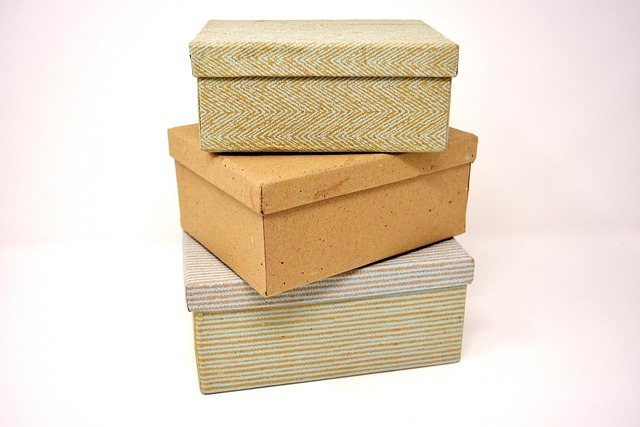
The Emergence of Box Custom Packaging as a Growth Driver
Custom packaging has grown from being a necessity into a differentiator that influences purchasing decisions. Manufacturers now treat packaging design as part of their brand identity rather than an afterthought. In Maine, this shift aligns with the state’s push for innovation-led manufacturing. Local firms invest in new materials and automated systems that allow faster production without sacrificing quality. For instance, Biddeford-based operations have integrated modular machinery to handle diverse product lines efficiently.
Economic Impact on Maine’s Industrial Ecosystem
The rising demand for box custom packaging triggers ripple effects across supply chains—from raw material suppliers to logistics providers. It supports job creation in technical fields such as automation engineering and graphic design. Smaller workshops collaborate with larger manufacturers to deliver specialized packaging components, creating a resilient network that spreads economic benefits throughout the region. This interdependence strengthens Maine’s position as a hub for advanced manufacturing rather than just traditional production.
Innovation Trends in Box Custom Packaging
Innovation defines the next chapter of Maine’s manufacturing evolution. Companies are exploring sustainable materials and digital tools that reduce waste while improving customization.
Material Science and Sustainable Design Advancements
Sustainability drives much of today’s packaging research. Recycled cardboard, biodegradable polymers, and plant-based coatings are replacing petroleum-derived plastics. Lightweight designs cut shipping costs and carbon emissions simultaneously—a practical win for both manufacturers and customers. Many Maine producers source renewable materials locally to align with state environmental goals. This approach not only reduces ecological impact but also appeals to eco-conscious consumers who prefer transparent supply chains.
Digital Printing and Smart Packaging Technologies
Digital printing allows short-run customization at speeds unthinkable a decade ago. Businesses can test new branding concepts or limited editions without committing to large inventories. Meanwhile, smart packaging adds functionality through QR codes or embedded sensors that track temperature or location during transit. These connected systems generate data that help manufacturers monitor quality control and logistics performance in real time.
The Intersection of Design, Functionality, and Brand Identity
In modern markets, design is not decoration—it is communication. The way a box looks and feels can influence customer trust before they even see the product inside.
How Custom Packaging Enhances Product Value Perception
A well-designed box communicates professionalism and care. Structural features such as reinforced corners or easy-open tabs improve usability while protecting contents during shipping. Visual elements like color consistency or embossed logos strengthen brand recall. When these aspects align with marketing messages—say, minimalist designs for eco-friendly brands—the result is deeper customer loyalty built through tactile experience.
Collaboration Between Designers and Manufacturers
The most successful projects come from collaboration between creative teams and production engineers. Designers propose concepts; engineers refine them for manufacturability without losing aesthetic intent. This feedback cycle shortens development time while improving end-product performance. Rapid prototyping tools let teams test variations quickly—an advantage when clients demand agility in competitive markets.
Technological Integration in Maine’s Packaging Facilities
Technology adoption distinguishes today’s leading packaging plants from older facilities still reliant on manual processes.
Automation and Robotics in Box Production Lines
Robotic arms now handle folding, cutting, gluing, and stacking tasks once performed by hand. Automation increases consistency across batches while reducing human fatigue errors common in repetitive work. For small businesses scaling up production, modular robotic units provide flexibility—they can run small custom orders one day and bulk shipments the next without major reconfiguration.
Data Analytics and Process Optimization
Sensors embedded throughout production lines collect data on temperature, pressure, machine speed, and material usage. Analyzing this information reveals inefficiencies invisible to manual inspection. Predictive maintenance systems alert technicians before breakdowns occur, minimizing downtime costs. Artificial intelligence models further refine scheduling so machines operate at peak efficiency throughout shifts.
Sustainability as a Competitive Advantage in Maine’s Manufacturing Sector
Environmental responsibility has moved from compliance requirement to market advantage for Maine manufacturers competing nationally.
Circular Economy Principles in Packaging Production
Circularity means designing out waste from the start. Many facilities now reclaim offcuts or misprints for reuse instead of discarding them. Closed-loop recycling within local supply chains keeps resources circulating inside the state economy rather than exporting them as waste streams elsewhere. Partnerships with regional recycling centers support this model while creating secondary employment opportunities in sorting and processing operations.
Regulatory Compliance and Environmental Certifications
Compliance with state-level environmental laws ensures credibility among partners seeking sustainable suppliers. Certifications like FSC (Forest Stewardship Council) or ISO 14001 validate responsible sourcing practices recognized globally by institutional buyers. Transparent reporting—covering energy consumption or recycled content ratios—helps companies attract environmentally conscious clients who demand measurable impact rather than marketing claims alone.
Future Outlook for Box Custom Packaging in Maine’s Economy
Maine stands at an inflection point where traditional craftsmanship meets digital innovation within its manufacturing base.
Emerging Opportunities for Regional Manufacturers
Opportunities abound across niche sectors such as artisanal food exports or e-commerce fulfillment where brand presentation matters as much as product quality itself. Consumer preference continues shifting toward recyclable or compostable solutions that reflect ethical values; this trend fuels growth among local producers specializing in sustainable box custom packaging formats tailored to specific industries like cosmetics or specialty beverages.
Challenges Shaping the Next Phase of Innovation
Despite progress, challenges persist around balancing cost efficiency with sustainability targets since eco-materials often carry higher procurement prices. Workforce training remains critical—operators must adapt to robotics interfaces and data-driven decision systems unfamiliar to traditional craftspeople. Global supply chain instability also affects raw material availability; fluctuations in pulp prices or transport costs can disrupt even well-planned operations if contingency strategies are lacking.
FAQ
Q1: What makes box custom packaging vital to Maine’s manufacturing growth?
A: It integrates branding with functionality while driving economic activity through supply chain expansion and skilled job creation across multiple sectors.
Q2: How does digital printing change the packaging industry?
A: It enables faster turnaround times for customized designs without high setup costs, supporting agile marketing strategies suited to smaller production runs.
Q3: Why is sustainability central to modern packaging design?
A: Because customers increasingly favor eco-friendly solutions that minimize waste; companies adopting circular economy models gain both environmental credibility and cost savings over time.
Q4: What technologies are most impactful in current box production lines?
A: Robotics automation combined with AI-based analytics improves precision, reduces downtime risk, and scales output efficiently regardless of order size variability.
Q5: Which certifications enhance market access for Maine-based packaging firms?
A: Internationally recognized standards like FSC certification or ISO 14001 environmental management systems validate responsible sourcing practices essential for global trade participation.