Custom foam packaging for safer shipping and smarter material choices
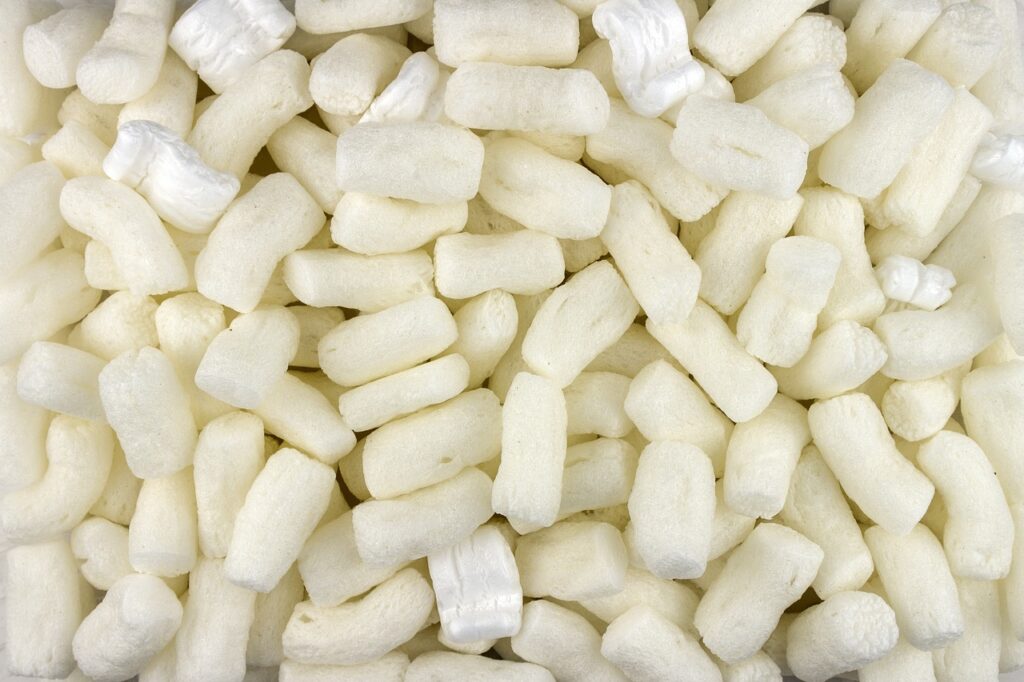
What custom foam packaging is and when it makes sense
Custom foam packaging is protective packaging shaped around a product, rather than a standard void-fill material added after the fact. It can include die-cut inserts, CNC-cut cavities, molded cushions, laminated foam assemblies, foam-lined boxes, tool-control trays, and presentation inserts. In most B2B applications, the goal is practical: ship, store, or present fragile, valuable, irregular, or sensitive products with less movement and more predictable protection.
Foam is not the right answer for every product. It becomes useful when an item has fragile corners, polished surfaces, high replacement cost, strict organization needs, or a distribution route that includes parcel drops, vibration, stacking pressure, or repeated handling. For simple lightweight goods, paper cushioning, molded fiber, corrugated partitions, or air pillows may be enough. For instruments, electronics, medical devices, sample kits, tools, glass, and precision components, a custom foam structure can provide a more controlled fit.
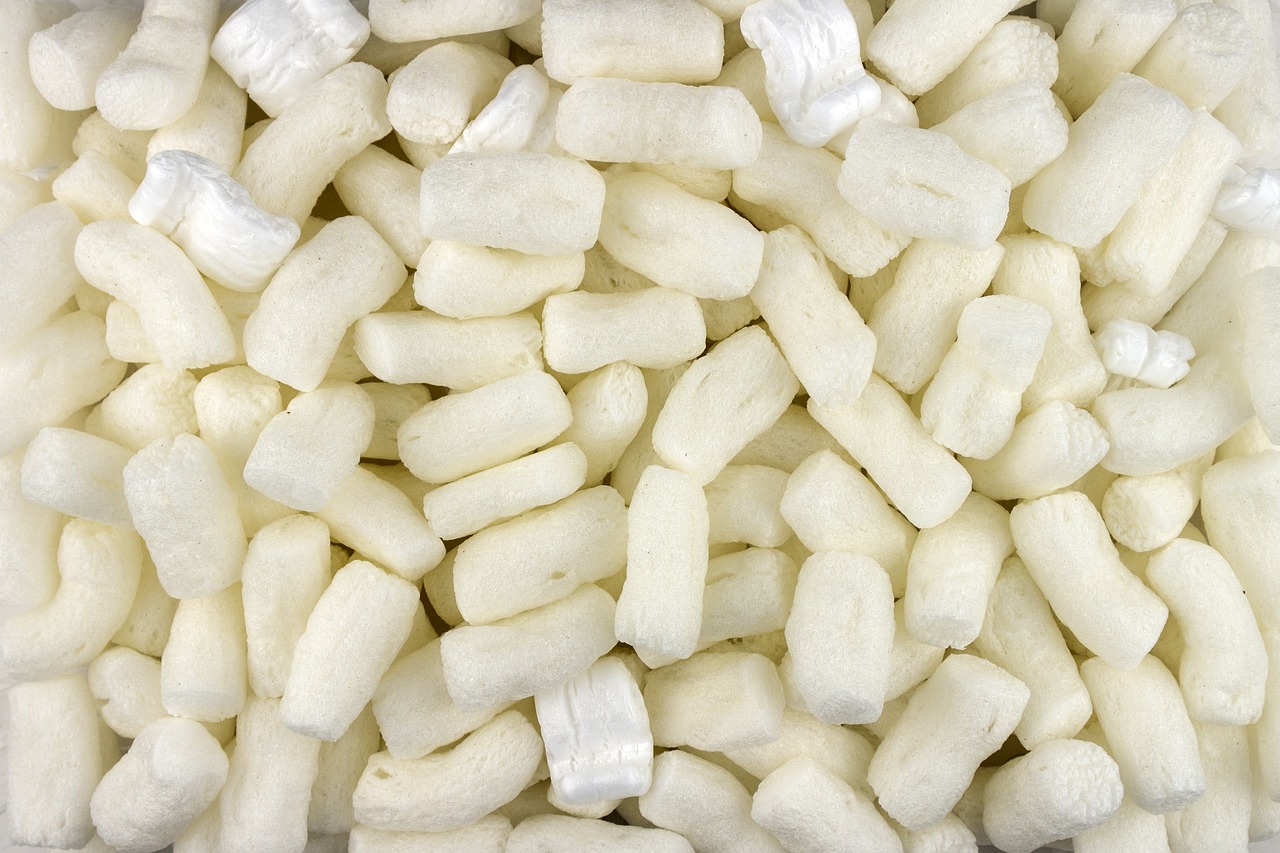
For broader packaging planning, this article sits within the custom packaging topic because foam selection should not be separated from carton strength, labeling, pack-out workflow, storage, testing, and disposal expectations.
Common foam materials and where they fit
The word foam covers several materials with different cushioning behavior, appearance, density ranges, fabrication methods, and recycling realities. A useful specification should name the foam type, density or grade, color, thickness, surface finish, and any lamination, adhesive, or anti-static requirement. Without those details, two samples that look similar may perform differently in transit.
| Foam type | Typical packaging use | Strengths | Limits to check |
|---|---|---|---|
| Expanded polyethylene foam | Reusable inserts, equipment cases, industrial parts, returnable packaging | Good resilience, moisture resistance, clean appearance, useful for repeated handling | Can cost more than simple void fill; thickness and density must match the product weight |
| Expanded polystyrene foam | Appliance protection, insulated shippers, molded corner blocks, lightweight products | Lightweight, moldable, strong compression performance for many applications | Can fracture under repeated impact; recycling access varies by location |
| Polyurethane foam | Delicate instruments, presentation cases, light-to-medium cushioning | Soft feel, flexible, useful for surface protection and complex cavities | May compress over time; not ideal for every heavy-load application |
| Ethylene-vinyl acetate foam | Premium inserts, retail presentation, tool organization, reusable kits | Smooth surface, color options, crisp cut edges, durable handling | Often selected for presentation as much as cushioning; confirm protective performance, not only appearance |
| Anti-static or conductive foam | Electronics, circuit boards, sensors, components sensitive to electrostatic discharge | Helps manage ESD risk when used as part of a controlled packaging system | Must be specified correctly; color alone does not prove ESD performance |
The best material choice depends on product fragility, weight, surface sensitivity, number of shipments, budget, and disposal channel. A display insert for a sales kit has different priorities from a molded cushion for a heavy industrial part. A reusable case insert may justify a higher material cost if it avoids repeated replacement, while a one-way e-commerce shipper may need a lower-volume design that still meets retailer and carrier expectations.
Design decisions that affect real protection
Custom foam packaging works because it controls movement and manages impact energy. A common design mistake is treating foam as soft filler instead of a structural cushion. A cavity that is too tight can transfer shock directly into the product. A cavity that is too loose can allow impact, abrasion, and product rotation. The correct fit depends on product geometry, center of gravity, fragility, and the expected handling environment.
Product mapping before foam selection
A good design starts with a product map. This includes dimensions, weight, high points, fragile edges, controls, screens, coated surfaces, connectors, handles, and areas that should not bear load. If the product includes accessories, the foam layout should also define whether those accessories need isolated cavities, finger notches, cable channels, or labeling positions. For kits, organization can be as important as impact resistance because missing parts create operational failure even when the main product arrives undamaged.
Cushion thickness and load path
Foam thickness should be selected according to expected shock, product weight, and allowable deflection. More foam is not automatically better. Too much soft material may increase box size and shipping cost without improving protection. Too little material may bottom out during impact. Designers also need to consider the load path: under stacking pressure, the product should not become the column carrying the weight of upper cartons unless that load path is intentionally engineered and tested.
Surface protection and cleanliness
Foam can reduce abrasion, but the wrong surface can create dust, marks, or chemical compatibility concerns. Products with optical lenses, painted finishes, polished metal, medical surfaces, or electronics should be checked for scuffing, residue, odor, and particle generation. For clean presentation, die-cut polyethylene or EVA may be preferred. For soft contact, polyurethane may be considered, but compression set and long-term contact behavior should be reviewed.
Testing and documentation before scaling
Custom foam packaging should be validated before large production, especially when the product is expensive, fragile, regulated, or shipped through parcel networks. Two widely referenced sources in transport packaging are ASTM D4169 and ISTA procedures. ASTM D4169 is a standard practice for performance testing of shipping containers and systems using laboratory tests that represent distribution hazards. ISTA guidance emphasizes selecting a procedure based on the actual distribution environment and the desired testing outcome.
Testing does not mean every risk disappears. It means the packaged product has been challenged under defined conditions. The test level, sequence, sample size, product condition, acceptance criteria, and retest rules all matter. A package that passes one procedure for one route may not be validated for a heavier product, a new carton, a different foam density, a changed accessory layout, or a new sales channel.
Before approving production, buyers should ask for a clear packaging specification file. It should include drawings or CAD references, foam type, density or grade, color, thickness, tolerance, adhesive or lamination details, carton dimensions, pack-out instructions, closure method, labeling position, test standard if applicable, and revision history. This documentation helps prevent a common failure point: the first sample performs well, but later production changes the foam, cavity tolerance, carton grade, or packing method without a visible approval step.
Sustainability and compliance pressures are changing the conversation
Foam packaging is under more scrutiny because protective performance must now be weighed against material use, recyclability, waste reduction, and regional packaging rules. The U.S. Environmental Protection Agency’s 2018 municipal solid waste data shows that plastic containers and packaging had a high landfill share, while a smaller portion was combusted with energy recovery. This does not mean every foam insert is automatically unacceptable, but it does mean buyers should be able to justify material selection with product protection, volume efficiency, reuse potential, or reduced damage.
In the European Union, Regulation (EU) 2025/40 on packaging and packaging waste became generally applicable on August 12, 2026. Official European Commission materials describe the regulation as aiming to reduce packaging waste, improve recyclability, and require packaging to be reusable or recoverable, with recycled-content targets for plastic packaging increasing toward 2030 and 2040. Companies shipping into the EU should confirm obligations with qualified compliance advisors because requirements can depend on packaging type, product category, market role, and implementation details. See also: Food Packaging.
For foam packaging, the practical sustainability questions are specific rather than ideological. Can the insert be made smaller without raising damage risk? Can one material replace a multi-material laminated structure? Is the foam reusable in a returnable case or service loop? Can parts be separated from corrugated board or adhesive? Is local recycling available for the selected foam? Does a paper-based alternative pass the same performance test? These questions help teams avoid both overpackaging and under-protection.
A practical checklist for specifying custom foam packaging
A strong request for quotation should do more than ask for a price per insert. It should explain the product, route, performance needs, and approval process. The following checklist can help packaging buyers, sourcing teams, and product managers compare proposals more fairly.
- Product data: Provide dimensions, weight, drawings, photos, fragile zones, surface restrictions, and accessory list.
- Shipping environment: State whether the product ships by parcel, pallet, less-than-truckload, air, ocean, courier, retail distribution, or return loop.
- Protection goal: Define what failure means, such as cracked housing, cosmetic scuff, broken connector, shifted kit component, moisture exposure, or unusable calibration.
- Material preference: Name any required foam type, density range, color, ESD requirement, odor restriction, recycled-content expectation, or reuse target.
- Carton relationship: Confirm carton size, board grade, internal clearance, orientation, closure method, and whether the foam must carry stacking load.
- Presentation needs: Specify visible color, finger pulls, printed labels, layered reveal, accessory order, and whether the insert is part of the unboxing experience.
- Testing plan: Ask which ASTM, ISTA, retailer, carrier, or internal test method is relevant, and define acceptance criteria before testing begins.
- Production controls: Request tolerances, inspection points, first-article approval, revision control, and change-notification rules.
- End-of-life review: Check material identification, separation from other materials, reuse opportunity, and recycling or disposal guidance by target market.
The most useful comparison is not simply foam versus no foam. It is the total packaging system: product damage rate, pack-out labor, shipping cube, customer experience, returns, replacement cost, compliance risk, and disposal burden. A slightly more expensive insert may be justified for high-value goods if it reduces breakage and simplifies handling. A simpler material may be better for low-risk products if it achieves the same tested performance with less volume.
Custom foam packaging versus common alternatives
Foam competes with molded pulp, corrugated partitions, honeycomb board, paper cushioning, inflatable packaging, and suspension systems. Molded pulp can be attractive for brands seeking fiber-based packaging, but tooling, surface finish, moisture behavior, and cushioning limits must be checked. Corrugated partitions are efficient for repeated shapes and multi-count packs but may not protect delicate corners or polished surfaces. Paper cushioning is flexible for fulfillment operations but may depend heavily on packer technique. Inflatable packaging can reduce storage volume before use, yet puncture risk and load distribution should be reviewed.
Foam’s advantage is custom fit, clean organization, and predictable cushioning when specified correctly. Its weakness is that some formats create end-of-life challenges, especially when the insert is used once, bonded to other materials, or shipped into markets with limited foam recycling access. The decision should be evidence-based. If a fiber-based insert passes the same distribution test and meets appearance needs, it may be preferable. If foam is the only material that prevents high-value product damage within acceptable size and cost limits, foam can still be a rational choice.
Frequently asked questions
Is custom foam packaging only for fragile products?
No. Fragile goods are common users, but foam inserts are also used for organization, brand presentation, tool control, returnable kits, and preventing cosmetic damage. The business case is strongest when movement, abrasion, missing components, or replacement cost create meaningful risk.
What information is needed to design a foam insert?
At minimum, a designer needs product dimensions, weight, photos or drawings, fragile areas, shipping method, carton size targets, accessory list, surface restrictions, and expected quantity. For higher-risk shipments, fragility data and a defined test plan are also important.
Can custom foam packaging be sustainable?
It can be more responsible when it is right-sized, reusable, mono-material where possible, separable from other packaging, and selected only when it prevents greater product loss. However, sustainability depends on the material, application, market, and end-of-life path. Buyers should not rely on vague green claims without evidence.
Does passing an ISTA or ASTM test guarantee no damage?
No. A test challenges the packaged product under defined laboratory conditions. It improves confidence, but it does not guarantee performance across every route, handler, climate, product variation, or future packaging change. Retesting may be needed when product, material, carton, or distribution conditions change.
How can a buyer reduce the cost of custom foam packaging?
Cost can often be reduced by simplifying geometry, reducing unused foam volume, standardizing carton sizes, combining cavities efficiently, avoiding unnecessary laminations, approving realistic tolerances, and testing alternatives. The goal is not the cheapest insert, but the lowest total cost for protection, labor, shipping, returns, and compliance.