Which Packaging Supplies Cut Cost, Damage, and Waste?
Why Do Packaging Supplies Matter More in 2026?
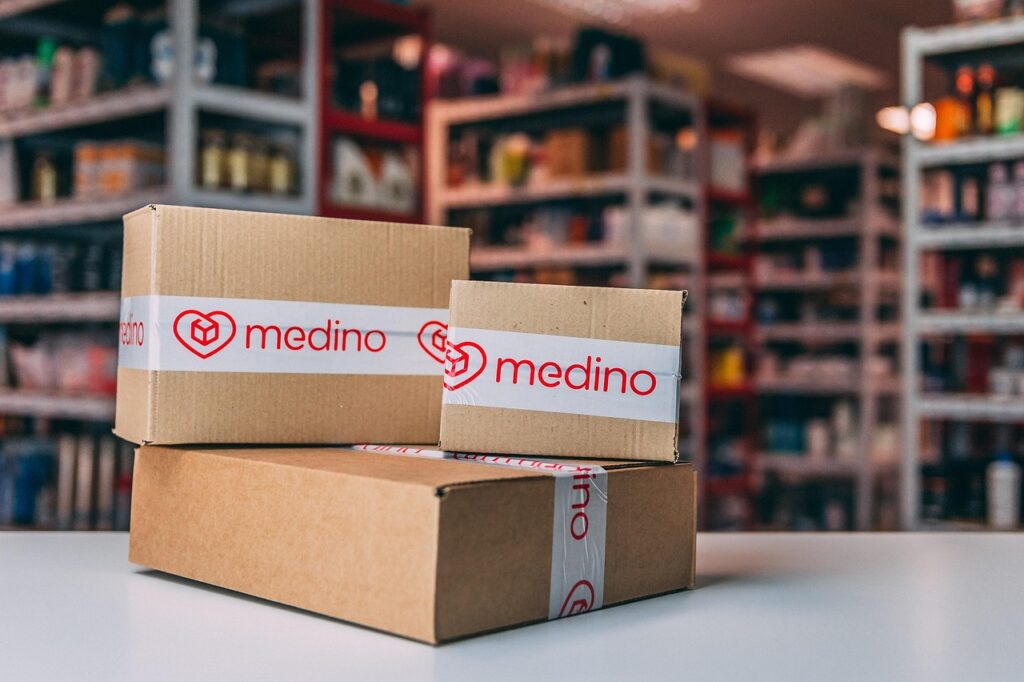
Packaging supplies now affect cost control, customer trust, and waste planning in a direct way. If you buy boxes, mailers, tapes, labels, void fill, pallets, or protective wraps for daily shipments, small choices can change landed cost and complaint rate without showing up clearly at first. This Buyer’s Guide explains how to choose supplies for real orders, not just for a neat catalog photo. The pressure is also higher now. The U.S. Census Bureau reported on May 18, 2026 that e-commerce made up 16.9% of total U.S. retail sales in Q1 2026, and retail e-commerce sales rose 9.8% from Q1 2025. More parcels mean more risk of crushed corners, weak seals, oversized cartons, and costly returns. (census.gov)
Packaging Is a Cost Center
The cheapest carton is not always the lowest-cost carton. A box that is 2 inches too large may need more filler, more tape, and more pallet space, and it may also push a parcel into a higher dimensional weight bracket. If you use 5,000 cartons a month, a few cents per shipment becomes real money quickly. Do not buy only by unit price. Compare total packed cost, including labor, cushioning, storage, damage claims, and disposal.
Packaging Is a Product Signal
Your buyer sees the package before the product. A clean mailer with a straight label sends a different message than a weak box covered with three layers of tape. That may sound basic, but it matters when products are sold across borders and buyers cannot touch them before purchase. For light industrial goods, household items, small appliances, hardware, beauty tools, and craft products, packaging can help a basic item feel reliable.
Packaging Is a Waste Decision
The U.S. EPA’s containers and packaging data shows why buyers should pay attention. In 2018, containers and packaging accounted for 82.2 million tons of U.S. municipal solid waste generation, equal to 28.1% of total generation. The same EPA data estimated 14.5 million tons of plastic containers and packaging were generated in that year. One buyer cannot fix the whole waste stream. Still, you can avoid careless over-packaging and choose materials that match the product’s risk. (epa.gov)
What Packaging Supplies Should You Buy First?
A useful packaging list starts with your product, shipping route, and customer promise. Do not start by copying every item in a supplier catalog. Pick the few materials that cover most orders first, then add special items for fragile, heavy, wet, or premium goods.
Corrugated Boxes for Main Shipments
Corrugated cartons are still the main choice for export and parcel shipping. Choose single-wall boxes for light products, double-wall boxes for heavier products, and stronger board grades for stacked pallets. For example, a carton holding metal parts needs better edge strength than a carton holding textile accessories. Ask your supplier for board grade, flute type, and test method, not only size and price.
Mailers for Small and Soft Goods
Poly mailers, kraft mailers, and padded envelopes can reduce shipping volume for apparel, samples, documents, and light accessories. Use them only when the product does not need corner protection. A soft mailer works well for a T-shirt, but it is a poor choice for a boxed ceramic cup. For branded retail orders, paper mailers may look cleaner, while poly mailers may handle rain and dirt better.
Protection Materials for Risk Points
Void fill, bubble wrap, molded pulp, foam corners, honeycomb paper, air pillows, and edge boards all solve different packing problems. The point is to protect the weak area, not wrap the whole product like a heavy coat. A glass bottle needs neck and base protection. A flat picture frame needs corner guards, while a small motor part may need anti-rust paper before cushioning starts.
How Should You Match Materials to Products?
Material matching is where many buying mistakes start. A catalog may show a clean carton, but your product may have sharp edges, liquid risk, a high gloss finish, or a battery label issue. Good packaging supplies should match the product’s weight, surface, shape, and route.
Weight and Compression Needs
Heavy products need packaging that can handle stacking and vibration. If cartons are palletized, check how many layers sit above the bottom carton. A 6 kg product may seem light by itself, but 80 cartons on a pallet create real pressure. Use stronger cartons, corner posts, or dividers when products do not carry vertical load well. A supplier should be able to discuss compression, not just carton thickness.
Surface and Finish Protection
Painted, polished, plated, or printed items need inner packing that is safe for the surface. Tissue paper, nonwoven bags, PE foam sheets, and scratch-resistant films can prevent small marks that turn into customer complaints. This is common with stainless steel kitchenware, cosmetic tools, electronics housings, and gift items. The outside box may arrive in good shape, but the product can still lose value if two pieces rub during transit.
Moisture and Temperature Risk
Moisture risk is easy to miss during short checks. Sea freight, warehouse storage, rainy delivery routes, and humid climates can soften cartons or stain paper. For moisture-sensitive goods, use inner poly bags, desiccants, coated cartons, or sealed liners. For food contact or cosmetics, check material safety requirements before buying recycled paper or unknown films. A nice eco story does not help if the packaging contaminates the product.
Which Specs Should You Check Before Placing an Order?
Specs keep buying decisions clear. Without them, two suppliers can quote the same “box” but deliver different board, thickness, glue, print, and strength. A clear specification sheet helps avoid surprises and makes repeat orders easier.
Size, Tolerance, and Packing Method
Record internal dimensions, external dimensions, and acceptable tolerance. State whether the product is hand-packed or machine-packed. A carton that works for hand packing may jam in a case erector. A label area that looks fine on a sample may be covered after pallet wrapping. Check with a ruler instead of only trusting the drawing. Small errors become a real problem when volume goes up.
Strength, Seal, and Closure
Ask for edge crush test, burst strength, board weight, tape grade, adhesive type, and seal style where relevant. For cartons, the flap gap and glue line matter. For mailers, the peel-and-seal strip should close smoothly and stay closed during heat, cold, and handling. For export cartons, tape that fails in a humid container can damage a good shipment before it reaches the buyer.
Print, Barcode, and Label Space
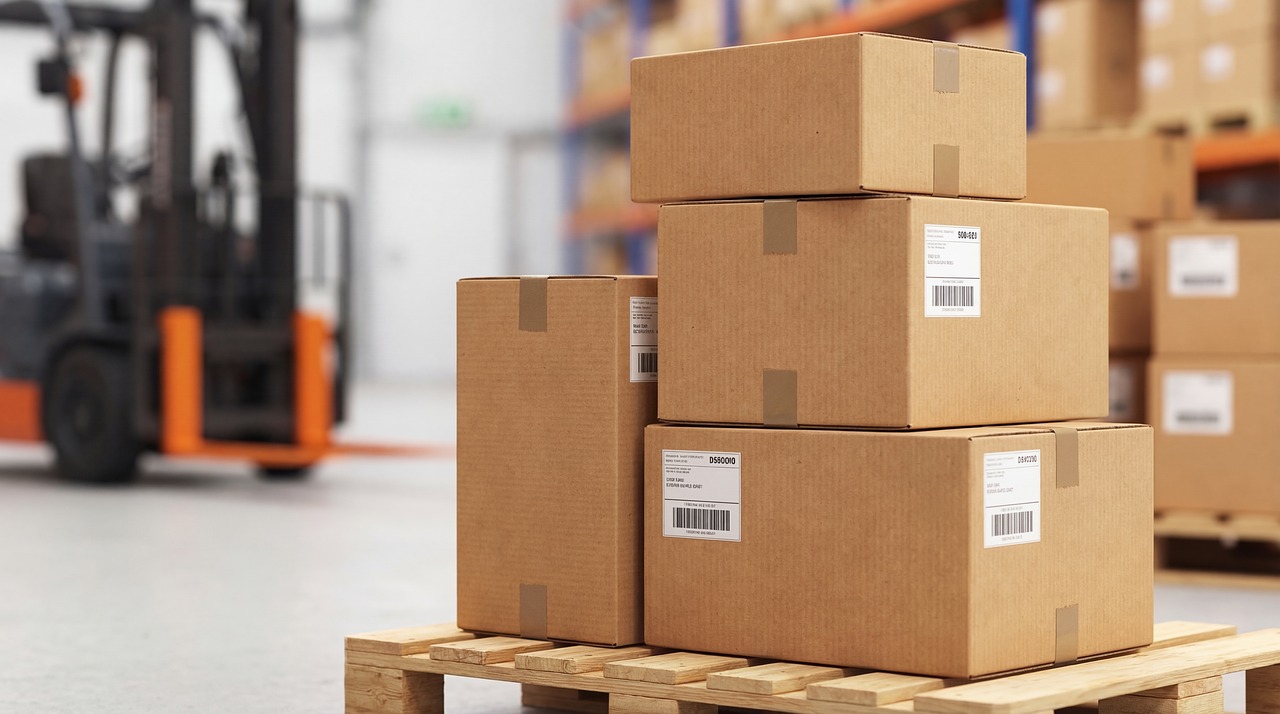
Packaging has to carry information clearly. Leave flat, visible space for shipping labels, barcodes, warnings, SKU marks, country of origin, and recycling marks if applicable. Avoid placing barcodes on folds, seams, glossy curved areas, or heavy texture. If the same carton serves several SKUs, use a blank carton plus SKU label system. It saves stock space and reduces the risk of obsolete printed boxes.
How Can Packaging Reduce Damage Without Raising Cost Too Much?
Damage control does not always mean using more material. In many cases, it means better placement, better fit, and less loose movement. Before adding another layer of bubble wrap, check whether the product can move inside the carton. Movement is often the hidden cause of damage.
Right-Sized Cartons and Less Empty Space
A right-sized carton limits movement and cuts filler use. Leave enough clearance to absorb shock, but not so much that the product bounces inside the box. For many small goods, 10 to 25 mm of planned cushioning on key sides works better than a large empty space filled with loose paper. Run drop tests with packed products, not empty boxes. The packed unit is what the carrier handles. See also: Food Packaging.
Simple Drop and Shake Checks
You do not need a full lab for every low-risk SKU, though high-value goods should get formal testing. For daily buying, do a basic shake check and a controlled drop check from normal handling height. Listen for movement, inspect corners, then open the box and look for scuffs. If the product shifted, fix the inner structure first. Stronger tape will not stop movement inside the carton.
Damage Data from Returns
Use return photos and customer service notes as buying data. If most damage appears on one corner, buy corner protection. If liquids leak, fix cap seals and inner bags. If boxes crush, check carton strength and pallet stacking. Keep a simple monthly log by SKU, damage type, route, and packaging version. It may look plain, but it shows where money is leaking.
What Should You Ask Packaging Suppliers Before You Buy?
A good supplier sells more than paper, film, and tape. The right supplier helps you repeat quality, control lead time, and avoid last-minute substitutions. This matters a lot for importers and exporters, because a packaging change can affect customs documents, warehouse handling, and retail shelf appearance.
Material Traceability and Test Reports
Ask for material descriptions, safety documents when needed, and test reports for strength or food contact use. For recycled content claims, ask how the supplier verifies the claim. For compostable or recyclable claims, be careful with loose wording. OECD’s 2022 Global Plastics Outlook reported that only 9% of plastic waste was successfully recycled globally, and its related release noted that 40% of plastic waste came from packaging. This does not mean plastic is always wrong. It means claims need proof, and local recovery reality matters. (oecd-ilibrary.org)
Lead Time and Stock Backup
Packaging often becomes urgent because it is treated as a low-value item. Then one late carton shipment can stop a whole production line. Ask about normal lead time, peak season lead time, minimum order quantity, mold or plate fees, and backup stock. For custom printed materials, keep safety stock based on actual weekly use, not on a hopeful sales forecast.
Sample Approval and Change Control
Approve pre-production samples and keep a signed reference sample. Ask the supplier to notify you before changing board mill, film thickness, adhesive, ink, or printing plate. A small change in adhesive can cause seals to fail, and a small change in board can change stacking strength. It is not an exciting detail, but it is the type of detail that saves a shipment.
How Do Sustainability Rules Affect Packaging Buying?
Sustainability is now part of packaging buying, but it should not be handled with slogans. Buyers need materials that protect the product, fit local recovery systems, and meet customer expectations. There is a working balance here. Under-packaging can create product waste, and that may be worse than using a little more protection.
Recyclable and Reusable Material Choices
Choose mono-material designs when possible. A plain corrugated carton is easier to process than a box laminated with plastic film. A paper mailer with a plastic bubble liner may protect well, but it can create disposal confusion. Reusable totes can work for closed-loop B2B deliveries, while single-use retail orders often need simple recyclable materials. Match the idea to the route, not to a trend report headline.
Customer Priorities Still Include Product Safety
McKinsey’s 2025 global consumer packaging survey reported that hygiene and shelf life remained the most important factors in purchase decisions across surveyed countries. That point matters for packaging buyers. A greener pack that fails to protect hygiene, freshness, or product quality may lose the customer. For food, cosmetics, medical-adjacent goods, and baby products, safety cues on the pack are not optional decoration. (mckinsey.com)
Policy Risk and Market Access
Rules are changing quickly in several markets. In California, CalRecycle states that SB 54 creates an extended producer responsibility program for packaging and single-use plastic food service ware, with targets tied to recyclability, compostability, reduction, and recycling rates. If you sell into regulated markets, track packaging material categories, labeling rules, recycled content claims, and producer responsibility duties before placing a large custom order. This check is easier before production than after printed stock is already in your warehouse. (calrecycle.ca.gov)
FAQ
Q1: What Are the Most Common Packaging Supplies for Export Orders? A: Corrugated cartons, tape, labels, pallet wrap, edge protectors, desiccants, poly bags, cushioning, and pallets are common. Fragile products may also need dividers, foam corners, molded pulp, or honeycomb paper.
Q2: Should You Choose Paper or Plastic Packaging Supplies? A: Choose based on product risk, moisture exposure, recycling options, and customer expectations. Paper often works well for dry goods and outer cartons. Plastic can be better for water resistance, barrier needs, and lightweight mailers.
Q3: How Can You Lower Packaging Cost Without Hurting Quality? A: Reduce empty space, standardize carton sizes, buy by total packed cost, and use protection only where the product needs it. Track damage data before cutting material, or the savings may come back as returns.
Q4: What Information Should Be on a Packaging Specification Sheet? A: Include dimensions, material grade, thickness or board strength, color, print artwork, barcode area, closure method, tolerance, packing quantity, pallet pattern, and any safety or compliance notes.
Q5: How Often Should Packaging Supplies Be Reviewed? A: Review core items at least twice a year, and review faster when a product changes, a carrier changes rules, damage rates rise, or a target market adds new packaging requirements.