Which Moving Packing Materials Do You Really Need for a Safer Move?
Choosing the right moving packing materials is not only a matter of buying boxes and starting the job. The right mix of cartons, paper, cushioning, tape, labels, and protective accessories can reduce breakage, save truck space, and make unpacking easier. Moving is already a rough job, so a carton of plates should not end up sounding like loose broken glass.
This guide looks at moving supplies from a buyer’s point of view. It uses packing habits from real jobs, common industry standards, and public information from sources such as the U.S. Environmental Protection Agency, the Federal Motor Carrier Safety Administration, ASTM International, USPS, and the American Forest & Paper Association. No single material fits every packing task. The safer way is to match each item with the right strength, cushioning, and labeling.
What Moving Packing Materials Should You Buy First?
Start with the basic items before spending money on specialty products. Most moves need a core kit: corrugated boxes, packing paper, cushioning material, tape, markers, labels, and a few protective extras for glass, artwork, and electronics. For a small move, that list may fit in one cart. For a full house, office, showroom, or small warehouse, it becomes a simple purchasing plan.
Strong Corrugated Boxes in the Right Sizes
Corrugated boxes carry most of the load in a move. Buy several sizes instead of using one large box for everything. Small boxes are better for books, tools, canned goods, and other dense items. Medium boxes work well for kitchen goods, toys, office supplies, and mixed household items. Large boxes should be kept for light bulky goods such as pillows, bedding, lampshades, and plastic storage bins.
Check the box corners before buying or packing. They should feel stiff, and the panels should not bow when you press them lightly. Used boxes can be fine, but skip cartons with water stains, crushed flaps, food residue, or weak seams. A box that has already failed once is not a good bet on moving day.
Packing Paper for Daily Items
Packing paper is plain, low cost, and easy to handle. It wraps plates, mugs, bowls, small decor, picture frames, and loose hardware. Clean paper is usually better than newspaper for white dishes or light fabric because ink can rub off. It also fills open spaces inside cartons, so items do not hit each other during loading and transport.
For many household goods, paper is enough. A coffee mug often needs a snug paper wrap and a tight carton, not several layers of bubble film. Keep the stronger cushioning for fragile, polished, or high value goods. This keeps the packing cost under control without cutting protection where it matters.
Cushioning Film and Foam for Fragile Goods
Bubble film, foam sheets, corner guards, and air pillows protect goods that cannot handle scratches or impact. Use them around glass, ceramics, small appliances, monitors, framed art, and decorative pieces with edges. The point is not to make every item bulky. The point is to protect weak areas and stop the item from moving inside the carton.
- Use paper for basic surface protection and void fill.
- Use bubble film for shock absorption around fragile items.
- Use foam sheets for polished, painted, or scratch-prone surfaces.
- Use corner protectors for mirrors, frames, and flat panels.
How Do You Match Materials to Each Room?
Packing room by room keeps the job easier to control. It also helps avoid odd mixes, such as a cast iron pan sitting on top of wine glasses. Walk through each room and list the item types first, then choose the materials. The supply list will be much closer to the real need.
Kitchen Boxes for Heavy Small Items
The kitchen usually needs more attention than other rooms. Plates, mugs, glasses, knives, pans, and pantry goods bring together fragile and heavy items. Use small or medium cartons, not huge ones. A large carton full of dishes may look efficient at first, but it can break at the bottom or become too heavy to carry safely.
Wrap plates one by one and place them vertically like records. Fill open spaces with crumpled paper so the stack cannot shift. Glasses and stemware need dividers when the move is long or handled by more than one crew. Mark these boxes on at least two sides, because the top flap is often hidden once cartons are stacked.
Wardrobe Boxes for Clothes and Linens
Wardrobe boxes are useful when suits, coats, uniforms, gowns, or retail samples need to stay hanging. They cost more than regular cartons, but they save folding time and help reduce wrinkles. For basic T-shirts, towels, blankets, and sheets, standard large boxes or clean reusable bags may be enough.
Do not overpack soft goods boxes. Linens can become heavy faster than people expect. A large carton filled tightly with towels can be harder to lift than a box of mixed kitchen goods. Keep the weight reasonable so the carton can be carried without tearing or dropping.
Electronics Packing with Original Cartons
Original cartons are often the safest choice for TVs, monitors, printers, small machines, and audio gear. The inserts were made for the shape of the product, so they hold the item in the right position. If the original carton is missing, use a sturdy box, foam sheets, bubble film, and firm void fill. Take photos of cable connections before packing, then bag the cables and label them by device.
Public USPS Publication 52 guidance is useful when electronics are shipped separately instead of moved by truck. USPS states that pre-owned, damaged, or defective electronics containing or packed with lithium batteries must be sent by ground transportation. That rule is a useful reminder for moving work too. Battery-powered products need extra care, clear labeling, and careful handling.
Which Box Sizes and Tape Choices Help Prevent Damage?
Many damage cases start with a simple mismatch: too much weight in a weak box, or too little tape on a loaded carton. Box size, closure method, and load weight matter as much as the cushioning inside. ASTM International lists ASTM D1974 as a standard practice for closing, sealing, and reinforcing fiberboard boxes. That shows how much proper box closure matters in packaging work.
Small Boxes for Books and Tools
Small cartons do a lot of work in a move. Use them for books, files, tools, hardware, records, tiles, samples, and small machine parts. If you can barely lift the box after packing, it is already too heavy. Split the load before sealing it.
A common field habit is to keep dense boxes under roughly 40 pounds when possible. This is not a universal legal limit, but it is a practical target for many household moves. Lighter cartons are easier to carry with control. They also get dropped less often because the crew is not fighting the weight.
Medium Boxes for Mixed Household Goods
Medium boxes are good for mixed goods: small appliances, folded clothes, toys, bathroom products, desk items, and kitchen plastics. Put heavier items at the bottom and lighter items at the top. Fill gaps along the sides and corners. A half-empty carton can crush more easily when stacked, even if the cardboard is acceptable.
For office moves, medium cartons also make inventory easier. A team can label them by department, desk number, or shelf section. That small step can save a lot of time when the new location is being set up. It also cuts down on cartons being carried to the wrong room.
Tape Patterns That Hold Under Load
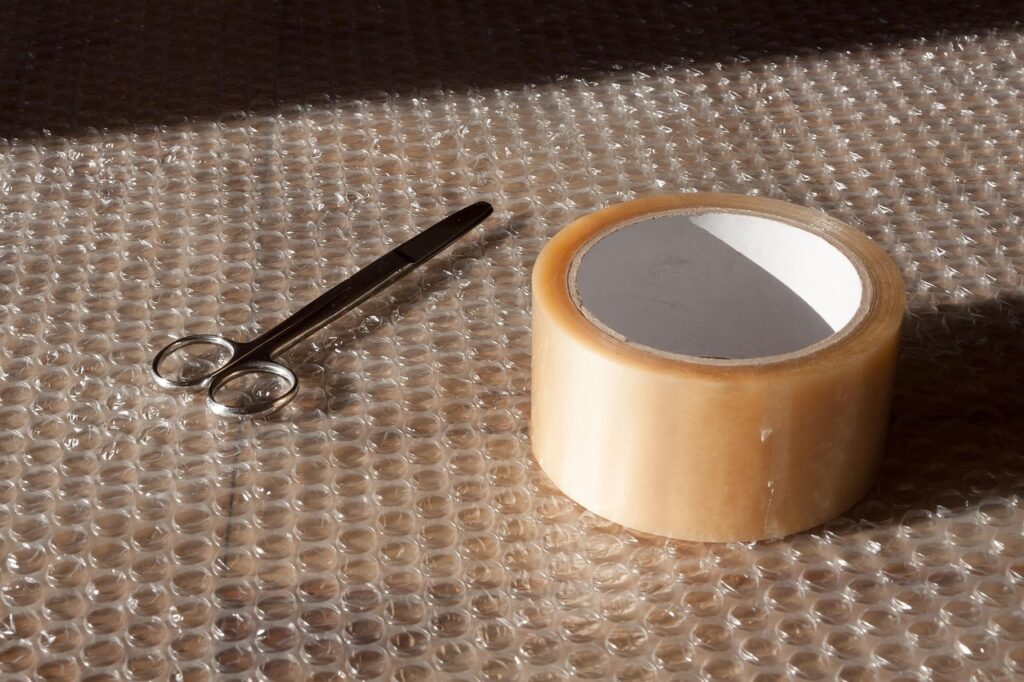
Good tape costs less than replacing damaged goods. Use carton sealing tape made for boxes, not masking tape or thin stationery tape. Seal the center seam first, then add tape across both end seams in an H pattern. For heavy cartons, add a second strip along the center seam and press the tape down firmly.
Temperature also matters. Some tapes do not grip well in cold storage, humid garages, or dusty warehouse areas. If boxes will sit for weeks before pickup, test the tape on one packed carton overnight. This small check can catch weak adhesive before every carton is sealed.
How Can You Pack Fragile, Heavy, and Odd-Shaped Items?
Fragile and odd-shaped goods need structure, not only soft wrap. Too much soft cushioning can still fail if the item shifts inside the box. A good pack holds the item in place, protects corners, and spreads weight through the carton. That is why professional packing often looks plain, but feels tight when you lift it.
Dish Barrels and Cell Dividers
Dish barrels or double-wall dish boxes are useful for plates, bowls, glassware, and serving pieces. Add cell dividers for stemware, wine glasses, bottles, and small ceramics. Wrap each item first, then place it inside the divider. The divider keeps glass from touching glass, and the wrap protects the surface.
Keep the top layer padded. When another carton is stacked above it, the lid area takes pressure. A final layer of crumpled paper or foam helps spread that pressure. Seal the carton only after the top feels firm and not hollow.
Corner Protection for Mirrors and Frames
Mirrors, framed prints, whiteboards, and glass panels are weakest at corners and edges. Use corner protectors, foam sheets, and flat picture cartons. Large mirrors should stand upright during transport, not lie flat under other goods. Label them as glass and mark the upright direction. See also: Food Packaging.
If the item has high sentimental or resale value, ask the mover about crating or specialty packing. The Federal Motor Carrier Safety Administration says interstate movers must offer valuation options, including Full Value Protection and Released Value. FMCSA also notes that Released Value is limited to 60 cents per pound per article. That amount may be far below the real value of a framed painting, TV, or heirloom mirror.
Weight Balance in Every Carton
A well-packed box should feel balanced when lifted. Heavy objects should sit low and near the center. Fragile goods need space around them, but that space should not be loose. If you shake the carton gently and hear movement, open it and add paper or padding.
For lamps, remove bulbs and shades before packing. Pack shades separately and do not put heavy goods inside them. For small furniture parts, bag screws and brackets, then tape the bag to the item or place it in a clearly labeled parts box. One missing bracket can slow down the whole reassembly job.
What Sustainable Packing Choices Make Sense?
Sustainability matters, but moving supplies still have to protect the shipment. A broken product wastes money, material, fuel, and labor time. The practical approach is to use recyclable materials where they work, reuse clean supplies when safe, and avoid weak packaging that leads to damage.
Recyclable Paper-Based Materials
Paper-based packing has a strong recycling record in the United States. The U.S. EPA’s containers and packaging data reported an 80.9 percent recycling rate for paper and paperboard packaging in 2018. The American Forest & Paper Association later reported that the 2024 U.S. cardboard recycling rate was 69 to 74 percent. These numbers support a clear buying point: corrugated boxes and clean paper are practical choices when recycling access is available.
Clean material still matters. Greasy, wet, or heavily taped paper is harder to recycle. Flatten cartons after unpacking, remove loose plastic, and check local recycling rules before putting a full stack at the curb. A little sorting keeps usable material out of the trash stream.
Reusable Totes for Local Moves
Reusable plastic totes can work well for short local moves, office relocations, warehouse transfers, and repeated apartment turnovers. They stack neatly, resist light moisture, and reduce single-use carton buying. The tradeoff is rental timing and return work. If unpacking will take weeks, tote rental can become inconvenient and costly.
Use totes for files, desk contents, retail stock, and durable household goods. For fragile items, add paper or foam inside the tote. Hard plastic walls protect against light moisture and crushing, but they do not cushion impact by themselves.
Clean Sorting After Unpacking
Plan disposal before the first box is opened. Set areas for flattened cardboard, clean paper, plastic film, foam, and trash. It may sound like extra work, but it keeps the new space from filling up with loose packaging. For businesses, clean sorting can also help with facility recycling rules and janitorial costs.
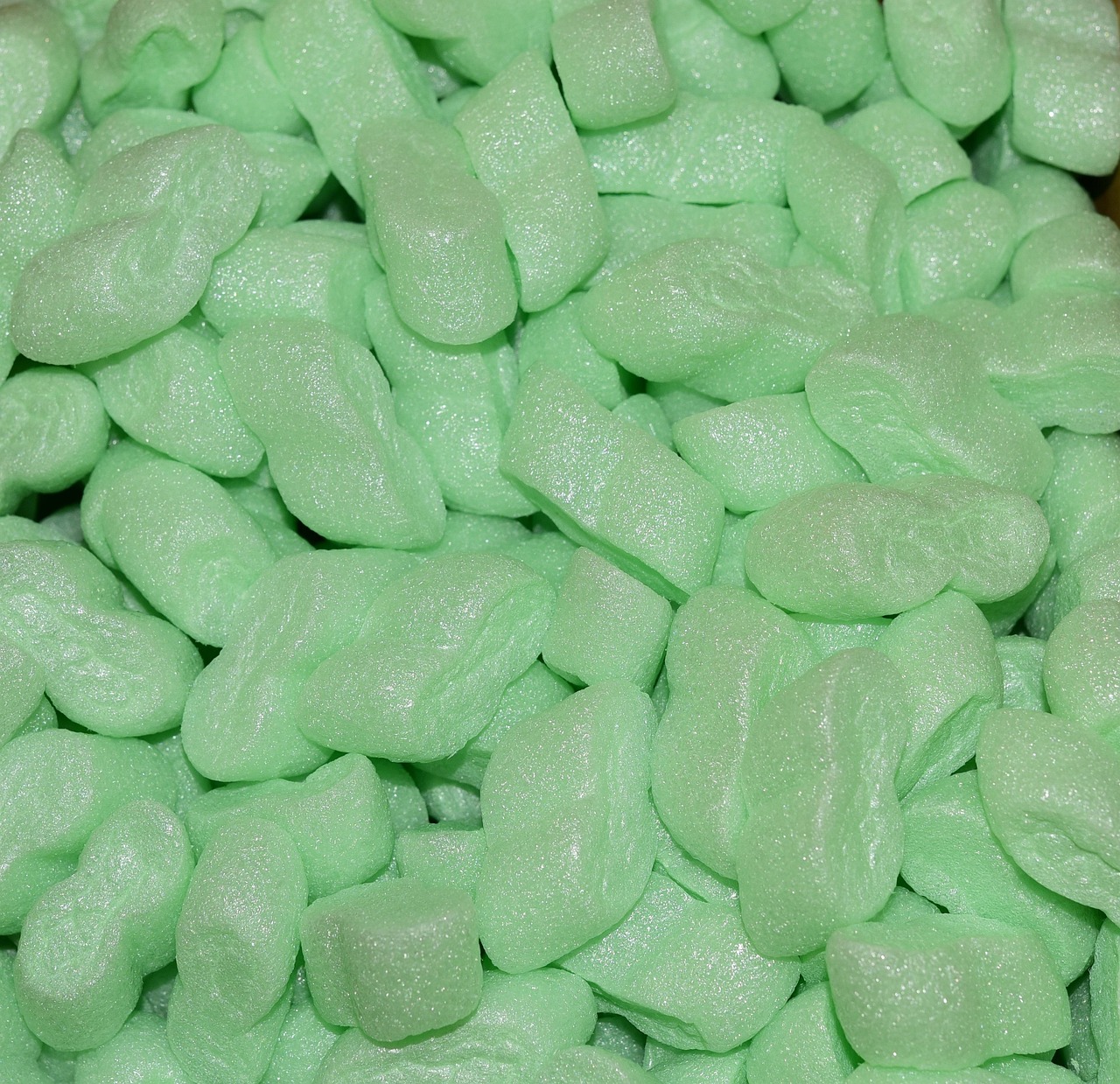
Do not assume every cushioning product belongs in curbside recycling. Plastic film, bubble wrap, and foam often need special drop-off programs or commercial collection. If local guidance is unclear, check the local waste authority instead of guessing. That is safer than mixing materials and having the whole batch rejected.
How Should Businesses Source Moving Packing Materials for Bulk Orders?
For commercial buyers, moving supplies are more than a shopping list. They affect labor time, damage claims, storage space, and truck loading. A buyer should set sizes, board strength, quantities, delivery timing, and labeling needs before asking for quotes. Clear information usually leads to cleaner pricing.
Consistent Specifications for Easier Quotes
Ask suppliers for clear carton dimensions, wall type, board grade if available, tape width, roll length, material thickness, and pack count. Vague requests lead to vague quotes. If two suppliers quote “medium moving box,” the boxes may still differ in strength, size, and usable volume. That difference can show up later as damage or extra labor.
For export or wholesale purchasing, samples help. A sample carton can be packed, taped, stacked, and handled before a full order is placed. This simple test tells more than a neat product photo. It also gives the buying team something real to compare across suppliers.
Pallet-Friendly Carton Supply
Bulk moving materials should arrive in a way that saves labor. Flat-packed boxes on pallets are easier to count and store. Tape, labels, markers, and cushioning should be packed separately, not buried under carton bundles. If supplies go to several job sites, ask for split packing by location.
For warehouses, schools, hotels, clinics, and retail chains, consistent carton sizes also make truck loading cleaner. Similar boxes stack better. Crews also spend less time trying to fit random carton sizes together at the dock. That can make a real difference on a tight moving schedule.
Clear Labels and Inventory Sheets
Labels cost little, but they carry a lot of value. Use room labels, color labels, fragile labels, arrow labels, and numbered inventory stickers. For business moves, connect box numbers to a simple spreadsheet or printed inventory sheet. A box labeled “Marketing 12, shelf B” is much easier to place than one labeled “stuff.”
The FMCSA also advises consumers to get written estimates for interstate moves, and its public guidance says estimates should describe charges in writing. For buyers, the same habit works with packing supplies. Written specs, written quantities, and written delivery dates reduce arguments later. They also make repeat orders easier.
FAQ
Q1: How Many Moving Boxes Do You Need for a Typical Home? A: It depends on home size, storage habits, and how many goods are being moved. A studio may need a few dozen boxes, while a packed family home may need well over 80. Count rooms first, then add extra small boxes for heavy items and medium boxes for mixed goods.
Q2: Are Used Boxes Safe for Moving? A: Used boxes are fine when they are dry, clean, stiff, and not crushed. Avoid boxes with weak corners, food stains, odors, or torn flaps. For dishes, electronics, and valuable goods, new or heavy-duty cartons are usually safer.
Q3: Is Bubble Film Better Than Packing Paper? A: Not always. Packing paper is better for many everyday items and gap filling. Bubble film is better for shock protection around fragile items, glass, ceramics, and electronics. Most good packing jobs use both.
Q4: What Is the Best Tape for Moving Boxes? A: Use carton sealing tape designed for corrugated boxes. Apply it in an H pattern across the center seam and end seams. For heavy cartons, add extra tape and press it down firmly so the adhesive bonds to the cardboard.
Q5: Can Moving Packing Materials Be Recycled After Unpacking? A: Corrugated boxes and clean packing paper are widely recyclable in many areas. Plastic film, bubble wrap, and foam may need special collection. Check local recycling rules, flatten boxes, and keep materials clean for the best result.