How to evaluate packaging printing companies before requesting quotes
What buyers should decide before contacting printers
Packaging printing companies are not interchangeable suppliers. The right choice depends on the package format, substrate, run length, artwork complexity, color expectations, regulatory exposure, and how much variation your filling, sealing, shipping, and retail channels can tolerate. Before requesting quotes, buyers should define what needs to be printed, how the pack will be used, which markets it will enter, and what evidence the printer must provide. A lower unit price can become expensive if the printer cannot hold color, verify barcodes, meet food-contact requirements, or repeat the same result on reorders.
This guide is for brand owners, sourcing teams, and manufacturers comparing packaging print suppliers for labels, folding cartons, flexible packaging, corrugated, pouches, sleeves, inserts, and retail display materials. For more sourcing and procurement topics, visit the Buyer’s Guide section.
Start with a written specification rather than a general request for packaging. At minimum, include the package format, dimensions, substrate or target structure, expected annual volume, first-order quantity, number of SKUs, artwork files, color targets, barcode type, finish, filling conditions, storage conditions, and destination markets. If the material structure has not been selected, describe the product, shelf-life goal, barrier needs, filling temperature, seal requirements, and distribution channel so the supplier can propose a realistic construction.
- Package type: label, pouch, roll stock, carton, sleeve, corrugated shipper, display, or insert.
- Substrate: paperboard, film, foil laminate, kraft paper, corrugated board, shrink film, pressure-sensitive label stock, or another material.
- Print requirements: brand colors, fine text, gradients, varnish, tactile effects, metallic effects, variable data, and barcode grade expectations.
- Commercial details: launch date, repeat order frequency, storage space, inventory risk, and acceptable lead time.
- Compliance details: food contact, child safety, medical, pharmaceutical, cosmetic, recycling claim, market-specific labeling, or retailer barcode requirements.
Match the print process to the packaging job
The first screening step is process fit. Many packaging printing companies specialize in one or two processes, while larger converters may combine printing, laminating, coating, slitting, die-cutting, and pouch making. A supplier that is strong in short-run digital labels may not be the right plant for high-volume flexible roll stock. A gravure or flexographic converter with good high-volume economics may not be economical for a 20-SKU test launch.
Smithers reported in 2025 that digital printing is growing across print markets as higher-throughput inkjet systems, automation, and software improve productivity. The same forecast still noted that some of the highest-volume, low-graphics packaging work remains more favorable to analogue methods. For buyers, the point is to match the process to the job: digital is valuable for speed, versioning, and lower minimums, while flexo, offset, and gravure remain important when volume, substrate range, color consistency, and unit cost are the main drivers.
| Process | Common packaging uses | Good fit when | Watch points |
|---|---|---|---|
| Flexographic printing | Flexible packaging, labels, corrugated, paper bags, sleeves | You need medium to high volume, repeat work, broad substrate choice, and efficient roll-to-roll production | Plates, anilox selection, fingerprinting, and color control matter; very short runs may carry setup cost |
| Digital printing | Labels, folding cartons, flexible packs, prototypes, variable data | You need fast launches, many SKUs, personalization, test markets, or lower inventory risk | Ink compatibility, surface durability, food-contact suitability, color matching, and scale-up economics need review |
| Offset lithography | Folding cartons, inserts, labels, high-quality paperboard packaging | You need strong image quality on paperboard and efficient sheet-fed production | Less suitable for many film structures unless combined with specialized converting routes |
| Gravure printing | High-volume flexible packaging and decorative packaging | You need long runs, consistent solids, and durable cylinders for repeat production | Cylinder cost and lead time can make early-stage or frequently changing SKUs less attractive |
| Screen printing | Special effects, high-opacity whites, tactile coatings, specialty labels | You need a specific visual or functional effect rather than general process economy | Often used as a complementary process, not the default for every package |
Evaluate process control, proofing, and repeatability
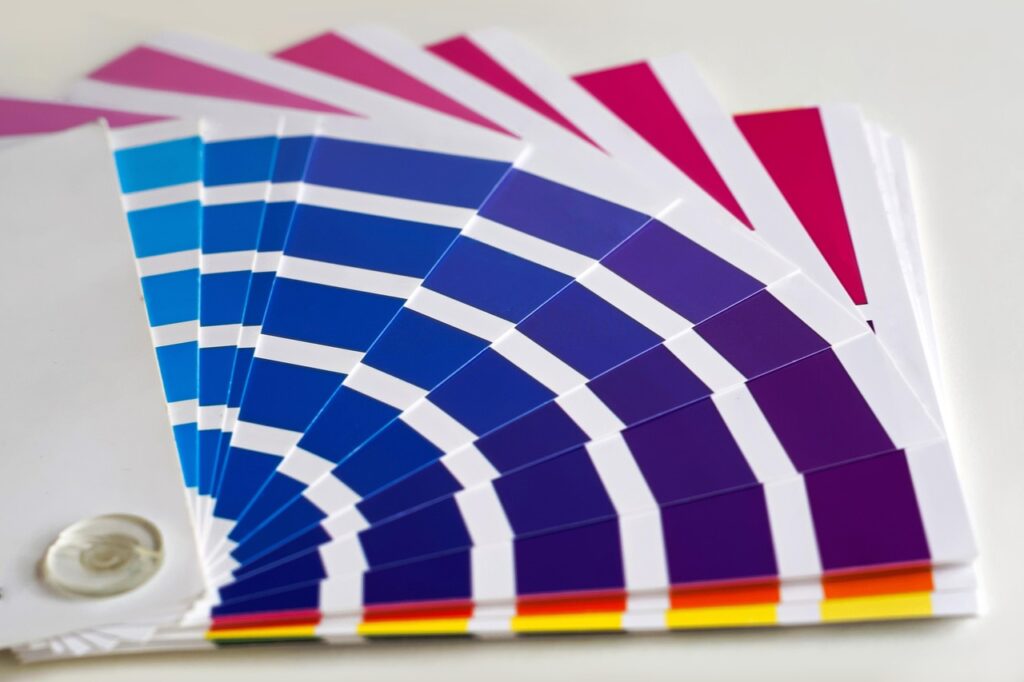
Color approval is where many packaging projects lose time. Buyers may approve a PDF on screen and later find that the printed result changes with the substrate, ink set, press condition, coating, or lamination. Good packaging printers manage these variables with defined targets, proofs, press characterization, controlled measurement, and documented tolerances.
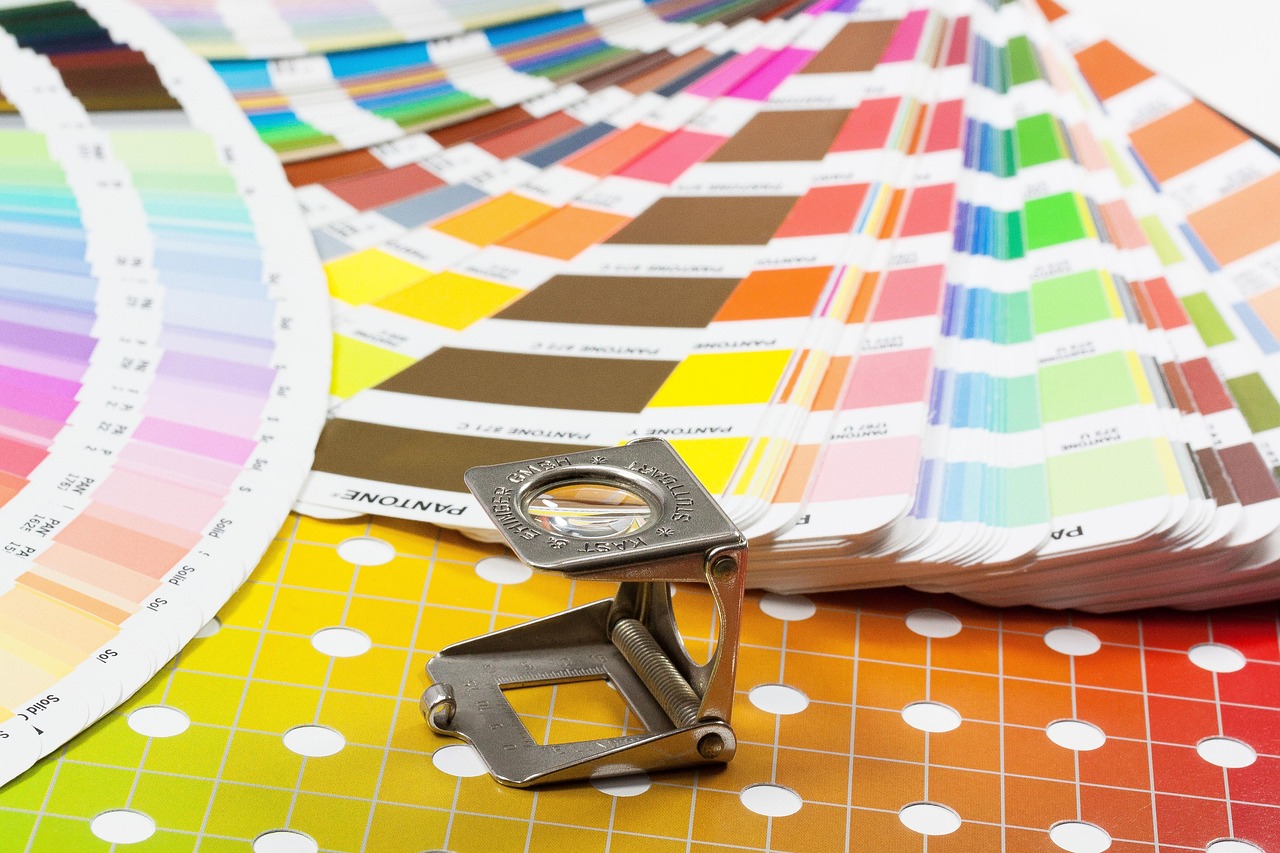
For flexographic work, industry references such as FTA FIRST 7.0 and ISO 12647-6:2020 emphasize process control, characterization, measurement, proofing, and data exchange for package printing. A buyer does not need to become a press technician, but the supplier should be able to explain how it controls the variables that affect print consistency. Ask whether the plant fingerprints presses, measures color with spectrophotometers, controls dot gain, records approved standards, and keeps retained samples for reorders.
Proofing terms should be specific. A contract proof, a digital content proof, a color-managed proof, a drawdown, and a press proof do not mean the same thing. If brand color is critical, define the target with a measurable standard rather than subjective comments such as brighter red or deeper blue. If artwork includes small reversed type, hairlines, dense barcodes, metallic inks, or matte varnish over dark colors, request a production-realistic proof or a trial run before full release.
Repeatability is especially important for products sold through retail chains or e-commerce channels where consumers may see multiple batches side by side. The useful supplier conversation is not only whether the first sample looks good. It is whether the printer can repeat that sample under normal production conditions, across multiple lots, and with a clear corrective action process when variation appears.
Check compliance risks before artwork is locked
Packaging artwork is not only decoration. It can carry legal claims, safety information, recycling instructions, traceability data, and retailer-required codes. Because print is one of the last visible steps before a product reaches the market, packaging printing companies should be able to work within the compliance requirements that apply to the product and destination.
Food packaging deserves particular care. The U.S. FDA explains that food contact substance review considers migration into food and toxicological data to evaluate safe exposure. FDA research presented in 2023 also noted that some photoinitiators used in UV-cured inks on the exterior of food packaging may migrate under certain intended-use conditions. This does not mean every printed food package is unsafe. It does mean buyers should avoid vague claims such as food-safe ink unless the supplier can identify the applicable ink system, barrier, substrate, intended use, and supporting documentation.
Environmental claims need the same discipline. The FTC Green Guides state that environmental marketing claims should be supported by competent and reliable evidence. For example, unqualified recyclable claims are generally risky when recycling facilities are not available to a substantial majority of consumers or communities where the product is sold. A printer may reproduce your artwork, but the brand owner usually carries responsibility for the claim. Use qualified language and verify that icons, recycling claims, compostability claims, and recycled-content statements match the market where the product will be sold.
For products entering the European Union, Regulation (EU) 2025/40 on packaging and packaging waste has applied from 12 August 2026, with phased provisions affecting recyclability, labeling, recycled content, and certain substances. Packaging exported to the EU should be reviewed early because artwork space, material selection, data carriers, and supplier documentation can all be affected. Brands selling through U.S. retail channels should also watch GS1 Sunrise 2027, an industry initiative aiming for 2D barcodes to be scan-ready at retail point of sale by the end of 2027. This can affect barcode size, quiet zones, print contrast, placement, verification, and whether both linear UPC and 2D symbols appear during transition. See also: Food Packaging.
- Confirm who approves regulated copy before files go to plate or press.
- Ask whether the printer can provide ink, coating, adhesive, and substrate documentation relevant to the intended use.
- Verify barcode testing methods, not just visual readability by phone camera.
- Keep a change-control process for artwork, material, ink, coating, and finishing changes.
- Do not let sustainability icons or claims be added as decorative elements without substantiation.
Compare quotes beyond unit price
A useful quote from packaging printing companies should make assumptions visible. If two suppliers quote different structures, plate systems, minimum order quantities, overrun allowances, freight terms, or artwork services, the unit prices are not truly comparable. Normalize the quote before negotiating.
| Quote item | What to ask | Why it matters |
|---|---|---|
| Minimum order quantity | Is the MOQ per design, per size, per material, or per total order? | High MOQ can create obsolete inventory when artwork or demand changes |
| Tooling and plates | Are plates, cylinders, dies, screens, and setup fees included or separate? | One-time costs can change the economics of small or frequently revised runs |
| Material structure | What exact substrate, gauge, coating, adhesive, or laminate is quoted? | Small structure changes can affect barrier, sealing, stiffness, recyclability, and cost |
| Proofing | What proof is included, and does it predict production color? | Inadequate proofing increases revision risk and launch delay |
| Lead time | Does the quoted lead time start after artwork approval, deposit, material arrival, or proof approval? | Different start points make delivery promises hard to compare |
| Quality standard | What tolerances apply to color, registration, barcode grade, dimensions, defects, and roll winding? | Without tolerances, disputes become subjective |
| Freight and duties | Are shipping, insurance, import duties, and local delivery included? | Landed cost can differ significantly from ex-works or factory price |
Also compare supplier behavior during the quoting stage. A serious printer asks questions about the product, pack performance, artwork, and market. A supplier that immediately quotes from an image alone may still be capable, but the risk of hidden assumptions is higher. For new packaging, the cheapest quote is rarely the safest starting point unless the specification is already mature and validated.
Questions to ask packaging printing companies
The following questions help separate a general printer from a packaging specialist. Use them in supplier interviews, RFQs, audits, and second-source qualification projects.
- Which package formats and substrates do you run most often, and which are outside your normal range?
- Which print processes are in-house, and which steps are outsourced?
- Can you provide examples of tolerances for color, registration, dimensions, winding, die-cutting, and barcode grades?
- How do you manage artwork preflight, trapping, overprint, white ink layers, varnish layers, and version control?
- What proofing options are available, and which one should be used for production color approval?
- Do you retain approved standards and production samples for repeat orders?
- What documentation can you provide for food-contact, indirect food-contact, cosmetic, pharmaceutical, or retailer requirements when relevant?
- How do you handle material or ink changes after approval?
- What is the process for nonconforming product, complaint investigation, corrective action, and replacement?
- Can you support barcode verification for UPC, EAN, Data Matrix, QR, or GS1 Digital Link symbols if the product requires them?
For strategic packaging programs, ask about backup capacity, disaster recovery, and second-source support. A launch can fail not only because a printer performs poorly, but because a single qualified plant becomes overloaded or a specific substrate becomes constrained. Buyers with national retail timelines should treat continuity planning as part of supplier selection.
Frequently asked questions
Should I choose a printer or a full packaging converter?
Choose a printer when you already have a validated package structure and only need print production. Choose a full converter when printing must be coordinated with lamination, coating, slitting, pouch making, die-cutting, or pack-performance testing. Many packaging problems are caused by interactions between print, material, adhesive, coating, and converting, so a converter can reduce handoff risk for complex projects.
Is digital printing better than flexographic printing for packaging?
Neither process is automatically better. Digital printing is often useful for short runs, many SKUs, variable data, fast trials, and lower inventory exposure. Flexographic printing is often strong for repeat roll-to-roll production, broad substrates, and medium to high volumes. The correct choice depends on run length, substrate, artwork, color targets, lead time, and total landed cost.
What files should I prepare before requesting a quote?
Prepare editable artwork when available, dielines, dimensions, color references, barcode data, copy requirements, material specifications, expected quantities, and destination markets. If the structure is not final, provide product details such as weight, grease level, moisture sensitivity, filling temperature, shelf-life target, and distribution conditions.
How can I reduce risk when changing packaging printing companies?
Do not switch only by matching the old artwork file. Transfer the full specification, including substrate, ink system, coatings, adhesives, tolerances, approved samples, barcode requirements, palletization, roll direction, and line-performance history. Run a controlled trial before moving all volume. Keep the previous supplier active until the new source proves quality, conversion, packing-line performance, and delivery reliability.
Key takeaway for buyers
The strongest packaging printing companies make risk visible before production begins. They ask detailed questions, explain process limits, document materials, control color, verify codes, and connect print decisions to compliance and converting performance. Buyers should evaluate suppliers by evidence, not by samples alone. A clear specification, comparable RFQ, realistic proofing plan, and documented approval process will usually save more money than a small unit-price reduction on an undefined package.