How Automated Packaging Machine Transforms Carrot Processing Efficiency
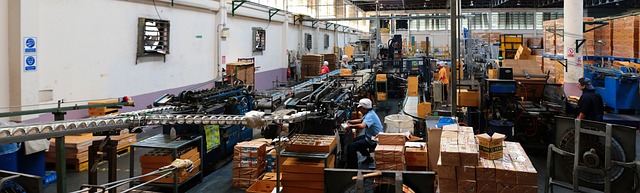
Automated Carrot Packaging Improves Quality While Reducing Operating Costs
Automation in carrot processing has moved from an experimental concept to a central strategy for modern food producers. Automated packaging machines now handle tasks once reliant on manual labor, providing higher consistency, reduced waste, and faster throughput. These systems not only enhance product quality but also deliver measurable cost savings by lowering energy consumption and minimizing downtime. For carrot processors, automation is no longer optional—it’s the foundation for competitiveness in a market that values precision, hygiene, and sustainability.
The Role of Automated Packaging Machines in Carrot Processing
Automation has reshaped how food products are processed and packed. In carrot processing lines, automated systems coordinate washing, grading, cutting, and packaging with minimal human intervention.
Evolution of Automation in the Food Packaging Industry
The food industry has seen steady movement from manual handling to semi-automated systems and now fully automated lines. Early packaging lines relied on human operators for sorting and sealing; today’s plants use robotics and computer control to maintain uniformity. Integration of digital sensors has allowed real-time monitoring of each stage, improving traceability and reducing waste.
Transition from Manual to Semi-Automated and Fully Automated Systems
Semi-automated equipment initially served as a bridge between manual work and full automation. As technology matured, programmable logic controllers (PLCs) enabled precise timing between conveyors, fillers, and sealers. This transition improved both speed and accuracy while reducing fatigue-related errors common in manual operations.
How Technology Integration Has Optimized Root Vegetable Packaging Lines
For root vegetables like carrots, integration of weighing units with optical sorters ensures accurate portioning before sealing. Modern machines can detect shape irregularities or dirt residues automatically. The result is consistent product presentation that meets retail standards while minimizing rework or rejection rates.
Key Components of an Automated Carrot Packaging System
A well-designed automated packaging machine for carrots includes mechanical precision and smart control layers working together seamlessly.
Conveyors, Weighing Units, Sealing Mechanisms, and Control Systems
Conveyors move cleaned carrots through weighing stations where load cells determine exact portions. Sealing mechanisms—whether heat or vacuum-based—close bags securely to maintain freshness. Control systems synchronize all elements to maintain continuous flow without bottlenecks.
Integration with Washing, Grading, and Cutting Equipment for Seamless Workflow
Automated packaging doesn’t operate in isolation; it links directly with upstream processes such as washing tunnels or optical graders. This integration minimizes idle time between stages and maintains product hygiene by reducing unnecessary handling.
Use of Sensors and PLCs for Precision Control and Monitoring
Sensors monitor parameters like weight deviation or seal temperature in real time. PLCs interpret sensor data instantly to adjust machine settings if needed. This feedback loop provides stable operation even when carrot sizes vary slightly between batches.
Enhancing Efficiency in Carrot Processing Operations
Automation brings measurable gains in labor efficiency, speed, and consistency across every production shift.
Reduction of Manual Labor and Human Error
Replacing manual packing with robotic arms or automatic weighers reduces dependency on skilled labor during peak seasons. Machines perform repetitive tasks uniformly without fatigue or bias, producing consistent package weights that meet labeling regulations.
Consistent Output Quality Through Standardized Machine Operations
Automated systems apply identical parameters across all cycles—temperature for sealing or pressure for filling—ensuring repeatable quality standards across thousands of units daily.
Reduced Risk of Contamination Due to Limited Human Contact
By minimizing touchpoints between workers and produce, contamination risks drop sharply. This hygienic benefit aligns with global food safety standards such as ISO 22000.
Speed and Throughput Improvements
Continuous motion designs allow automated lines to run at high capacity without interruptions common in manual setups.
Continuous Operation Increases Production Rates per Hour
Unlike human crews requiring rest breaks or shift changes, automated packaging machines sustain output throughout long production hours with minimal supervision.
Real-Time Data Tracking Enables Better Scheduling and Resource Allocation
Integrated software tracks performance metrics such as cycle time or reject rate. Managers can plan maintenance schedules based on actual usage data rather than fixed intervals.
Optimized Line Balancing Reduces Downtime Between Processing Stages
Proper synchronization between cutting units and packaging conveyors avoids bottlenecks that slow production flow. Balanced lines achieve smoother transitions from raw intake to final sealed packs.
Quality Control Through Automation Technology
Automated inspection tools elevate quality control beyond what visual checks alone can deliver.
Consistency in Packaging Weight and Presentation
Advanced weighing modules guarantee uniform product weight within tight tolerances demanded by retailers. Automated sealing creates identical finishes that enhance shelf appeal while protecting contents from moisture loss.
Vision Systems Detect Irregularities Before Final Packing
Cameras equipped with AI-based recognition identify defects like broken pieces or color variations before sealing occurs. Rejects are removed automatically without halting the line.
Preservation of Product Freshness and Shelf Life
Maintaining carrot freshness depends heavily on controlling exposure to air and temperature after washing.
Controlled Atmosphere Packaging Maintains Carrot Moisture Content
Modified atmosphere techniques replace oxygen inside bags with inert gases like nitrogen or carbon dioxide to slow respiration rates in fresh produce.
Rapid Sealing Minimizes Exposure to Air, Slowing Oxidation
Fast-sealing mechanisms close packages immediately after filling to prevent oxidation that dulls color or texture over time.
Integration with Cold-Chain Logistics Enhances Freshness Retention
When integrated into refrigerated transport systems, automated packaging extends shelf life by maintaining consistent low temperatures from factory floor to retail display.
Cost Optimization in Carrot Processing Plants
Automation’s financial benefits extend beyond labor savings into energy management and long-term ROI improvements.
Energy Efficiency and Resource Management
Smart drives reduce power draw during idle cycles while maintaining readiness for immediate restart. Film-cutting precision decreases material waste significantly across large production runs.
Predictive Maintenance Prevents Costly Downtime or Breakdowns
Machine learning algorithms analyze vibration patterns or temperature spikes to predict component wear before failure occurs—saving repair costs and avoiding unplanned halts.
Long-Term Return on Investment (ROI) Considerations
Though initial investment is high, payback periods shorten as productivity rises. Lower staffing needs combined with reduced waste yield faster ROI realization within two to three years for many facilities adopting full automation setups.
Integration of Digital Technologies in Packaging Systems
Digitalization transforms automated equipment into connected assets capable of self-monitoring and optimization across entire networks of factories.
Data Analytics and Process Monitoring Capabilities
IoT-enabled machines transmit operational data continuously to cloud dashboards accessible remotely by supervisors tracking efficiency metrics across multiple sites simultaneously.
Automation Compatibility with Smart Factory Frameworks
Compatibility with MES platforms allows synchronized workflows linking inventory management with live production data streams—key for achieving Industry 4.0 readiness levels expected by global processors today.
Future Trends in Automated Carrot Packaging Solutions
The next generation of automated packaging will combine robotics innovation with sustainable material advances shaping tomorrow’s processing plants.
Advancements in Robotics and Artificial Intelligence Applications
Collaborative robots now handle delicate baby carrots without bruising them thanks to adaptive grip technology guided by AI vision algorithms adjusting pressure dynamically per piece size detected on conveyors.
Sustainability-Oriented Innovations in Packaging Materials and Design
Manufacturers are testing biodegradable films derived from plant starches that maintain strength while decomposing naturally post-use—reducing landfill impact yet preserving barrier properties essential for moisture control during storage cycles typical in baby shop supply chains focused on eco-conscious consumers.
FAQ
Q1: What is the main advantage of using an automated packaging machine for carrots?
A: It increases consistency in weight, reduces contamination risk, and improves overall production speed while lowering labor costs.
Q2: How does automation affect energy consumption?
A: Smart energy management features cut power use during idle times without affecting productivity levels during peak operation hours.
Q3: Can automated systems handle different carrot sizes?
A: Yes. Modern sensors adjust portioning automatically based on size variations detected during grading stages before packing begins.
Q4: What type of maintenance do these machines require?
A: Regular cleaning plus predictive maintenance using vibration analysis helps avoid unexpected breakdowns or costly repairs later on.
Q5: Are biodegradable films compatible with current automated sealers?
A: Most new-generation sealers accommodate biodegradable materials through adjustable heat profiles tailored for eco-friendly film compositions.