Are Packing Solutions Driving the Next Wave of Sustainable Food Packaging 2026
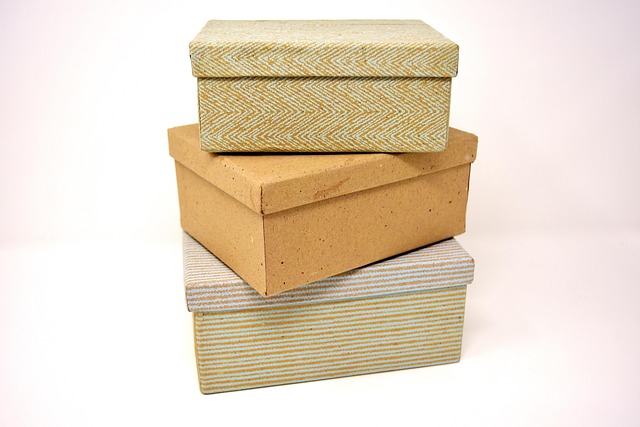
Food Packaging Trends 2026: Sustainability, Digital Innovation & Consumer-Centric Solutions
Sustainable food packaging is moving from niche innovation to global standard. By 2026, the industry will be defined by renewable materials, digital traceability, and consumer-driven transparency. Companies that integrate eco-conscious design with smart technologies and scalable affordability will lead the market. The shift is not just regulatory but strategic—brands are aligning packaging with ESG goals and circular economy frameworks to meet both environmental and economic demands.
Emerging Trends in Sustainable Food Packaging for 2026
The next phase of packaging evolution focuses on reducing waste and embedding intelligence within every layer of the supply chain. Manufacturers are rethinking materials, lifecycle management, and digital engagement to meet sustainability targets without compromising performance.
The Shift Toward Eco-Conscious Design
Packaging producers are increasingly turning to renewable feedstocks such as sugarcane pulp, bamboo fiber, or algae-based biopolymers. These materials decompose naturally and minimize landfill accumulation. Governments continue to restrict single-use plastics through global policy frameworks that push companies toward recyclable or compostable options. Circular economy principles further influence design thinking—every component must either return safely to nature or re-enter production cycles as secondary raw material.
Integration of Smart and Digital Packaging Technologies
Digitalization is transforming how packaging interacts with logistics systems. Blockchain-based tracking enhances transparency across the supply chain, verifying origin and sustainability credentials. QR codes now act as digital passports, offering consumers instant access to recycling instructions or carbon footprint data. Meanwhile, sensor-embedded films can detect spoilage gases or temperature changes, extending shelf life and reducing food waste before it reaches retail shelves.
The Role of Innovative Packing Solutions in Sustainability
Innovation in packing solutions is reshaping how brands achieve eco-efficiency while maintaining product protection. Material science advances combine with structural engineering to deliver lighter, stronger, and more recyclable formats suitable for mass-market adoption.
Material Advancements Driving Eco-Efficiency
Plant-based polymers derived from corn starch or cellulose are replacing petroleum-based plastics in flexible packaging applications. Compostable films allow safe degradation under industrial conditions while maintaining barrier properties against moisture and oxygen. Recyclable mono-materials simplify sorting at recycling facilities since all layers share identical polymer composition. Lightweight bottle designs have reduced transportation emissions by over 20% in some beverage sectors without sacrificing durability.
Packaging Optimization Through Design Engineering
Design engineers focus on modularity—creating adaptable formats that fit multiple product sizes using fewer materials per unit. Advanced sealing systems prevent leaks and preserve freshness longer than traditional heat seals, reducing post-consumer waste rates. Structural innovations like snap-fit closures or foldable trays enhance recyclability by eliminating mixed-material adhesives that complicate recovery processes.
Consumer-Centric Approaches Shaping Packaging Strategies
Consumers now drive sustainability decisions as much as legislation does. Brands that communicate authenticity through visible eco-labeling or transparent sourcing gain trust quickly in competitive markets.
Evolving Consumer Expectations Around Sustainability
Today’s shoppers expect clarity about where packaging materials come from and how they should be disposed of after use. Clear labeling builds credibility at the point of sale and supports informed decision-making. Social media amplifies these expectations—viral posts about poor recycling practices can damage brand reputation overnight, while positive examples create loyal advocates for sustainable products.
Balancing Affordability with Environmental Responsibility
Cost remains a key barrier for large-scale adoption of green materials. Yet affordable alternatives like recycled paperboard align perfectly with the “cheap household essentials” category many consumers prioritize during economic uncertainty. Scalable manufacturing processes reduce per-unit costs as demand grows, making sustainable packaging viable even for low-margin goods. Collaborative efforts between suppliers and retailers further lower expenses through shared innovation pipelines.
Regulatory Pressures and Industry Standards Influencing Change
Governments worldwide are tightening rules around recyclability targets and producer accountability. Compliance has become both a legal requirement and a competitive differentiator for companies seeking cross-border market access.
Global Policy Developments Impacting Packaging Design
The European Union’s upcoming directives set minimum recycled content thresholds for all plastic packaging by 2026, while North American regulators follow similar trajectories emphasizing circularity metrics. Extended Producer Responsibility (EPR) schemes make brands financially responsible for collection and recycling outcomes of their products. Adhering to ISO-compliant labeling standards ensures smoother entry into international markets by harmonizing environmental communication symbols across regions.
Corporate Sustainability Goals Aligning with 2026 Targets
Major corporations now embed packaging performance indicators within ESG reporting structures to track progress toward carbon neutrality goals. Lifecycle assessments (LCA) guide investment choices by quantifying environmental trade-offs between different material options or production methods. Industry alliances accelerate adoption of standardized measurement tools so that sustainability claims remain credible under third-party verification systems.
The Future Outlook: Integrating Technology, Materials, and Consumer Insight
By 2026, convergence between digital analytics, advanced biomaterials, and behavioral science will define the next generation of sustainable food packaging systems.
Predictive Analytics in Packaging Development
Artificial intelligence models simulate how new materials perform under various storage conditions before physical prototypes exist, saving time and resources during R&D phases. Data analytics forecast consumer reactions to novel sustainable formats based on historical purchase behavior patterns across demographics. Machine learning continuously refines design parameters such as thickness or barrier strength to balance cost efficiency with ecological performance.
Building a Circular Ecosystem for Food Packaging by 2026
A fully circular ecosystem requires collaboration among manufacturers, recyclers, retailers, and policymakers alike. Investment in regional composting facilities supports large-scale processing of biodegradable packages into usable soil nutrients instead of landfill waste. Closed-loop recycling networks enable recovered polymers from used containers to feed directly back into new product lines without quality loss—a crucial step toward genuine resource circularity.
FAQ
Q1: What materials will dominate sustainable food packaging by 2026?
A: Plant-based polymers like PLA, cellulose films, and recycled paperboard will lead due to their biodegradability and compatibility with existing recycling streams.
Q2: How do smart labels improve sustainability?
A: Smart labels provide traceability data such as origin verification or end-of-life instructions via QR codes, helping consumers recycle correctly while reducing contamination rates.
Q3: Why is mono-material design important?
A: Mono-material structures simplify sorting during recycling because they contain only one polymer type instead of layered composites that require separation.
Q4: How can brands manage costs when switching to eco-friendly packing solutions?
A: Using recycled substrates for cheap household essentials combined with supplier partnerships helps distribute R&D expenses across larger production volumes.
Q5: What role does regulation play in shaping future packaging trends?
A: Regulatory frameworks like EPR laws compel producers to fund waste management systems, driving innovation toward recyclable content targets set for 2026 compliance levels.