How Can Disposable Food Packaging Help Food Brands Ship Safely and Sell Smarter?
Why Does Disposable Food Packaging Matter More Than It Looks?
If you sell takeout meals, frozen snacks, bakery items, or ready-to-heat trays, disposable food packaging is not just another purchasing item. It keeps food in good shape, helps stop sauces from leaking into the bag, and gives customers their first real contact with your brand. A good meal can still lose the next order if the lid comes loose in the car. It sounds small, but it happens often enough.
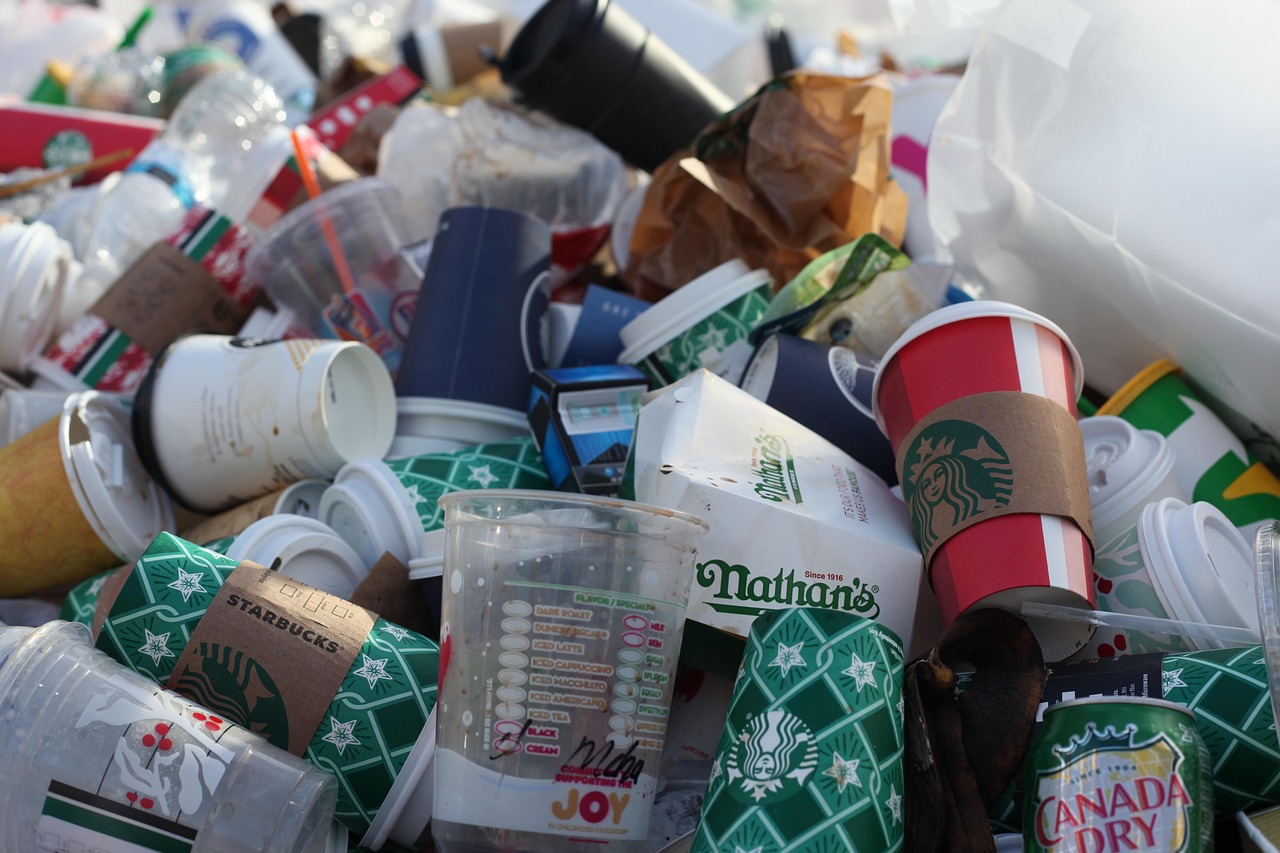
Packaging also ends up in a large waste stream, so buyers now ask more direct questions about materials and disposal. The U.S. EPA’s 2018 Facts and Figures reported 82.2 million tons of containers and packaging in U.S. municipal solid waste, equal to 28.1% of total generation. That does not mean brands should avoid packaging. It means each tray, cup, lid, wrap, and carton should have a clear job. (epa.gov)
Food Safety at the First Touch
Your package touches the food before the customer does, so material choice cannot be treated casually. For the U.S. market, the FDA explains that substances expected to migrate from packaging into food are handled as food contact substances and reviewed for safe use. Because of that, suppliers should give clear food-contact documents, not loose sales wording. Buyers should also check that the document matches the actual cup, lid, tray, coating, or film being ordered. (fda.gov)
Portion Control for Faster Service
Standard sizes help kitchens work faster during busy hours. A soup shop may use 8 oz, 12 oz, and 16 oz cups to match menu pricing without weighing every order. For a lunch counter, that saves time and reduces overfilling. It also makes carton planning easier when the buyer orders by the case.
Brand Feel in a Customer’s Hand
Customers notice simple details, even when they do not talk about them. A firm salad bowl, a clear anti-fog lid, or a clean kraft box can make a low-priced meal feel better handled. This is not about fancy branding. It is basic trust, and that trust often starts while the customer is carrying lunch back to the office.
Which Materials Fit Hot, Cold, Greasy, or Frozen Foods?
No single material works for every menu. Hot soup, sushi, fried chicken, chilled fruit, and frozen dumplings all put different pressure on the package. Before comparing prices, match the material to food temperature, oil level, moisture, shelf time, and delivery distance.
Paperboard and Molded Fiber for Dry or Light-Oil Meals
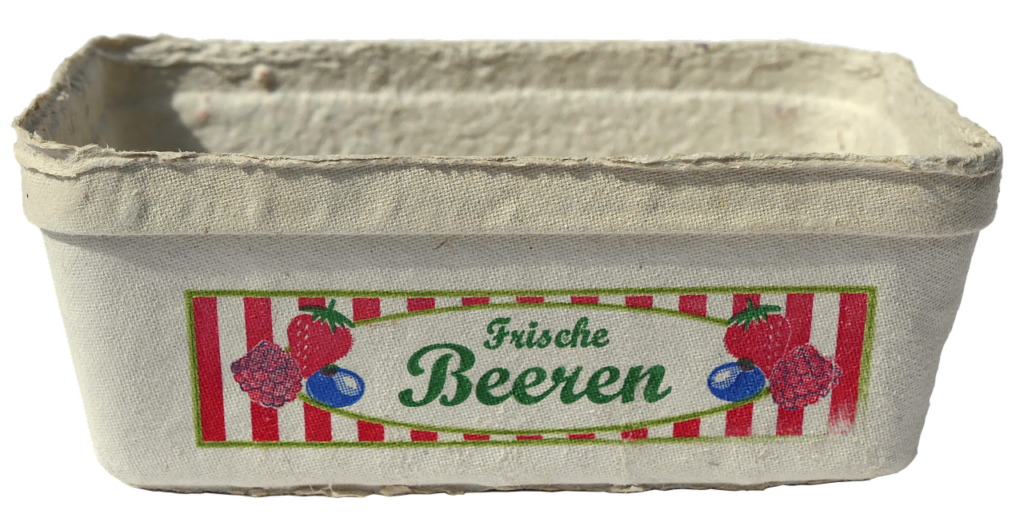
Paperboard boxes and molded fiber trays are often used for bakery items, burgers, rice meals, and dry snacks. They give a natural look and stack well in storage and delivery bags. For saucy or greasy dishes, ask about coating type and grease resistance before placing the order. A paper box can look fine on a shelf but still fail with curry sauce after twenty minutes.
PP and PET for Clear Lids and Cold Displays
PP is often chosen for hot-fill items and microwave-friendly containers when the grade allows it. PET is common for cold salads, fruit cups, deli items, and clear display lids. Do not assume every clear plastic can take heat. Always check the stated temperature range on the supplier’s sheet and test it with the real food if possible.
Aluminum and Coated Paper for Heat and Grease
Aluminum trays suit baked meals, roasted foods, and some airline-style portions because they handle heat well and keep their shape. Coated paper cups and bowls are widely used for soup, noodles, and ice cream. The material name alone does not decide the result. The rim, seal, lid fit, and coating all affect how the package works in daily use.
How Can You Balance Price, Performance, and Sustainability?
The cheapest package is not always the lowest-cost package in real operation. If a weak lid causes refunds, stains delivery bags, or brings bad online reviews, the small unit saving disappears quickly. Sustainability claims also need careful handling. The OECD’s 2022 Global Plastics Outlook reported global plastic waste rose from 156 Mt in 2000 to 353 Mt in 2019, with packaging making up 40% of plastic waste. That gives buyers a clear reason to ask for lighter formats, cleaner material streams, and packaging that is easier to recover where systems exist. (oecd.org)
Unit Cost Is Only the First Line
Do not look at the tray price alone. Add the lid, sleeve, label, inner bag, carton, pallet space, and possible damage rate. A container that costs a little more can still be the better buy if it cuts leakage or helps staff pack meals faster. In food service, a few seconds per order can matter during the noon rush.
Right-Sizing Cuts Waste and Freight
Oversized packaging uses more material and can make the food look smaller. It also fills cartons with air, which raises storage and freight costs. A practical packaging range may use one family of bowls, two lid styles, and shared cartons. It may look plain on a spreadsheet, but it makes reordering and stock control much easier.
Clear Disposal Claims Reduce Buyer Pushback
Recyclable, compostable, biodegradable, and reusable do not mean the same thing. Buyers may ask where the package can actually be processed after use. If there is no reliable public data for a local disposal route, say so in the product notes. Clear and limited claims usually cause fewer problems than broad green wording.
What Should Importers Check Before Placing Bulk Orders?
Importers need more than attractive photos. Bulk packaging orders should be checked as food-contact products, shipping products, and retail-facing products at the same time. Documents, samples, loading plans, and packaging artwork all need review before the deposit is paid.
Food-Contact Documents Matched to the Material
Ask for food-contact declarations, test reports, and material descriptions that match the exact item. A report for a PP cup does not cover a PET lid, and a paperboard report may not cover a new coating. If your market needs FDA, EU, LFGB, or other proof, confirm it before artwork starts. This saves time because changing material or coating after printing approval can delay the full order.
Samples Tested with Real Menu Items
Put real food in the sample, not only water or empty air. Use hot oil, tomato sauce, vinegar dressing, ice cream, or steam, depending on your menu. Leave it for the actual delivery time, then shake the bag lightly to copy normal handling. This is not a laboratory test, but it quickly shows weak rims, soft bases, foggy lids, and poor stacking.
Carton Strength and Pallet Plans
Cases should protect products through warehouse moves, sea freight, and last-mile handling. Check carton weight, compression strength, bagging method, and pallet height before approving the packing plan. A cup that arrives oval instead of round is not useful anymore. For export orders, carton design can be just as important as cup design. See also: Eco Packaging.
How Does Disposable Food Packaging Support Export and Private Label Work?
For export buyers and private label brands, packaging has two main jobs. It must work with the food, and it must stay consistent across repeat orders. Color, size, lid fit, barcode space, and carton marks all affect how smoothly a buyer can sell through retail, food service, or online channels.
Print Area That Matches Shelf Reality
Printed cups, sleeves, and boxes should leave enough space for nutrition labels, batch codes, language stickers, or distributor marks. A design that looks good on a flat file may be hard to use on a curved cup. Good artwork planning leaves room for the information that is needed in real selling. It also helps the buyer avoid last-minute sticker changes at the warehouse.
Stable Specs for Repeat Orders
Private label customers usually want stable dimensions. If a lid changes by a very small amount, it may no longer fit the bowl from an earlier shipment. Keep specification sheets, approved samples, and revision notes for every order. These small records prevent large disputes later, especially when several factories or molds are involved.
Mixed Packaging Lines for Different Channels
A food brand may need kraft bowls for cafes, clear PET packs for retail chillers, and microwave PP boxes for meal prep delivery. Matching the line style across materials makes the brand look more consistent to buyers and end users. It also lets buyers test one channel without changing the whole packaging family. That is useful when a brand is still checking demand in a new market.
What Regulations and Buyer Trends Should You Watch in 2026?
Rules are moving toward safer chemistry, clearer recycling design, and less packaging waste. If your products enter the EU, the Packaging and Packaging Waste Regulation entered into force on February 11, 2025, and generally applies from August 12, 2026. The European Commission says all packaging on the EU market should be recyclable in an economically viable way by 2030. Buyers are likely to ask about these points earlier, even before every rule is fully active. (environment.ec.europa.eu)
Recyclability Is Becoming a Design Requirement
Recyclability is no longer only a marketing word. Buyers may ask whether a package uses mixed materials, dark colors, heavy coatings, or labels that make sorting harder. For disposable food packaging, a simpler structure can be easier to explain and easier for buyers to approve. It can also reduce back-and-forth during supplier qualification.
Safer Chemistry Is a Buying Question
Grease resistance, anti-fog coatings, inks, and adhesives can all raise buyer questions. You do not need to turn every sales call into a chemistry lesson. Still, you should know what contacts food, what contacts only the outside surface, and which documents prove the intended use. This is especially important for printed items and coated paper products.
Proof Beats Broad Green Claims
Serious buyers trust proof more than slogans. Give them material specs, test reports, disposal notes, packing photos, and case dimensions. If you cannot verify a claim from reliable public data or a supplier report, do not print it on a carton. That simple habit can prevent claims issues after the goods arrive.
FAQ
Q1: What Is the Best Material for Disposable Food Packaging? A: The best material depends on the food. Use PP for many hot or microwave-ready meals, PET for cold display packs, paperboard for dry or light-oil foods, molded fiber for natural-look trays, and aluminum for heat-heavy items. Always test with your actual menu before a bulk order.
Q2: Can Disposable Food Packaging Be Both Low-Cost and High-Quality? A: Yes, but only when the size, lid, carton, and material match the job. A low-cost pack that leaks becomes expensive in real use. A simple and stable design usually gives better value than a complicated design with weak performance.
Q3: What Documents Should Importers Ask Suppliers to Provide? A: Ask for material declarations, food-contact test reports, product specifications, carton details, and artwork files when printing is needed. The documents should match the exact item, not a similar product from another line.
Q4: Is Compostable Packaging Always Better Than Plastic Packaging? A: Not always. Compostable packaging works best where proper composting facilities accept it. In some markets, recyclable plastic or paperboard may be easier to collect. The better choice depends on food type, local disposal systems, and buyer rules.
Q5: How Can You Reduce Risk Before a Large Packaging Order? A: Approve pre-production samples, test them with real food, check lid fit after heat or cold exposure, review documents, and confirm carton strength. For printed items, approve both the digital file and a physical print sample before mass production.