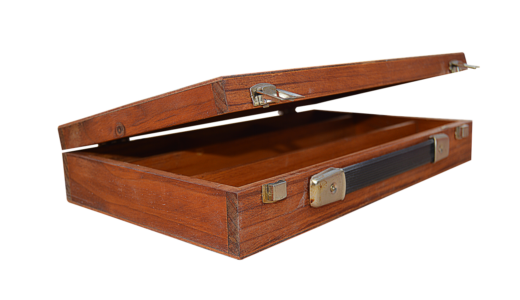
How Can You Choose Reliable Wooden Packaging Boxes Manufacturers?
If you buy from wooden packaging boxes manufacturers for machinery parts, glassware, electrical goods, or other light industrial products, the box is part of the order risk. It protects the cargo, affects customs clearance, changes freight cost, and may stop a costly claim when the shipment reaches the buyer. This Buyer’s Guide gives you a workable way to check suppliers before you pay a deposit.
A capable wooden box supplier should ask about product weight, lifting points, export treatment, inner protection, and container loading. If the first reply is only a square meter price, take more time before moving ahead. A lower total cost often comes from fewer broken goods, cleaner documents, and a crate that matches the real transport route.
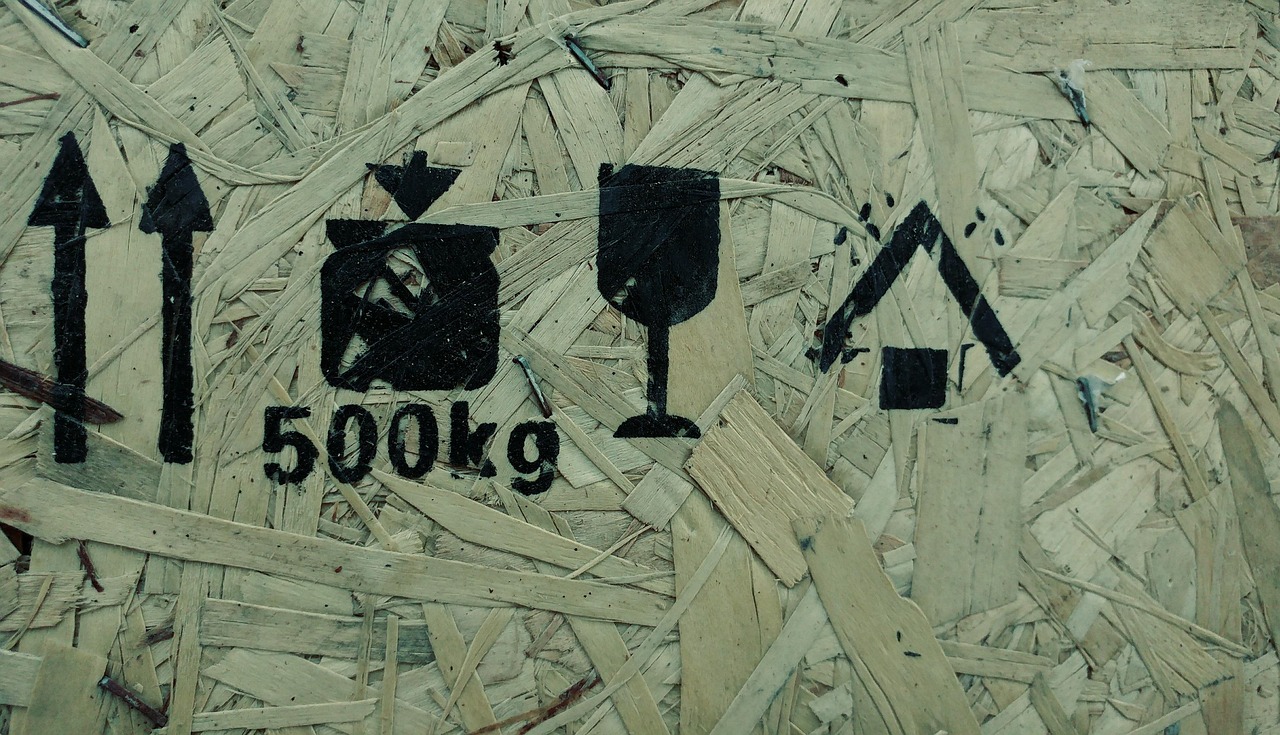
Why Do Wooden Packaging Boxes Manufacturers Matter for Export Buyers?
For export buyers, wooden packaging sits between product design and logistics. A strong crate can still fail if the base cannot handle forklift impact. A neat box can still be stopped if treatment marks are missing. Global shipping is large, busy, and not always predictable. The World Bank and S&P Global Market Intelligence reported that their 2023 Container Port Performance Index used data from more than 182,000 vessel calls, 238.2 million moves, and about 381 million TEUs, while also noting that more than 80% of merchandise trade is transported by sea. That is why packaging choices need more attention than many buyers give them at the start. (worldbank.org)
Export Risk Sits in the Box, Not Only the Product
If a product arrives cracked, rusted, wet, or bent, the customer usually does not separate the product from the packaging. You may have made a good item, but the buyer receives one failed delivery. For fragile light industrial goods, ask the manufacturer how the box deals with stacking, vibration, side pressure, and small drops during warehouse handling.
Custom Crates Fit Real Handling Routes
A crate for local truck delivery is not the same as a crate for sea freight, inland rail, and final forklift unloading. Give the supplier the route, product center of gravity, gross weight, and whether the goods will be lifted from two sides or four sides. These details change the structure. A 12 mm plywood panel may suit one product, while another may need thicker plywood, stronger battens, or a skid base.
Stable Supply Beats One Low Quote
A low unit price can look good on the first order. For repeat shipments, stable lead time, consistent board quality, and clear photos before loading are usually more useful. A supplier that keeps the same structure across 10 batches makes warehouse work easier. It also reduces rushed changes before loading day.
What Should You Check Before Comparing Prices?
Before you compare prices, check whether every quotation describes the same box. Many quotes look different because one supplier includes heat treatment, corner protection, foam lining, and export marking, while another only prices a bare wooden case. Put the basic technical points in writing first. After that, the numbers are easier to read.
ISPM 15 Marking and Treatment Records
For international shipments, compliance comes first. The International Plant Protection Convention describes ISPM 15 as a system for managing pest risks linked to wood packaging material in trade, including treatment options and marking controls. USDA APHIS also states that wood packaging material entering or transiting the United States must be pest-free, debarked, heat-treated or fumigated, and marked with an ISPM 15 logo; its listed WPM examples include crates, boxes, cases, bins, pallets, skids, reels, drums, load boards, and dunnage. (ippc.int)
Wood Species, Moisture, and Panel Choices
Ask what material will be used, not only whether it is wood. Pine, poplar plywood, LVL, OSB, and mixed solid wood behave in different ways. Moisture control matters for metal goods, coated parts, and electrical products. If the product is sensitive to smell or stain, mention it before production. Choosing cleaner panels early is cheaper than arguing after packing is finished.
Load Design for Forklifts, Containers, and Shelves
A wooden packaging box should match the way it will be moved. Check bottom runners, fork opening height, nail pattern, and whether the base spreads weight evenly. For long products, the box may need cross braces. For heavy compact products, the base may be more important than the side wall. A clear drawing should show these points without guesswork.
How Do You Judge Quality Before Mass Production?
Quality control should start before the first full batch. Photos help, but they are not enough on their own. You need drawings, sample checks, and a simple acceptance method that both sides can follow. This is not special paperwork. It is the plain routine that stops a container from waiting while people argue about a missing skid.
Drawings with Inside Dimensions and Tolerances
Inside size matters more than outside size when the product must fit tightly. Ask for length, width, height, clearance, panel thickness, runner size, and tolerance. If the product uses foam, corner blocks, VCI bag, or desiccant, show where each item sits. A simple top view and side view can prevent many packing mistakes.
Sample Testing with Real Product Weight
If the shipment value is high, test one sample box with the real product or a dummy load of the same weight. Lift it, move it, stack it if stacking is planned, and open it after the test. Check for loose nails, cracked runners, crushed foam, and panel movement. A phone video from the supplier can help, but a third-party check is safer for high-value cargo.
Packaging Photos, Labels, and Batch Records
Ask for pre-shipment photos of the empty box, inner protection, packed product, closed crate, marks, and container loading. Keep them with the purchase order. If a claim comes later, these records help show whether the issue started at packing, at the port, or after arrival. It is a simple habit, but many buyers skip it when the delivery date is close.
Which Cost Factors Change the Final Wooden Box Price?
Wooden box pricing is not only material cost. It also includes board yield, labor time, hardware, treatment, packing speed, and shipping volume. In 2023, FAO reported a broad slowdown in forest products: global sawnwood production fell 4% to 445 million m³, and international sawnwood trade fell 8% to 129 million m³. For buyers, the point is simple. Wood supply and price can move, so a quote should show material details and validity date, not only a rounded price. (fao.org)
Material Yield and Board Thickness
Thicker wood costs more, but weak wood can cost much more after damage. The right choice depends on product weight, crate span, stacking plan, and transport route. Ask the supplier why a certain thickness is used. A practical answer should talk about load and structure, not only old habit.
Hardware, Cushioning, and Labor
Hinges, steel strips, nails, screws, handles, foam, film, VCI bags, and desiccants all affect the final price. Labor also changes with the design. A knock-down crate may save freight space, but it needs assembly time at packing. A fully assembled case may cost more to ship empty, yet it can help a busy packing line move faster. See also: Food Packaging.
Freight Volume and Knock-Down Design
For international sourcing, box volume can push up cost more than some buyers expect. If you buy empty boxes from overseas, ask whether the supplier can ship them flat-packed. If the supplier packs your goods before export, ask for a container loading plan. Ten centimeters of wasted height across many crates can become real money.
How Can You Build a Safer Purchasing Process?
A safer process does not have to be slow. It needs a shortlist, a practical RFQ, and a pilot order before full production. Treat the packaging supplier as part of the supply chain. Do not leave the box decision to the last few days before shipment.
Shortlist Makers by Market Fit
Choose suppliers that already handle products close to yours. A maker that packs glass display shelves may understand surface protection well. A maker that packs pumps or motors may be better with skids and bolts. Ask for non-confidential project photos in the same weight range. Real job photos tell you more than a clean brochure.
Ask Practical Questions in One RFQ
Your RFQ should include product size, net weight, gross weight target, destination country, loading method, stacking needs, moisture concerns, labeling, and order forecast. Also ask for production lead time, sample lead time, treatment certificate process, and photo inspection steps. A complete RFQ cuts repeated messages. It also makes supplier replies easier to compare side by side.
Start with a Pilot Order
For a new supplier, start small when the schedule allows. A pilot order shows whether the drawing, material, packing speed, and communication match what was promised. Watch how the team replies when you ask a detailed question. Good suppliers do not get nervous about details; they answer, adjust, and keep records.
What Trends Should Buyers Watch in Wooden Packaging?
Wooden packaging is an old product, but the buying conditions keep changing. Compliance checks are easier to see, customers care more about waste, and logistics teams want boxes that fit automated warehouses and tight container plans. That does not make wood outdated. It means the supplier needs better process control.
Compliance Gets More Visible
Importers, brokers, and customs teams now check treatment marks, country codes, and facility numbers more carefully. If your goods move through several countries, one missing mark can delay the shipment. Keep treatment documents, photos of marks, and supplier accreditation details in the order file. These records are useful when a broker or customer asks questions later.
Forest Product Supply Still Moves
Wood prices can change with construction demand, mill output, energy cost, and freight. Long-term buyers often agree on a price review method instead of fixing a risky price for too long. For seasonal products, book packaging capacity early. A crate factory can be busy at the same time your product line is rushing to ship.
Recycling Supports Circular Logistics
Wooden pallets and crates can often be repaired, reused, chipped, or made into other wood products after service. A Pallet Foundation release in 2018 cited preliminary Virginia Tech research showing that 95% of wooden pallets were being recycled, based on landfill-site disposal research in the United States. That figure is pallet-specific and market-specific, so do not apply it blindly to every country or every crate type. Even so, it shows why design for repair and easy separation can support a cleaner logistics loop. (palletfoundation.org)
FAQ
Q1: What Information Should You Send to Wooden Packaging Boxes Manufacturers First? A: Send product dimensions, weight, photos, destination country, shipping method, stacking plan, lifting method, moisture concerns, and any label or barcode needs.
Q2: Do All Export Wooden Boxes Need ISPM 15 Treatment? A: Solid wood packaging used in international trade commonly needs ISPM 15 treatment and marking, while some processed wood materials may be treated differently by local rules. Always check the destination requirement before shipment.
Q3: Is Plywood Better Than Solid Wood for Export Boxes? A: It depends on the load and route. Plywood gives a clean panel surface and stable size, while solid wood can give strong runners and frames. Many export boxes use both.
Q4: How Can You Reduce Wooden Box Cost Without Raising Damage Risk? A: Improve the drawing, remove wasted space, choose the right panel thickness, use flat-pack design when suitable, and avoid overbuilding parts that do not carry load.
Q5: What Is the Biggest Warning Sign When Choosing a Supplier? A: Be careful if the supplier gives a price without asking about weight, route, lifting method, treatment, or inner protection. That usually means the quote is incomplete.