How Can You Reduce Shipping Cost Without Slowing Down International Orders?

Why Does Shipping Cost Change So Much?
Shipping cost is not only one freight line on a quote. It comes from the route, cargo size, service speed, customs setup, fuel, season, and how your cartons fit on a pallet. If you import light industrial goods, it helps to check freight during product planning, not after production is finished. For more related guidance, visit the Shipping section.
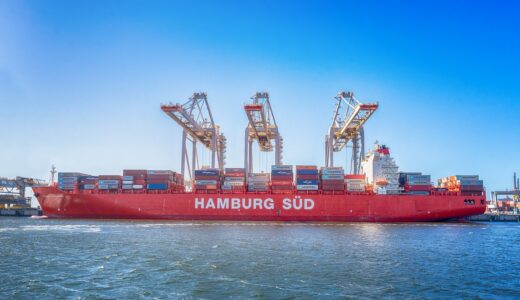
There is also a market reason behind it. The International Chamber of Shipping says about 90% of world trade is carried by the international shipping industry, so small changes in vessel space, ports, or fuel can affect your quote. The World Bank Logistics Performance Index 2023 also reported that, across possible trade routes, an average of 44 days passed from when a container entered the export port until it left the destination port. In short, price and time move together, and cheap freight that adds risk may cost more later. (ics-shipping.org)

Route Demand and Vessel Space
Ocean rates change when many importers book the same lanes at the same time. In its World Container Index update dated 16 July 2026, Drewry reported Shanghai to Los Angeles at $6,272 per 40ft container, down 3%, while Shanghai to New York stayed at $7,879. It also noted nine blank sailings scheduled on the Transpacific route the following week. For a buyer, a quote is not only distance plus fuel; it also depends on space, vessel schedules, and carrier choices. (drewry.co.uk)
Weight, Volume, and Chargeable Size
Carriers bill by the larger chargeable size, not always the real scale weight. A carton of light plastic parts may weigh 8 kg, but after dimensional weight is used, it may be charged like a 25 kg carton. This is why two suppliers can ship the same product with very different freight costs. The goods may be the same, but the carton design may not be.
Fuel, Season, and Local Port Fees
Fuel surcharge, terminal handling, document fees, security fees, pickup, delivery, and port congestion charges can all change the final bill. Peak season can add more pressure because space gets tight and carriers have less room to discount. A quote that looks low at first may leave out destination fees. It is basic paperwork, but checking the small lines can save real money.
Which Shipping Cost Items Should You Ask For Up Front?
A clear freight quote should show what is included, what is not included, and how long the price is valid. If it does not show these points, ask before the shipment leaves the factory. Once cargo is on the water, there are fewer ways to fix the cost.
Main Freight and Minimum Charges
Main freight is the port-to-port or airport-to-airport cost. For LCL cargo, there may be a minimum charge of one cubic meter even if your shipment is smaller. For courier parcels, the minimum billed weight may also apply. When you compare suppliers or forwarders, use the same cargo weight, dimensions, and carton count format each time.
Origin and Destination Local Charges
Origin charges may include export clearance, trucking to port, warehouse handling, and bill of lading fees. Destination charges may include terminal handling, customs entry, delivery order, exam fees, and final trucking. These local charges often decide whether a quote is actually cheap or only looks cheap on the first page. If they are not listed, ask the forwarder to confirm them in writing.
Customs, Duties, and Trade Terms
Incoterms decide who pays each cost and who takes each risk. The International Chamber of Commerce states that Incoterms 2020 contains 11 rules that allocate cost, risk, and obligations. ICC guidance also notes that DDP gives the seller the maximum level of responsibility, including import duty and applicable taxes. So, if you compare FOB against DDP, you are not comparing the same deal. (iccwbo.org)
Is Ocean Freight, Air Freight, or Express Better for Your Order?
The right mode depends on order value, urgency, carton size, and the cost of delay. There is no single best choice for every order. A slow container can work well for regular stock, while a small urgent batch may need air freight. The right decision is the one that protects margin and keeps the delivery promise.
Ocean Freight for Heavy or Planned Cargo
Ocean freight usually fits heavy, bulky, or repeat orders. For light industrial products such as packaging, hardware, plastic goods, small machines, or household items, full container load can lower the per-unit freight cost when volume is stable. LCL works for smaller orders, but destination fees can feel high when the shipment is only a few cartons. This is why buyers should check the full landed cost, not only the ocean freight line.
Air Freight for Urgent and High-Value Goods
Air freight can make sense when the goods are compact, valuable, or needed quickly for a production line. IATA reported on 29 January 2025 that global air cargo demand in 2024 rose 11.3% from 2023, capacity rose 7.4%, and yields averaged 39% above 2019 levels. The market message is clear: air cargo demand stayed strong, partly helped by e-commerce and ocean shipping restrictions. For buyers, the point is also clear: use air freight with care, because speed comes with a higher price. (iata.org)
Express Parcel for Small Cartons
Express works well for samples, replacement parts, documents, and small trial orders. It is fast and easy to arrange, but weak packaging control can make it expensive. A large half-empty carton can be billed like a much heavier parcel. If you send samples often, keep a few standard carton sizes and record the billed weight after each shipment.
How Can Packaging Lower Shipping Cost?
Packaging is one of the cost areas you can still control before the forwarder gets involved. A carton that protects the product and wastes less air space can lower freight, reduce damage, and make warehouse handling easier.
Smaller Cartons and Better Pallet Fit
Start with the master carton. If a product can fit safely in a carton that is 5 cm shorter, it may not look like much, but across 300 cartons it can remove several cubic meters. Pallet fit matters too. Odd carton sizes leave empty gaps, and empty gaps become paid space. For container shipping, small carton changes can sometimes make the loading plan cleaner.
Carton Strength That Prevents Repacking
Weak cartons can collapse during inland trucking or warehouse stacking. When that happens, the forwarder may repack the goods, add corner boards, or refuse unsafe loading. Better carton strength may add a little product cost, but it can prevent damage claims and surprise labor fees. For fragile or painted goods, add packing tests before the first bulk order, not after damage appears.
Consolidation Before Export
If you buy from several factories near the same region, consolidation can reduce repeated pickup and document fees. It can also help you build a better LCL or FCL shipment. The hard part is coordination. Cargo must arrive at the warehouse on time, with matching marks and paperwork. One late supplier can hold the whole shipment, and that matters when a vessel cutoff is close. See also: Food Packaging.
How Should You Compare Quotes Without Getting Trapped?
A freight quote is useful only when the base data is the same. If one forwarder quotes FOB Shanghai and another quotes door delivery to Chicago, the lower number does not tell you much. Build a simple comparison sheet and make every quote answer the same questions.
Same Route, Same Terms, Same Cargo Data
Use the same pickup city, loading port, destination port, delivery address, Incoterm, cargo value, carton count, gross weight, and cubic meters. Ask whether the quote is based on actual weight or dimensional weight. If a forwarder estimates volume, check it against the supplier packing list. This small check can stop a price gap from turning into an invoice dispute.
Transit Time and Cutoff Dates
A cheaper sailing may leave later, transship more, or arrive at a busy terminal. That may be fine for planned stock, but it is not fine for a retail launch, spare part, or seasonal order. Always ask for estimated departure, arrival, and cutoff dates. Put the dates beside the price, because time is part of the cost.
Validity Period and Surcharge Notes
Freight quotes can expire fast, especially during peak season. Ask whether fuel, peak season surcharge, port congestion, customs exam, duty, and final delivery are included. If the quote says subject to change, ask what may change and when. This sounds basic, but many disputes start with that one missing sentence.
What Practical Steps Cut Shipping Cost Before Booking?
Cost control works best before production is finished. Once cartons are packed, labels printed, and cargo booked, you can still negotiate, but the main savings are usually gone. Good shipping habits are simple, and they work because the team repeats them every time.
Build a Shipment Profile
For each product, keep a profile with unit weight, carton size, pieces per carton, carton gross weight, cubic meters per carton, pallet plan, HS code, and usual route. This lets you estimate freight before quoting your customer. It also helps you notice when a supplier changes packaging without telling you. If the profile is updated after each shipment, your next quote will be more accurate.
Plan Around Busy Weeks
Avoid booking at the last minute before major holidays, tariff deadlines, or retail peak periods. If goods can leave one or two weeks earlier, you may get better space and avoid rushed decisions. For repeat products, set a reorder point based on real transit time, not the best transit time you saw once. This is a small planning habit, but it keeps many urgent shipments away from air freight.
Keep a Simple Quote Table
Track forwarder, route, date, mode, transit time, inclusions, exclusions, and final invoice amount. After a few shipments, you will see the pattern. One forwarder may be strong on LCL but weak on express. Another may quote low freight and high destination fees. A table makes this clear without turning shipping into a full-time job.
FAQ
Q1: What Is the Fastest Way to Lower Shipping Cost? A: Reduce chargeable volume first. Smaller cartons, better pallet fit, and fewer half-empty boxes can lower the billed size without changing the product.
Q2: Is FOB Always Cheaper Than DDP? A: Not always. FOB only shifts more work and cost to the buyer. DDP may look higher, but it can include duty, tax, customs handling, and final delivery.
Q3: When Should You Choose Air Freight Instead of Ocean Freight? A: Choose air freight when delay costs more than the freight premium, such as urgent spare parts, high-value compact goods, or launch samples.
Q4: Why Does the Final Invoice Differ From the Quote? A: Common reasons include wrong carton dimensions, extra destination fees, customs exams, fuel surcharge changes, storage, or a quote that expired before booking.
Q5: How Often Should You Review Freight Rates? A: For regular international orders, review rates before every booking and compare broader trends monthly. Spot markets can move quickly, especially on busy lanes.