Are Eco Packaging Boxes Better Than Plastic Boxes for Export Brands?

Why Are Eco Packaging Boxes Becoming a Serious Export Choice?
Eco packaging boxes are no longer just a nice line in a sales deck. If you sell light industrial goods, gifts, home products, accessories, or small consumer items, the box is often checked before the product is used. A better material choice can help the sales pitch when it matches the product, the shipping route, and the way the end customer throws packaging away. For more material ideas, you can also explore the eco packaging category.
Packaging Waste Pressure Is Hard to Ignore
The waste figures give buyers a clear reason to ask more questions. The U.S. Environmental Protection Agency reported that containers and packaging made up 82.2 million tons of municipal solid waste in 2018, equal to 28.1% of total generation. The OECD Global Plastics Outlook also reported in 2022 that packaging accounted for about 42% of global plastic waste generated. This is why many buyers now ask about paper-based boxes, recycled content, smaller cartons, and end-of-life options that are easier to explain.
Buyers Now Read the Box as Part of the Brand
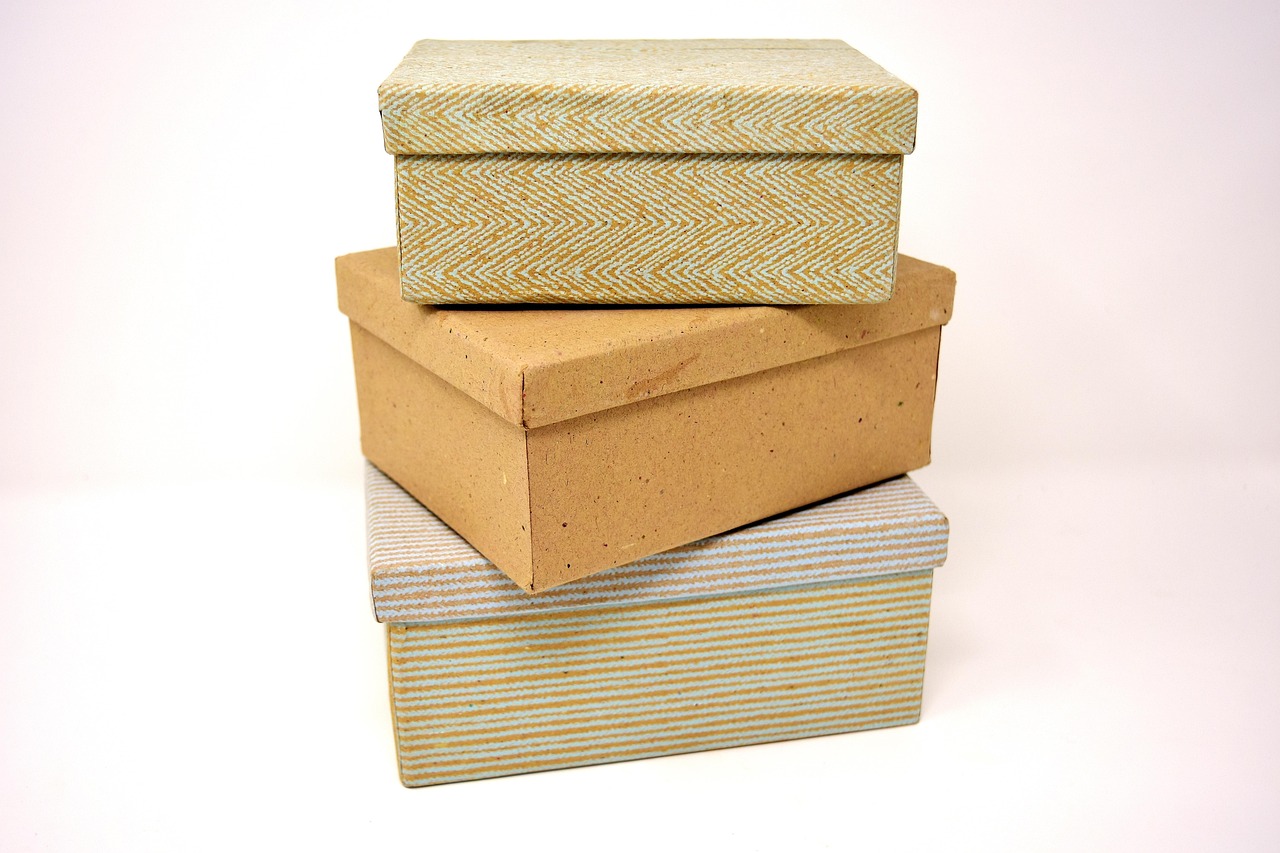
A plain brown mailer used to be seen as the low-cost choice. Today, it can look tidy, honest, and ready for export if the print is clean and the board feels firm. McKinsey’s 2025 U.S. Packaging Survey noted that U.S. consumers tend to see paper-based and glass packaging as more sustainable than many other options. For a brand selling through Amazon, Shopify, retail chains, or boutique importers, that view can affect the first impression. The box works like a small salesperson, even if it says very little.
Rules Are Moving From Nice to Have to Must Have
Regulation is also pushing export brands to look at eco packaging more seriously. The European Commission states that Regulation (EU) 2025/40 on packaging and packaging waste entered into force on February 11, 2025 and is scheduled to generally apply from August 12, 2026. One main direction is that packaging on the EU market should be recyclable in an economically viable way by 2030. Exporters do not need to panic, but clean records and better box design are becoming part of normal business.
What Materials Work Best for Eco Packaging Boxes?
One material does not suit every order. A candle set, a Bluetooth accessory, a ceramic cup, and a small metal part all need different packaging. In most cases, the best box is the one that protects the item, avoids too much mixed material, and gives your buyer a simple answer when they ask what it is made from.
Recycled Corrugated Board for Shipping Strength
Corrugated board is still the daily workhorse for export cartons and e-commerce mailers. It handles stacking, edge crush, and rough parcel handling better than many thin paperboards. The American Forest & Paper Association announced that in 2024, 69% to 74% of cardboard available for recovery in the United States was recycled. This does not mean every corrugated box is the right answer. It does show why corrugated systems are often a practical place to start.
FSC Certified Paperboard for Retail Presentation
For retail shelves, folding cartons, rigid gift boxes, and sleeve packaging, paperboard can give the product a neat front-end look. FSC certified paper or board helps show that fiber sourcing follows a recognized forest management chain. If your buyer asks for FSC, do not treat it as just a logo request. The supplier should provide valid chain-of-custody documents and correct invoice wording. If the FSC mark is printed on the package, label approval also needs to be checked before bulk production.
Molded Pulp and Compostable Inserts for Protection
Molded pulp trays are useful for cosmetics, electronics accessories, glassware, and small tools. They can replace foam in many orders and they feel more natural when the customer opens the box. Compostable inserts can also work, but the claim needs care. A compostable item is not always a better choice if the buyer’s market has no practical composting route. In many retail projects, a simple molded pulp tray with a corrugated outer box is easier for customers to sort. A fancy multi-layer pack may look better in a sample photo, but it can create more disposal questions.
How Can You Choose a Box That Still Protects Products?
A greener box that breaks during transit is not really green. Damage means returns, replacement shipments, extra packing, and unhappy buyers. Start with the weak points of the product, then choose the board grade, flute, insert, and closure style.
Right Sizing Reduces Empty Space
Oversized boxes look wasteful and they also raise shipping cost. A box that is 20 mm too tall may not sound serious, but it can increase void fill and push a parcel into a higher dimensional weight bracket. For small export goods, right sizing can cut paper use and make the unboxing feel less careless. Measure the product together with its inner protection. Do not measure only the bare item and then guess the final carton size.
Cushioning Must Match Real Transit Risk
Drop tests, vibration tests, and compression checks are not only for large electronics brands. A light home decor item can still crack if it lands on a weak corner. A common setup is an E-flute mailer for small goods, a B-flute or BC-flute corrugated carton for heavier orders, and molded pulp or paper pads where impact risk is high. The simple test table in the sample room can save a sales order later. It is not exciting work, but it often finds the problem before the buyer does.
Moisture and Oil Barriers Need Careful Claims
Paper does not handle water well. Food oils, humidity, sea freight, and warehouse storage can all weaken a box. Coatings can help, but some coatings reduce recyclability or create mixed-material issues. Ask whether the barrier is water-based, plastic-laminated, waxed, or bio-based. Also ask how it affects recycling in the target market. If no reliable public data supports a claim like ‘100% recyclable coating’, keep the wording modest.
Are Eco Packaging Boxes Costly or Can They Save Money?
Eco packaging does not always win on unit price. Sometimes the greener board costs more. The more useful number is landed cost per sellable product. That includes freight, damage, storage, packing time, brand value, and the time spent answering buyer compliance questions.
Lower Dimensional Weight in E-commerce Shipping
For parcel shipments, a smaller box can save more than a small discount on material. A compact mailer with the right board strength may reduce void fill, tape use, and carrier charges. The saving changes by shipping lane and carrier, so a fixed percentage is not reliable. Run a simple comparison with the current box size, proposed box size, gross weight, parcel rate, and expected damage rate. This gives the buyer a cost answer instead of a packaging opinion. See also: Food Packaging.
Fewer SKUs Through Smarter Box Families
Too many custom boxes create hidden cost in purchasing and storage. A smart box family may cover five or six product sizes with two or three structures. That keeps buying work easier and reduces dead stock when a product line changes. For exporters, it also helps the factory packing team. The fewer the box choices, the fewer the mistakes during a busy production week.
Clear Disposal Instructions Reduce Customer Friction
A box can be recyclable, but the customer may still be unsure what to do with it. Short disposal text is often enough: ‘Flatten box before recycling’, ‘Remove plastic window before recycling’, or ‘Paper tray, recycle where accepted’. These lines are not fancy, but they are useful. Avoid loose claims such as ‘earth safe’ or ‘green choice’ unless your buyer has approved that wording. Clear words are safer than big promises.
How Should Export Brands Check Suppliers Before Ordering?
A supplier can make a nice sample and still miss the mark in bulk production. Before you place a large order, check the paper source, printing method, glue, finish, tolerance, and packing plan. A few direct questions at the start can prevent a long email chain after the goods are finished.
Material Certificates and Chain of Custody
Ask for board specifications, recycled content statements, FSC documents if required, and test reports tied to the exact material. Do not accept a certificate for a different board grade as proof for your order. A certificate from a different factory is also not enough. If your buyer sells in the EU, the United States, or Japan, keep files organized by order number. Compliance paperwork is dull, but buyers like fast and clear answers.
Sample Testing Before Bulk Production
Test the sample with the real product inside. Check corner crush, print rub, barcode scanning, closure strength, and the feel of the opening flap. For gift packaging, check color under normal store lighting, not only under a factory lamp. For shipping boxes, stack them for a day and see whether the lower cartons deform. Small sample problems can become expensive when they are repeated across a container.
Honest Claims for Different Markets
Different markets treat packaging claims in different ways. ‘Recyclable’, ‘compostable’, ‘plastic free’, and ‘made from recycled material’ are not the same thing. If a claim cannot be backed by a standard, a certificate, or a clear public rule, soften it or remove it. No reliable public dataset can prove that every eco packaging box lowers total environmental impact in every use case. The safer approach is simple. Choose the lowest-impact box that still protects the product and can be disposed of in the right way.
FAQ
Q1: Are Eco Packaging Boxes Always Better Than Plastic Boxes? A: Not always. They are often better for recyclability and brand perception, but the right choice depends on product protection, moisture exposure, shipping distance, and local recycling systems.
Q2: What Is the Best Material for Eco Packaging Boxes? A: Recycled corrugated board is a strong choice for shipping. FSC certified paperboard works well for retail cartons and gift boxes, while molded pulp is useful for inserts.
Q3: Can Eco Packaging Boxes Handle International Shipping? A: Yes, if the board grade, flute type, insert design, and carton structure match the product weight and transit risk. Sample testing before bulk orders is still important.
Q4: Should You Print Sustainability Claims on the Box? A: Yes, but only when the claim is specific and supportable. Clear phrases such as ‘recycle this box where accepted’ are safer than broad claims like ‘100% green’.
Q5: How Can You Reduce Packaging Cost Without Looking Cheap? A: Right size the box, reduce empty space, use a small box family, and choose simple printing. A neat kraft box with clean artwork often looks better than a bulky box with heavy decoration.