Are Bubble Wrap Rolls for Packing Still Superior to Honeycomb Paper Solutions

Honeycomb Packing Paper vs Bubble Wrap: Benefits, Costs, & Use Cases
Protective packaging has shifted from plastic-heavy solutions to more sustainable paper-based designs. Between bubble wrap rolls for packing and honeycomb paper, both serve vital yet distinct roles. Bubble wrap remains unmatched in cushioning fragile or high-value goods, while honeycomb paper leads in eco-friendly credentials and cost efficiency for lightweight or retail packaging. For packaging professionals balancing protection and sustainability, the choice often depends on product fragility, brand image, and evolving environmental regulations.
Comparing Bubble Wrap Rolls and Honeycomb Paper in Modern Packaging
The evolution of protective materials reflects a broader trend toward sustainability without compromising performance. As e-commerce expanded globally, the demand for reliable yet eco-conscious packaging surged.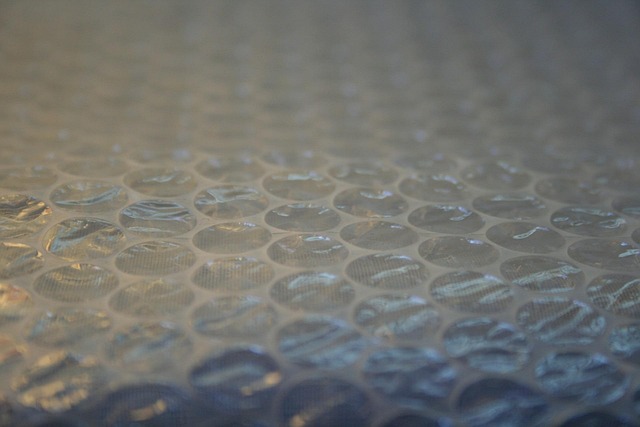
Evolution of Protective Packaging Materials
Packaging materials have evolved from simple corrugated boxes to complex multi-layered systems designed for both protection and branding. Early solutions prioritized durability over environmental impact. Today’s market demands recyclable and biodegradable options that still meet stringent shipping requirements.
Transition from Traditional Plastic-Based Cushioning to Paper-Based Alternatives
Traditional bubble wrap relies on polyethylene films that trap air within sealed pockets. This design offers excellent shock absorption but presents recycling challenges. Honeycomb paper emerged as a response—crafted from kraft paper cut into expandable hexagonal cells that mimic natural structures like beehives. The shift mirrors broader corporate moves toward circular economy principles.
Influence of E-Commerce Growth on Packaging Innovation
E-commerce growth has been a major catalyst for innovation in protective packaging. With millions of parcels shipped daily, lightweight and space-efficient materials became essential. Both bubble wrap rolls for packing and honeycomb paper now integrate automation-friendly designs to reduce labor time and improve packing consistency across fulfillment centers.
Material Composition and Structural Differences
Understanding how each material is built helps clarify its performance profile under real-world logistics conditions.
Bubble Wrap’s Polymer-Based Air Cushioning Versus Honeycomb Paper’s Kraft Structure
Bubble wrap consists of multiple layers of low-density polyethylene with trapped air bubbles forming cushions that absorb impacts. Honeycomb paper uses interlocking kraft layers forming a 3D lattice that distributes pressure evenly across surfaces, reducing localized stress points during transit.
How Each Material Absorbs Shock and Distributes Pressure During Transit
Bubble wrap disperses force through compression of air pockets, ideal for items with irregular shapes or delicate surfaces. Honeycomb paper absorbs energy through structural deformation; the hexagonal geometry collapses slightly under pressure then recovers shape, providing stable support without excessive bulk.
Durability, Flexibility, and Compression Resistance Under Various Shipping Conditions
Polyethylene-based wraps maintain flexibility even under humidity or temperature shifts but may puncture if overstressed. Kraft honeycomb resists tearing better than plain tissue but can lose rigidity when exposed to moisture unless treated or laminated. For long-distance shipments through mixed climates, hybrid use is common—bubble wrap inside, honeycomb outer wrapping outside.
Performance Analysis: Protection, Handling, and Efficiency
While both materials protect goods effectively, their performance diverges depending on product type and operational setup.
Shock Absorption and Impact Resistance
Testing shows bubble wrap provides superior cushioning for fragile electronics or glassware due to its high rebound rate after compression. Honeycomb paper performs well for moderate-impact goods such as cosmetics or apparel but may transmit more vibration if not layered properly.
Testing Results on Drop Resistance and Vibration Mitigation
Drop tests indicate that triple-layer bubble wrap can reduce impact forces by up to 60% compared with single-layer kraft padding. However, multi-ply honeycomb configurations narrow this gap significantly while offering better stack stability during pallet transport.
Suitability for High-Value or Delicate Product Categories
High-value sectors—optics, medical instruments, luxury glass—still favor bubble wrap rolls for packing because consistent cushioning prevents microfractures from repeated handling. Honeycomb paper suits mid-range consumer goods where brand sustainability messaging outweighs marginal protection differences.
Packing Efficiency and Operational Considerations
Operational efficiency influences total packaging cost more than material price alone.
Speed and Ease of Use in Manual and Automated Packing Lines
Bubble wrap dispensers allow quick tear-off sheets suitable for manual lines but less adaptable to automated systems due to static cling issues. Honeycomb expanders deliver continuous wrapping streams compatible with semi-automated setups, improving throughput in e-commerce warehouses.
Space Optimization in Storage and Shipping Logistics
Deflated bubble wrap occupies substantial storage volume compared with compressed honeycomb rolls that expand only when used. This compression ratio advantage lowers warehouse space requirements by nearly 40% in some operations.
Reusability Potential and Handling Ergonomics for Warehouse Staff
Bubble wrap can be reused several times if bubbles remain intact; however, once punctured its value drops sharply. Honeycomb paper maintains partial integrity after initial use and is easier to compact for recycling bins—an ergonomic plus for warehouse staff managing waste streams daily.
Cost Implications in Packaging Operations
Cost evaluation extends beyond purchase price; lifecycle expenses often reshape preferences between plastic-based and paper-based options.
Material Cost per Unit Volume
On average weight basis, bubble wrap costs slightly less per square meter than honeycomb paper but covers fewer cubic meters due to lower compressibility before use. Supplier pricing fluctuates with resin markets while kraft paper pricing tracks pulp costs influenced by global forestry supply chains.
Lifecycle Cost Analysis
Lifecycle costing includes procurement efficiency, disposal fees, recycling rebates, and labor time savings from faster wrapping processes. Many large-scale shippers report that switching partially to honeycomb reduced total packaging spend by up to 15% despite higher upfront unit prices because waste management costs fell substantially.
Environmental Impact Assessment
Sustainability metrics increasingly guide procurement decisions as regulatory scrutiny tightens across regions like the EU and North America.
Sustainability Metrics of Bubble Wrap Rolls for Packing
Bubble wrap’s main component—polyethylene—is derived from fossil fuels with significant carbon footprint during production. While technically recyclable under category #4 LDPE streams, contamination often prevents recovery at municipal facilities leading to landfill accumulation concerns among regulators.
Challenges in Recycling Polyethylene-Based Bubble Wrap Within Existing Waste Streams
Most curbside programs reject flexible films due to sorting limitations; specialized collection points are required but seldom accessible at scale. This limits true recyclability rates below 10% globally according to industry data compiled by ISO environmental committees.
Eco-Friendly Profile of Honeycomb Paper Solutions
Honeycomb kraft structures are fully recyclable within standard paper waste systems and biodegradable within months under composting conditions. Their renewable fiber base aligns closely with corporate ESG frameworks emphasizing reduced plastic dependency across supply chains.
Application Scenarios Across Industries
Each material finds niche strengths depending on sector needs—from industrial manufacturing to online retail fulfillment centers managing thousands of SKUs daily.
When Bubble Wrap Remains the Preferred Choice
Bubble wrap remains indispensable where micro-shock protection matters most: electronics assembly lines shipping sensitive boards or camera lenses requiring anti-static variants; glassware exporters facing long transit durations; precision instrument suppliers needing consistent cushioning thickness regardless of climate shifts.
Compatibility with Moisture-Sensitive or Irregularly Shaped Products
Its flexibility allows snug wrapping around uneven geometries without tearing—a clear advantage over rigid kraft layers when sealing oddly contoured products like sculptures or lab apparatus vulnerable to condensation damage during transport cycles.
Where Honeycomb Paper Excels in Practical Use
Honeycomb excels among eco-conscious retailers promoting sustainable branding through unboxing experiences free from plastics. Subscription box companies increasingly adopt it because it combines visual appeal with adequate cushioning while remaining easy for consumers to recycle domestically alongside cardboard cartons.
Technological Developments Influencing Material Choice
Advances in polymer science and papermaking continue reshaping both categories toward improved sustainability-performance balance.
Advances in Bubble Wrap Manufacturing Technologies
Manufacturers are introducing thinner yet stronger films using co-extrusion techniques that maintain air retention longer while reducing resin consumption per roll by nearly 25%. Recyclable bio-based polyethylene variants are also emerging though commercial adoption remains limited due to cost differentials against conventional petrochemical grades.
Emerging Trends in Paper-Based Cushioning Design
Paper engineers refine honeycomb geometry through digital die-cutting improving tensile strength-to-weight ratios enabling lighter wraps delivering similar shock absorption as thicker predecessors. Integration into automated wrapping machines now allows continuous feed operation matching throughput speeds previously achievable only with plastic films.
Strategic Considerations for Packaging Professionals
Decision-making increasingly requires balancing technical performance against sustainability expectations shaped by policy shifts and consumer sentiment alike.
Balancing Protection Performance with Sustainability Goals
Packaging managers evaluate trade-offs via internal scoring models weighing product fragility against carbon intensity per shipment unit. For example, a company shipping ceramics globally might justify continued use of recyclable-grade bubble film whereas local apparel brands prioritize fully compostable honeycomb solutions aligning with brand ethics statements filed under ISO 14001 compliance audits.
Future Outlook on Packaging Material Adoption Trends
Regulatory momentum points toward phasing out non-recyclable plastics within the next decade across major economies driving accelerated innovation in fiber-based cushioning technologies. Circular economy frameworks encourage closed-loop recovery systems ensuring both materials evolve toward higher recyclability rates supported by traceable sourcing documentation verified under international environmental standards like ISO 18604:2013 on material recycling efficiency evaluation methods.
FAQ
Q1: Which material offers better protection during long-distance shipping?
A: Bubble wrap provides superior shock absorption especially over extended routes involving multiple handling stages due to its air-cell structure maintaining consistent cushioning pressure levels throughout transit cycles.
Q2: Is honeycomb packing paper suitable for heavy industrial parts?
A: It can handle moderate weights effectively when layered properly but may not match polymer wraps’ puncture resistance needed for dense metal components unless reinforced designs are used.
Q3: Can both materials be recycled easily?
A: Honeycomb kraft is widely accepted in standard recycling streams whereas bubble wrap requires specialized collection facilities making its practical recyclability lower despite technical feasibility claims by manufacturers.
Q4: How do storage requirements differ between these two?
A: Compressed honeycomb rolls occupy significantly less warehouse volume before deployment compared with bulky pre-inflated bubble rolls improving inventory management efficiency particularly in high-turnover operations.
Q5: What future innovations are expected in protective packaging?
A: Expect hybrid composites combining bio-based polymers with recycled fibers delivering dual benefits—high cushioning power plus enhanced biodegradability meeting tightening global sustainability mandates without sacrificing performance reliability demanded by logistics networks worldwide.