Is Meat Packaging Technology the Hidden Cause of Perfectly Good Meat Waste
Stop Throwing Away Perfectly Good Meat by Making Common Mistake: Scientists
Modern meat packaging has revolutionized how consumers buy and store meat, yet it has also created confusion that leads to unnecessary waste. Scientists have shown that packaging designed to make meat look fresh can mislead consumers into discarding products that are still safe to eat. The real issue lies in how technology masks spoilage signs and how labeling practices distort shelf-life perception. By aligning packaging innovation with transparent freshness indicators, the industry can cut food waste without compromising safety.
Understanding the Connection Between Meat Packaging Technology and Food Waste?
The relationship between meat packaging and food waste is more complex than it appears. While advanced packaging extends shelf life, it can also obscure real freshness cues, encouraging premature disposal of edible meat.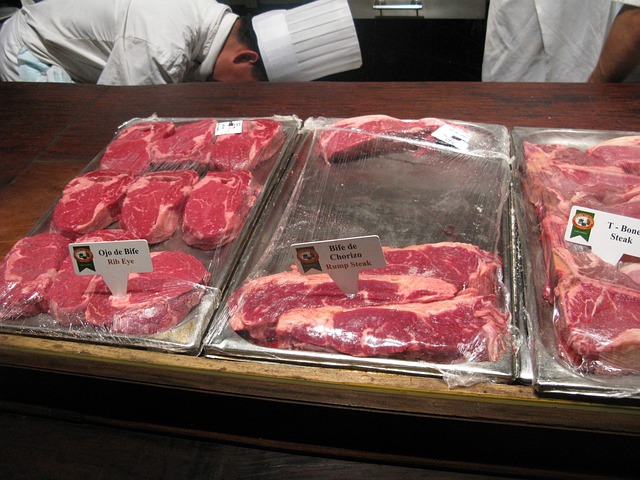
The Evolution of Modern Meat Packaging
Over the past decades, meat packaging has shifted from simple butcher paper to highly engineered systems. Traditional wrapping offered minimal protection against oxygen or moisture loss, resulting in quick spoilage. The introduction of vacuum sealing and modified atmosphere packaging (MAP) changed this dynamic by controlling exposure to air and bacteria. These technologies maintain color and texture longer, which appeals to consumers seeking visually fresh products. Industry motivation has always been clear: extend shelf life, reduce returns, and improve display quality in retail environments.
The Science Behind Meat Spoilage and Preservation
Meat spoilage arises from both chemical oxidation and microbial activity. Oxygen exposure accelerates pigment oxidation, turning red myoglobin into brown metmyoglobin—a color often mistaken for decay. Microbes such as Pseudomonas thrive in aerobic conditions, while others like lactic acid bacteria dominate under vacuum or MAP systems. By manipulating oxygen levels and humidity, modern packaging slows bacterial growth but does not stop enzymatic degradation entirely. Different packaging types thus produce distinct spoilage patterns—some visible, others hidden beneath apparently fresh surfaces.
How Packaging Design Influences Consumer Perception of Freshness?
Packaging not only preserves meat but also shapes how consumers interpret its quality. Visual cues like color and clarity often override more reliable indicators such as smell or texture.
The Role of Visual Cues in Assessing Meat Quality
Color remains the most influential factor in consumer decisions at the meat counter. Bright cherry-red beef signals freshness due to oxymyoglobin formation under controlled oxygen exposure. Transparent films enhance this effect under store lighting, even when internal spoilage begins. Some retailers use lighting that exaggerates red tones, reinforcing a “fresh” appearance that may not reflect microbial safety. This visual bias leads many shoppers to discard slightly discolored but safe meat while keeping bright-looking products that may already be deteriorating inside sealed packs.
Expiration Dates, Labeling Practices, and Misinterpretation
Labeling adds another layer of confusion. “Use by,” “sell by,” and “best before” dates serve different regulatory purposes but are often treated interchangeably by consumers. Many households throw away meat immediately after the printed date despite it being microbiologically safe if stored correctly at 4°C or below. Retailers tend to set conservative dates to avoid liability issues, which accelerates disposal rates across supply chains. Regulatory inconsistencies between regions further erode trust—what qualifies as expired in one market might still be saleable elsewhere.
Technological Factors That May Lead to Wasting Edible Meat?
While innovations like MAP and vacuum sealing aim to preserve freshness, they sometimes create a false sense of security or confusion about actual quality decline.
Modified Atmosphere Packaging (MAP) and Its Unintended Effects
MAP replaces air inside packages with specific gas mixtures—typically high carbon dioxide with reduced oxygen—to slow bacterial growth and maintain red coloration. However, this low-oxygen environment can mask early spoilage signs such as odor development or surface slime formation. Consumers relying solely on appearance may discard meat too soon or fail to detect deterioration when gases suppress visible cues. Detecting off-flavors becomes challenging because sensory changes occur later than visual ones under MAP conditions.
Vacuum Sealing and Its Impact on Shelf Life Perception
Vacuum sealing removes almost all air from the package, creating anaerobic conditions unfavorable for aerobic bacteria but favorable for anaerobes like Clostridium species. Although the absence of oxygen keeps color darker and stable longer, it also disconnects visual appearance from microbial reality. A piece of vacuum-packed beef may look acceptable long after its bacterial count exceeds safe limits if temperature control lapses during transport or storage. Retail testing protocols increasingly rely on microbial assays rather than color inspection because traditional sensory checks no longer suffice under these sealed environments.
Scientific Insights into Reducing Waste Without Compromising Safety?
Scientists are developing tools that bridge the gap between perceived freshness and actual safety through smarter monitoring systems and better communication strategies.
Advanced Monitoring Technologies for Real-Time Freshness Detection
Smart labels embedded with biosensors or time–temperature indicators (TTIs) now provide dynamic data on product history rather than static expiration dates. These systems detect volatile compounds produced during spoilage—like amines or sulfur compounds—and change color accordingly. Research teams are exploring chemical markers linked directly to microbial metabolism instead of relying on external factors such as light exposure or gas ratios. With real-time data integration across logistics networks, retailers could adjust shelf-life predictions based on actual storage conditions rather than fixed estimates.
Improving Communication Between Producers, Retailers, and Consumers
Reducing waste requires consistency in how information is shared along the supply chain. Standardizing label terminology would help clarify product usability beyond arbitrary dates. Educational campaigns could teach consumers how to evaluate smell or texture before discarding sealed meat packages unnecessarily. Collaboration among scientists, regulators, and manufacturers is critical for updating labeling guidelines so they reflect both safety science and behavioral insights from consumer studies.
Rethinking Meat Packaging Strategies for Sustainability Goals?
The future of sustainable meat packaging depends on balancing extended preservation with honest representation of freshness while minimizing environmental impact.
Balancing Shelf Life Extension with Transparency in Quality Indicators
Next-generation designs aim to make freshness visible without misleading buyers. For example, integrating oxygen-sensitive inks into film layers could reveal when protective atmospheres degrade over time. Meanwhile, biodegradable polymers derived from plant starches offer an alternative to petroleum-based plastics but must still protect against moisture loss effectively. The challenge lies in achieving transparency—both literal and ethical—without compromising shelf stability or increasing production costs.
Future Directions in Meat Packaging Research and Policy Development
Ongoing studies examine how microbial communities evolve within sealed systems over time using genomic sequencing tools. Insights from these projects could inform new preservation strategies targeting specific spoilage organisms rather than broad-spectrum suppression through gases alone. Policymakers are beginning to consider frameworks that promote innovation while maintaining public health safeguards similar to ISO standards governing food contact materials (ISO 22000 series). Interdisciplinary collaboration among microbiologists, material engineers, behavioral economists, and regulators will shape the next phase of sustainable packaging evolution.
FAQ
Q1: Why does packaged meat sometimes look fresh even when spoiled?
A: Low-oxygen environments used in MAP slow discoloration but delay odor development, making spoiled meat appear visually acceptable longer than it should.
Q2: Are expiration dates always accurate indicators of safety?
A: Not necessarily; they’re conservative estimates based on ideal storage conditions rather than real-world handling variations.
Q3: What’s the safest way for consumers to judge if packaged meat is still good?
A: Check for abnormal odors upon opening; slimy texture or sour smell signals spoilage more reliably than color alone.
Q4: How can smart labels help reduce food waste?
A: They monitor temperature history or detect chemical markers from bacterial metabolism to show true freshness instead of relying solely on printed dates.
Q5: What policy changes could improve trust in packaged meat labeling?
A: Harmonizing definitions for “use by” versus “best before” across markets would prevent confusion and reduce premature disposal rates globally.