Is Popcorn Packaging the Hidden Factor Making Microwave Popcorn Unhealthy
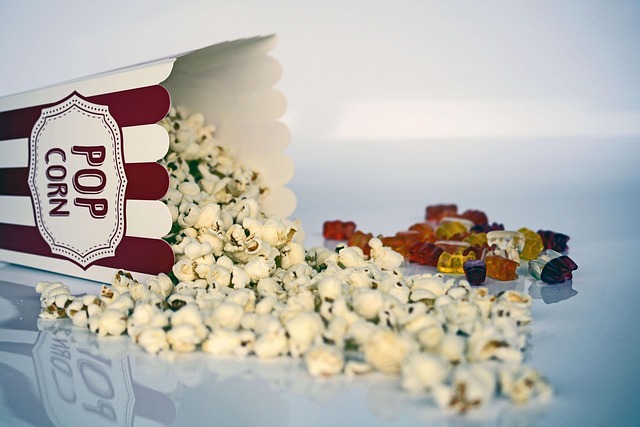
Is Microwave Popcorn Bad For You?
Microwave popcorn is not inherently harmful, but its health impact depends largely on packaging chemicals and flavor additives rather than the corn itself. The kernels are safe, yet compounds from the bag’s coating or artificial butter flavor can release under heat, posing potential risks. Over the past decade, many manufacturers have reformulated their products to eliminate problematic substances like perfluoroalkyl substances (PFAS) and diacetyl. While modern popcorn packaging is safer than before, experts still advise moderation and ventilation during preparation to reduce exposure to volatile compounds.
The Relationship Between Microwave Popcorn and Health Concerns
The debate around microwave popcorn and health has evolved from concerns about artificial flavoring agents to a focus on packaging materials. Experts now assess how heat-induced chemical changes affect both air quality and food safety.
Understanding the Composition of Microwave Popcorn
Microwave popcorn typically includes corn kernels, vegetable oil, salt, and various seasonings sealed in a specialized bag. During heating, oil vaporizes and transfers flavor evenly across kernels. However, the composition of the bag—often coated with grease-resistant polymers—plays a major role in determining chemical stability. At high temperatures, these coatings can react with oils or moisture, releasing trace compounds into the food. Studies show that exposure duration and microwave wattage significantly influence emission rates of such substances.
Historical Context of Health Debates Around Microwave Popcorn
Health debates began in the early 2000s when factory workers exposed to diacetyl developed respiratory issues known as “popcorn lung.” This led to major reformulations across the snack industry. Regulatory bodies later investigated PFAS used in popcorn packaging for their persistence in human tissue and environmental systems. Manufacturers responded by adopting alternative coatings and reducing synthetic additives. Yet research continues into whether long-term consumption of microwave popcorn contributes to cumulative chemical exposure.
The Science Behind Popcorn Packaging Materials
The safety of microwave popcorn cannot be separated from its container. The bag must withstand intense heat without leaking grease or igniting, which requires complex material engineering.
Common Materials Used in Microwave Popcorn Bags
Most bags are made from multi-layered paper coated with fluorinated polymers or silicone-based resins that repel oil. Adhesives bind layers together while inks mark branding information. Each component must perform under fluctuating microwave energy fields without degrading prematurely. Food scientists evaluate these materials for both mechanical resilience and minimal chemical migration into food.
Chemical Stability Under Heat Exposure
When exposed to microwave radiation, polymer coatings can degrade into smaller volatile molecules. Some fluorinated compounds may transform into persistent contaminants that resist environmental breakdown. Analytical methods such as gas chromatography–mass spectrometry (GC-MS) help detect these emissions at trace levels. Temperature gradients within microwaves often vary between 150°C and 200°C inside bags—conditions sufficient to trigger partial decomposition of certain coatings.
Potential Health Implications of Packaging Chemicals
Concerns surrounding microwave popcorn primarily relate to PFAS and volatile organic compounds (VOCs). Both categories include chemicals that can migrate from packaging into food or air during heating.
Perfluoroalkyl Substances (PFAS) and Their Role in Popcorn Packaging
PFAS provide excellent grease resistance but remain chemically stable for decades once released into the environment. Epidemiological studies have linked PFAS exposure with thyroid disruption, immune suppression, and potential carcinogenic effects at high doses. In response, agencies such as the U.S. Food and Drug Administration (FDA) have restricted PFAS use in food-contact applications since 2020. Many manufacturers now use non-fluorinated alternatives that meet similar performance standards without bioaccumulation risks.
Volatile Organic Compounds (VOCs) Released During Heating
VOCs originate from adhesives or ink solvents used within popcorn packaging layers. When heated, they can volatilize into indoor air or condense on kernels’ surfaces. Chronic inhalation of VOCs may cause irritation or neurological symptoms depending on concentration levels. Although kitchen ventilation reduces airborne exposure during popping, residue transfer remains possible through direct contact with melted oils inside the bag.
Industry Shifts Toward Safer Packaging Alternatives
Growing awareness of chemical migration has driven innovation across the popcorn packaging sector. Companies now prioritize materials that balance performance with reduced toxicity profiles.
Replacement of Fluorinated Coatings with Safer Polymers
Silicone-based coatings have become common substitutes for PFAS because they maintain grease resistance while resisting thermal breakdown up to 230°C. Comparative testing shows these materials emit fewer volatile byproducts under standard microwave heating cycles. Some brands also experiment with biodegradable waxes derived from plant oils to achieve similar barrier properties without fluorine chemistry involvement.
Innovations in Sustainable Food Packaging for Popcorn Products
Sustainability trends push development toward compostable paper fibers reinforced with nanocellulose films that resist oil penetration even under heat stress. These innovations aim to minimize migration while enabling industrial composting after disposal. However, large-scale adoption depends on cost feasibility and consistent regulatory approval across markets like North America and Europe.
Evaluating Risk Through Scientific and Regulatory Frameworks
Assessing safety involves combining laboratory data with real-world consumption patterns to estimate human exposure levels accurately.
Toxicological Assessment Methods for Food Packaging Safety
Migration tests simulate cooking conditions by exposing packaging samples to model foods at controlled temperatures for set durations. Scientists measure transferred chemical concentrations using chromatographic analysis then apply dose–response models to evaluate risk margins relative to established tolerances. Ongoing surveillance programs track compliance under evolving international standards such as ISO 22000 for food safety management systems.
Global Regulatory Perspectives on Microwave Popcorn Packaging Materials
Both the European Union (EU) and FDA regulate permissible limits for specific fluorinated compounds in food-contact materials. Implementation timelines differ: some EU member states enforce stricter bans earlier than U.S counterparts due to precautionary principles embedded in EU law frameworks like REACH regulation (EC No 1907/2006). Collaborative research between academia, regulators, and industry continues refining analytical detection thresholds for emerging contaminants found within popcorn packaging supply chains.
Consumer Awareness and Practical Considerations for Experts in the Field
Public communication around microwave popcorn safety often oversimplifies complex chemistry topics; experts must clarify distinctions between kernel ingredients versus packaging-derived risks.
Interpreting Research Findings for Public Communication and Policy Development
Professionals translating technical data should emphasize dose relevance: trace detections do not automatically imply danger if below toxicological thresholds established by agencies like WHO or EFSA. Clear labeling identifying “PFAS-free” or “non-fluorinated coating” helps rebuild consumer trust while motivating ongoing innovation among producers seeking safer solutions aligned with sustainability goals.
Future Directions in Microwave Popcorn Safety Research
Emerging studies focus on modeling compound release kinetics under variable microwave wattages reflecting household diversity worldwide. Long-term epidemiological tracking will clarify whether chronic low-dose exposures correlate with measurable health outcomes over decades of consumption patterns—a challenge given lifestyle confounders such as diet diversity or indoor air quality differences across populations.
FAQ
Q1: Does all microwave popcorn contain harmful chemicals?
A: No, most modern brands have phased out PFAS coatings and diacetyl flavorings once linked to health issues.
Q2: Can microwaving popcorn release toxins into the air?
A: Yes, small amounts of VOCs may volatilize during heating but dissipate quickly if adequate ventilation is present.
Q3: Are PFAS-free bags completely safe?
A: They significantly reduce risk yet still require monitoring since alternative polymers might produce other minor byproducts under extreme heat.
Q4: How can consumers minimize exposure when making microwave popcorn?
A: Ventilate kitchens during popping, avoid overheating bags beyond recommended time, and choose products labeled “PFAS-free.”
Q5: Is stove-top popping healthier than using microwavable bags?
A: Typically yes; it eliminates potential contact with synthetic coatings though oil choice still influences nutritional quality overall.