Why Sealed Air Bubble Wrap Was Originally Invented And How It Evolved
People Left Stunned As They Learn Why Bubble Wrap Was Originally Invented
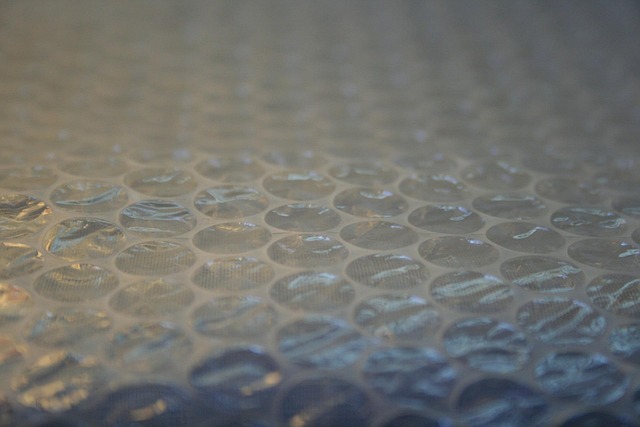
Most people associate sealed air bubble wrap with packaging fragile goods, but its story began in a completely different direction. The material that now protects electronics and glassware was first designed as a decorative wall covering. Engineers Alfred Fielding and Marc Chavannes accidentally discovered its cushioning potential while experimenting with textured wallpaper. This misstep evolved into one of the most recognizable protective materials in the world, reshaping industrial logistics and product safety standards.
The Origins of Sealed Air Bubble Wrap
The early phase of sealed air bubble wrap development reveals how innovation can emerge from unexpected experimentation. What started as an artistic concept quickly became a technological breakthrough.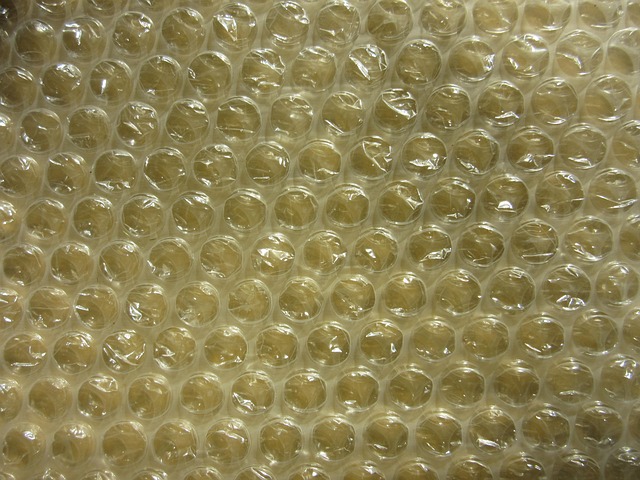
The Inventive Concept Behind Sealed Air’s Creation
Bubble wrap was never meant to be a packaging product. Fielding and Chavannes initially aimed to design a modern, three-dimensional wallpaper that could add depth to interior spaces. They achieved this by sealing two layers of plastic film together, trapping small air pockets between them. The result was visually intriguing but commercially impractical for home decor. However, the process introduced a new way to manipulate plastics for texture and volume—an idea that would later revolutionize protective packaging.
Early Development and Patent Formation
In 1960, the inventors patented their design, focusing on perfecting manufacturing consistency and ensuring reliable air retention within each bubble. These technical refinements were critical because early prototypes often leaked or flattened under pressure. To commercialize their discovery, they founded Sealed Air Corporation, which became the foundation for a new industry segment dedicated to cushioning materials. Their patent marked the formal beginning of bubble-based protective solutions.
The Transformation from Wallpaper to Packaging Innovation
The transition from decorative wallpaper to functional packaging did not happen overnight. It required market testing, technical adaptation, and strategic repositioning toward industries that valued protection over aesthetics.
Identifying New Applications Beyond Interior Design
Initial market response to the textured wallpaper concept was disappointing. Consumers found it unusual and difficult to install. Seeking new directions, Fielding and Chavannes explored its potential in insulation due to its trapped-air structure, which provided mild thermal resistance. Yet it was packaging where the material truly excelled—the bubbles absorbed shock efficiently, preventing damage during transport.
Adoption by Industrial and Commercial Sectors
A defining moment came when IBM adopted bubble wrap for shipping delicate computer components in the early 1960s. Its lightweight flexibility significantly reduced freight costs while offering excellent impact protection. This endorsement validated bubble wrap’s industrial value and propelled Sealed Air into global markets as a leader in protective packaging solutions.
Technological Evolution of Bubble Wrap Production
Over time, sealed air bubble wrap evolved through continuous material science advancements and precision manufacturing improvements.
Advancements in Material Engineering
Modern versions use stronger polymer films with improved elasticity and longer-lasting air retention. Multi-layer coextrusion technology allows manufacturers to produce films that maintain cushioning performance under heavy loads while using less raw material. Research also focuses on recyclability—many current products use polyethylene blends compatible with recycling streams or partially bio-based resins.
Automation and Manufacturing Precision
Today’s production lines employ automated heat-sealing systems that control temperature and pressure with high accuracy, producing uniform bubbles across large rolls of film. Quality control sensors monitor thickness variations and inflation levels in real time. These data-driven processes increase efficiency while maintaining consistent cushioning performance across batches.
Expansion into Specialized Protective Solutions
As global supply chains diversified, Sealed Air expanded its product range beyond standard wraps to meet sector-specific needs requiring enhanced protection or regulatory compliance.
Customization for Industry-Specific Needs
Electronics manufacturers use antistatic-coated versions that prevent electrostatic discharge from damaging sensitive circuits during shipment. Pharmaceutical companies rely on temperature-resistant films for cold-chain logistics where maintaining specific thermal conditions is vital for drug stability. Logistics providers benefit from tailored roll widths and bubble sizes optimized for different packaging formats.
Integration with Sustainable Packaging Strategies
Environmental considerations have become central to Sealed Air’s innovation strategy. The company now offers recyclable film grades made from post-consumer resin and participates in closed-loop recycling programs that recover used materials for reprocessing into new wraps. These initiatives align with international sustainability frameworks such as ISO 14001 environmental management standards.
The Cultural and Psychological Dimensions of Bubble Wrap
Beyond industry use, bubble wrap has gained cultural significance due to its sensory appeal—an unexpected twist few inventors could have predicted.
From Industrial Utility to Pop Culture Iconography
The tactile satisfaction of popping bubbles turned this utilitarian material into a stress-relief tool embraced worldwide. Offices keep sheets around not just for packing but also as informal relaxation aids during breaks. Artists have even repurposed it in installations exploring texture and repetition, showing how an industrial byproduct can enter popular culture through human curiosity.
Ongoing Research and Future Directions in Protective Materials
Protective packaging continues evolving alongside digital logistics systems and smart manufacturing technologies that demand more adaptive materials.
Emerging Technologies Influencing Protective Packaging Design
Researchers are developing smart films embedded with micro-sensors capable of detecting pressure or impact changes during transit. Computational modeling tools simulate how different bubble geometries respond under load, enabling predictive design before physical production begins. Integration with logistics data allows real-time tracking of potential damage events within supply chains.
Sealed Air’s Role in Shaping the Future of Packaging Innovation
Sealed Air invests heavily in research partnerships focused on circular economy models and resource-efficient materials. By combining advanced polymers with digital monitoring capabilities, it aims to create next-generation cushioning systems that respond dynamically to shipping conditions. The journey from failed wallpaper experiment to intelligent packaging solution illustrates how creative persistence can transform simple ideas into enduring industrial innovations.
FAQ
Q1: Why was sealed air bubble wrap originally invented?
A: It was first designed as textured wallpaper before being repurposed as protective packaging after market rejection in interior design applications.
Q2: Who invented sealed air bubble wrap?
A: Engineers Alfred Fielding and Marc Chavannes developed it in 1957 and patented their design in 1960.
Q3: How did IBM influence its success?
A: IBM adopted bubble wrap for shipping computers safely, establishing it as an essential industrial packaging material.
Q4: Is modern bubble wrap environmentally friendly?
A: Many current variants are recyclable or made from bio-based polymers aligned with sustainability standards like ISO 14001.
Q5: Why do people enjoy popping bubble wrap?
A: Its tactile feedback provides sensory satisfaction linked to mild stress relief responses observed in everyday settings such as offices or homes.