Custom soap box packaging choices that affect cost, compliance, and shelf appeal
What custom soap box packaging needs to do first
Custom soap box packaging has to protect the bar, present the product clearly, support the brand, and avoid claims the company cannot substantiate. The box may be small, but it carries a long list of decisions: board grade, closure style, print method, moisture resistance, fragrance retention, shelf display, shipping strength, sustainability language, and regulatory wording.
A useful brief starts with the soap format and sales channel before artwork, foil, windows, or other finishes are discussed. Handmade cold-process bars, hotel soaps, medicated cleansing bars, premium gift sets, and subscription products do not need the same structure. For broader packaging context, the Custom Packaging section covers related topics across formats and materials.

Start with the sales channel and soap format
The first design question is not the color palette or logo placement. It is where the soap will be handled, stored, opened, and judged. A carton that works neatly on a boutique shelf may fail in a mailer. A structure built for e-commerce may feel over-specified for a single everyday retail bar.
| Soap packaging use | Common structure | Key design priority |
|---|---|---|
| Single retail bar | Folding carton, sleeve, belly band, or wrap | Fast recognition, product information, tamper awareness, and shelf neatness |
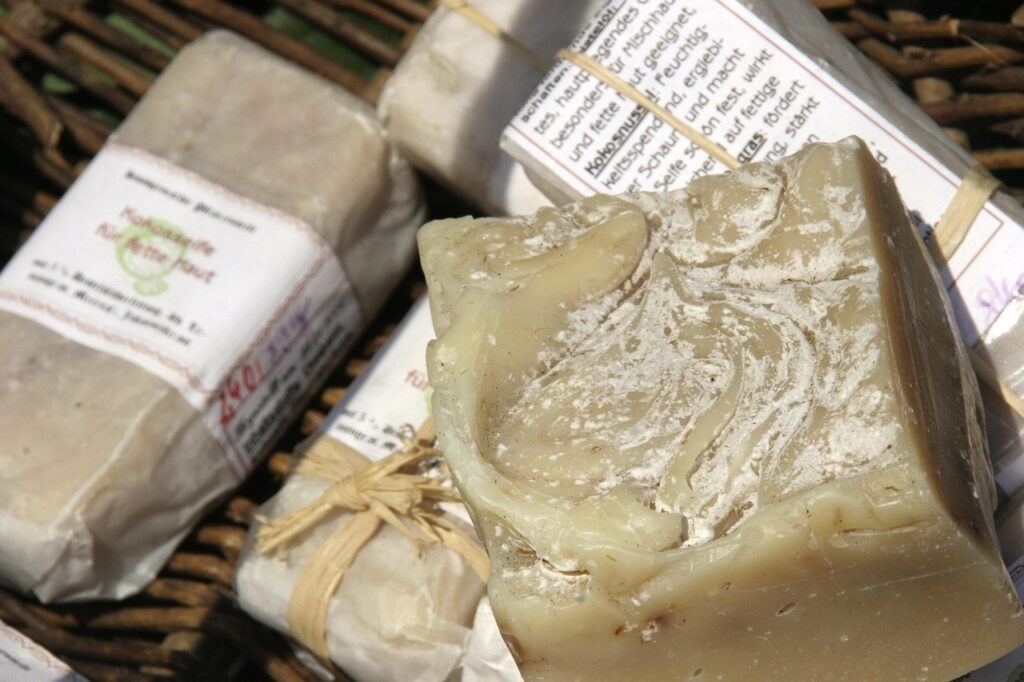
| Natural or handmade soap | Kraft carton, paper sleeve, window box, or wrap | Ingredient transparency, tactile feel, and believable sustainability messaging |
| Luxury soap | Thicker paperboard, rigid box, drawer box, or gift carton | Perceived value, unboxing sequence, print detail, and finish consistency |
| E-commerce soap | Inner carton plus mailer, corrugated insert, or shipper | Crush resistance, movement control, moisture risk, and shipping efficiency |
| Hotel or amenity soap | Small carton, flow wrap, or compact paper wrap | Unit cost, hygiene, high-volume handling, and clear product identity |
Bar soap brings specific packaging risks. It can carry fragrance, transfer oil, absorb moisture, chip at the corners, or leave marks on uncoated paper. The specification should account for cure time, bar hardness, surface oils, fragrance load, and the environments the product may pass through, including humid bathrooms, warehouses, retail stockrooms, and mail networks.
Choose materials around protection, printing, and end of life
Paperboard remains the most common choice for custom soap boxes because it is printable, foldable, lightweight, and familiar to consumers. Solid bleached sulfate can provide a clean surface for detailed graphics and lighter colors. Kraft paperboard supports an earthy look and tactile feel, but its darker base affects color accuracy. Recycled-content board can reduce reliance on virgin fiber, although brands should confirm print quality, odor, stiffness, and certification claims before moving into volume production.
Material decisions should be practical, not only symbolic. The Flexible Packaging Association has emphasized a life-cycle view of packaging, where the most responsible format is one that protects the product efficiently with the lowest practicable impact across its full use. For soap, a thinner sleeve is not automatically the better choice if the bar is damaged or the consumer cannot identify the product. At the same time, a heavy rigid box may be excessive for a low-cost everyday bar.
Coatings and laminations also need review early in the project. Aqueous coating can improve rub resistance. Spot UV, soft-touch film, metallic foil, and plastic windows may improve presentation, but they can add cost or complicate recycling. If shoppers need to see or smell the soap, a die-cut window or open sleeve may help. The trade-off is greater exposure to dust, handling, humidity, and light. For scented products, packaging teams should test whether the selected board absorbs fragrance or changes odor during storage.
Design for label accuracy before decoration
Soap packaging often sits near cosmetics in retail, so label language matters. In the United States, FDA guidance explains that a product marketed only as traditional soap for cleansing is treated differently from a product promoted with cosmetic or drug claims. A cleansing bar that claims to moisturize, deodorize, exfoliate, soften skin, treat acne, relieve eczema, or kill germs may trigger different labeling expectations. For packaging designers, the practical point is to reserve enough panel space for the wording the product actually requires and to avoid building the layout around claims that regulatory review may later remove.
Packaging teams should separate three layers of information. The first is identity: what the product is and what size or net quantity it contains. The second is usage and brand communication: scent, collection name, soap type, and handling notes. The third is substantiation-sensitive language: natural, organic, antibacterial, hypoallergenic, recyclable, compostable, biodegradable, FSC-certified, plastic-free, or zero waste. These phrases should not be treated as decorative copy because they may require evidence, certification, qualification, or legal review.
A practical artwork file should include a hierarchy for the principal display panel, side panels, barcode area, batch or lot coding, and any multilingual requirements. Small soap boxes leave little room for late additions. If required marks are added after artwork approval, the result can be crowded panels, reduced readability, or rework charges.
Sustainability claims need proof, not just earthy graphics
Sustainable packaging matters to many soap brands, but vague language can create risk. The U.S. Federal Trade Commission Green Guides state that environmental marketing claims should be truthful, specific, and supported by competent evidence. For example, unqualified recyclable claims should be used carefully when recycling facilities are not available to a substantial majority of consumers or communities where the package is sold. Compostable claims require evidence that the package will break down safely in appropriate composting conditions and within a relevant time frame.
For custom soap box packaging, this affects everyday design choices. A paperboard carton without plastic lamination may be easier for consumers to understand than a mixed-material carton with a plastic window, foil stamping, and soft-touch film. However, paper-based does not automatically mean recyclable everywhere, and kraft color does not prove environmental benefit. Recycled content should be stated accurately. Any forest certification mark should be used only through the correct certified supply chain and trademark approval process. FSC guidance, for instance, requires proper use and approval of FSC labels rather than casual placement of the logo on artwork.
Brands selling into multiple U.S. states should also monitor packaging policy changes. As of October 20, 2026, California’s CalRecycle materials show that SB 54 permanent regulations took effect on May 1, 2026, creating an extended producer responsibility framework for packaging and single-use plastic food service ware. For small soap brands, the immediate takeaway is not to redesign around one headline. It is to track where products are sold, what materials are used, and whether packaging data can be reported if required. See also: Food Packaging.
How packaging choices influence unit cost and lead time
The cost of a soap box is shaped by more than size. Board grade, order quantity, print process, number of colors, coating, die complexity, hand assembly, inserts, windows, embossing, foil, and testing can all affect price and schedule. The most expensive specification is often the one that changes late, after tooling, proofs, or supplier scheduling have already begun.
| Choice | Potential benefit | Possible trade-off |
|---|---|---|
| Thicker board | Better stiffness and premium feel | Higher material cost and possible folding limits |
| Kraft board | Natural appearance and tactile texture | Less predictable color reproduction |
| Window cutout | Product visibility | More exposure to dust, moisture, and handling |
| Foil or embossing | Stronger shelf impact | Additional tooling, time, and recyclability questions |
| Custom insert | Improved product hold and unboxing | Extra material, packing labor, and complexity |
A practical cost-control method is to build two versions of the specification: a core version and an enhanced version. The core version should meet protection, labeling, and brand requirements. The enhanced version can add premium finishes for gift sets, seasonal launches, or higher-margin channels. This keeps visual ambition from weakening the basic packaging function.
Practical specification checklist for soap brands
Before requesting samples or quotations, packaging teams can reduce revisions by preparing a clear brief. The following checklist fits most custom soap box packaging projects:
- Confirm the soap dimensions after curing, not only at cutting or molding.
- Allow tolerance for bar variation, shrinkage, and handmade edges.
- State the sales channel: retail shelf, gift set, hotel, subscription box, marketplace, or direct shipping.
- Define the primary protection risk, such as corner damage, oil transfer, fragrance loss, or moisture exposure.
- List required label information before finalizing the die line.
- Separate proven claims from preferred marketing language.
- Request physical samples in the intended board, coating, and closure style.
- Test storage, shipping, barcode scanning, shelf display, and opening experience.
- Check whether finishing choices affect recycling or claim language.
- Keep packaging material records for future sustainability reporting or EPR inquiries.
The best packaging brief is not the longest one. It is the one that tells the supplier what the box must survive, what it must communicate, and which claims are already supported.
Frequently asked questions
What is the most common material for custom soap box packaging?
Paperboard is the most common material because it can be printed, folded, cut into many structures, and shipped efficiently. Kraft board, white paperboard, recycled-content board, and premium rigid board are all possible, depending on the product position and channel.
Do handmade soaps need a full box?
Not always. A sleeve, belly band, wrap, or small carton may be enough for a cured bar sold in a controlled retail setting. A full carton can be useful when the bar needs more surface protection, more label space, a premium presentation, or better handling during shipping.
Can a soap box say recyclable or compostable?
Only if the claim is accurate, specific, and supported. Recyclability depends on material, coatings, local collection, and sorting systems. Compostability requires evidence and access to appropriate composting conditions. Vague claims are weaker than precise statements such as the material type, certification basis, or disposal instruction.
Should soap packaging include a window?
A window can help shoppers see color, texture, and handmade variation, but it may reduce protection and add material complexity. If visibility is important, compare a plastic window, open die cut, sleeve, or printed product image before choosing the final structure.
How early should packaging be planned in a soap launch?
Packaging should be planned as soon as the soap size, claims, channel, and price range are known. Waiting until the final artwork stage can create problems with label space, die lines, production lead time, barcode placement, and testing the box with the real product.