Snack food packaging choices shaped by shelf life, safety, and recyclability
Snack packaging is now a performance and compliance decision
Snack food packaging still has one basic job: keep the product acceptable until the consumer opens it. That job is getting harder. Chips, nuts, crackers, popcorn, bakery snacks, confectionery, bars, and dried fruit each fail in different ways, whether through oxygen exposure, moisture pickup, light, aroma loss, oil migration, crushing, or poor seals. Packaging teams also have to factor in food-contact rules, PFAS phase-outs, recyclability targets, and environmental claims that can be substantiated.
The strongest option is no longer simply the highest-barrier structure. It is the format that protects shelf life, runs consistently on the packing line, suits the retail channel, and can stand up to current safety and sustainability expectations. This article reviews the main choices shaping snack food packaging and the trade-offs behind them. For broader category context, see our Food Packaging section.
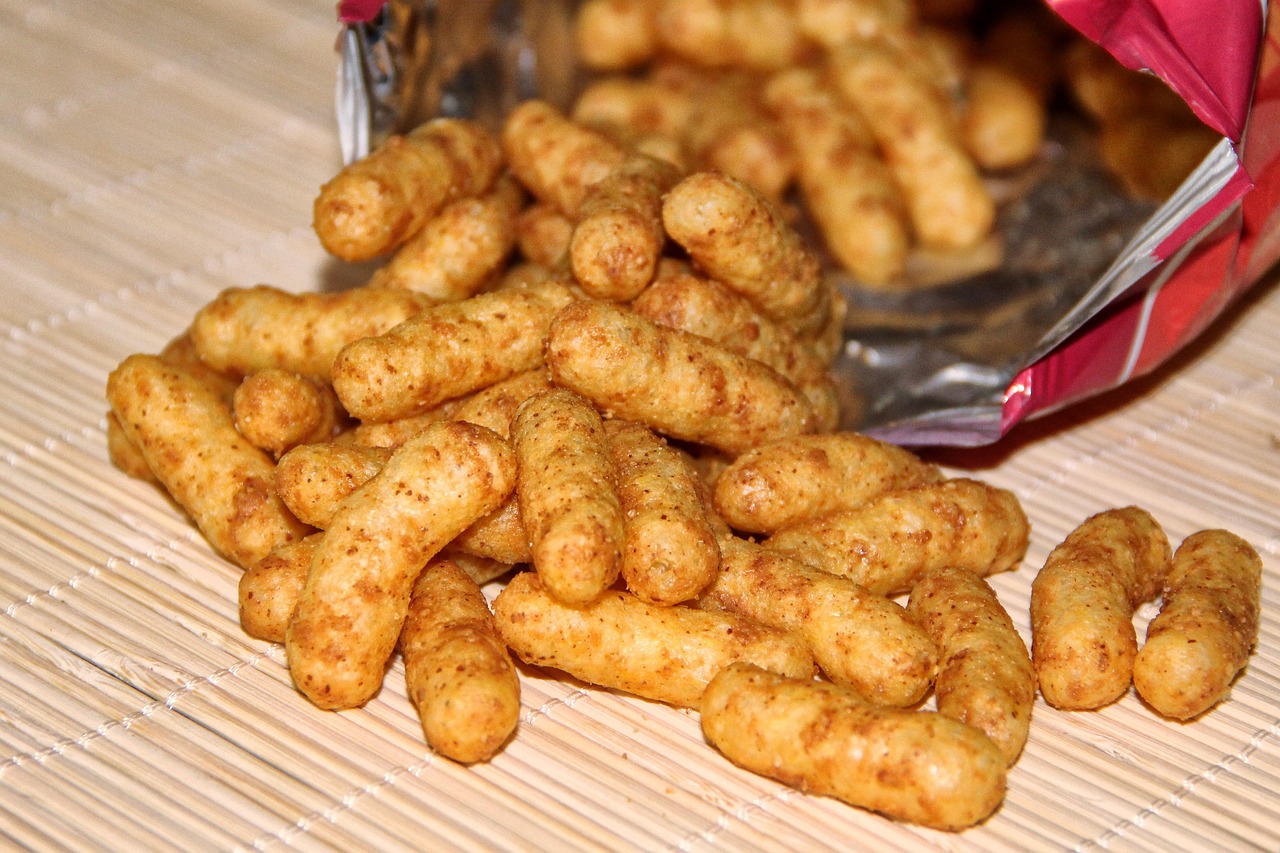
What snack food packaging has to protect
Most snacks are shelf-stable, but that does not make them simple to pack. The main concern is usually quality loss rather than immediate spoilage. A chip may remain microbiologically safe but become unacceptable if it loses crispness, turns rancid, or picks up unwanted odors. A cookie may break if the pack lacks puncture resistance or secondary protection. Nuts and seed snacks often need stronger oxygen control because their oils can oxidize. Dried fruit needs moisture management without becoming too dry, sticky, or clumped.
Published food packaging research consistently identifies oxygen, water vapor, and light as key quality drivers for fried and dry snacks. Oxygen can speed oxidation and off-flavors. Water vapor can soften crisp textures or cause clumping. Light can contribute to quality deterioration in fat-containing products. For that reason, snack packaging decisions should start with the product’s likely failure mode, not with a generic material preference.
| Snack category | Main packaging risk | Typical packaging priority |
|---|---|---|
| Potato chips and extruded snacks | Moisture gain, oxygen exposure, crushing | High barrier film, strong seals, cushioning headspace |
| Nuts and trail mix | Oxidation of oils, aroma transfer | Oxygen barrier, light control, resealability |
| Crackers and biscuits | Loss of crispness, breakage | Moisture barrier, controlled pack geometry, secondary protection |
| Popcorn and microwave popcorn | Grease resistance, heat conditions, aroma retention | Food-contact validated materials, grease barrier, seal integrity |
| Snack bars | Moisture imbalance, fat bloom, wrapper scuffing | Balanced barrier, print durability, flow-wrap performance |
| Dried fruit | Moisture change, stickiness, oxidation | Moisture management, oxygen control, easy-open features |
Why flexible packaging remains common in snacks
Flexible formats dominate many snack aisles because they combine low material weight, strong barrier options, and efficient filling speeds. Pillow bags, stand-up pouches, gusseted bags, rollstock flow wraps, and multipack structures can be specified around oxygen transmission rate, water vapor transmission rate, seal temperature range, puncture resistance, stiffness, and print requirements.
Flexible packaging also fits common snack consumption patterns. Single-serve packs work for portion control and convenience channels. Family-size pouches support pantry storage and sharing. Resealable zipper pouches help protect nuts, granola, dried fruit, and premium snacks after opening. Multipacks can protect individual portions while serving club, school, and online retail formats.
The trade-off is end-of-life complexity. High-performance flexible packs often use several layers, such as a print layer, barrier layer, adhesive, sealant, and sometimes metallization or foil. These structures can be very effective for shelf life, but conventional recycling systems may struggle to separate the materials. That is why more brands are asking whether a snack truly needs a complex multilayer structure, or whether a simpler mono-material design can meet the same shelf-life target.
Material choices are being shaped by regulation and retailer expectations
Material selection used to be driven mainly by cost, shelf life, machinability, and shelf appearance. Those factors still matter, but they now sit alongside food-contact compliance, chemical restrictions, recyclability scoring, extended producer responsibility fees, and retailer packaging guidelines.
Food-contact safety comes first
Any snack package that touches food must be suitable for its intended use. In the United States, the FDA regulates food contact substances and explains that a component may be permitted through food additive regulations, effective food contact notifications, prior sanctions, or other applicable regulatory routes. For packaging teams, the practical point is clear: a material that performs well mechanically still needs documentation for the food type, temperature conditions, contact duration, and intended market.
This is especially important for oily snacks. Fats and oils can interact with packaging differently from dry cereals or sugar confectionery. Converters and brands should review migration data, declarations of compliance, printing ink placement, adhesive systems, and barrier layers before assuming a structure is suitable for every snack category.
PFAS restrictions have changed grease-resistant paper decisions
Grease resistance is a major issue for popcorn bags, bakery snack wraps, fast-food style paper, and some coated paperboard formats. In February 2024, the U.S. FDA announced that grease-proofing substances containing certain PFAS were no longer being sold for use on paper and paperboard food packaging in the U.S. market. In January 2025, the FDA also moved to make 35 related food contact notifications no longer effective based on abandonment of those uses.
For snack packaging, this does not mean all grease-resistant paper is unavailable. It means paper-based snack formats need careful review of the barrier chemistry used to resist oil and water. PFAS-free coatings, dispersion coatings, extrusion coatings, and other barrier approaches may be options, but they still need to be validated for food contact, performance, converting, and end-of-life claims.
EU packaging rules add pressure toward recyclable design
The European Union’s Packaging and Packaging Waste Regulation, Regulation (EU) 2025/40, entered into force on February 11, 2025, with rules applying on a phased basis from August 12, 2026. The regulation moves packaging toward design-for-recycling requirements, recyclability performance grades from 2030, and broader packaging waste reduction objectives. It also includes provisions relevant to food-contact packaging and substances of concern.
Companies that do not sell directly in Europe may still feel the influence of these rules because multinational retailers, global snack brands, and packaging suppliers often align specifications across regions. As a result, recyclable structure development, material simplification, and clearer packaging data are becoming part of mainstream snack packaging strategy, not just optional sustainability projects.
Design choices that affect shelf life and consumer experience
The visible package format is only part of the decision. Small design and specification details often determine whether a snack arrives crisp, opens cleanly, and remains acceptable after the first serving.
Barrier level should match the product, not exceed it blindly
A very high oxygen barrier may be necessary for oily nuts or long-shelf-life export snacks. It may be excessive for a fast-moving, low-fat cracker sold regionally. Over-specifying barrier can add cost, reduce recyclability, or complicate sourcing. Under-specifying barrier can lead to stale products, complaints, and food waste. A sound specification links barrier targets to shelf-life testing, distribution conditions, and the product’s sensitivity to oxygen, moisture, light, and aroma loss. See also: Eco Packaging.
Seal integrity is as important as film selection
A premium film cannot make up for weak seals, contamination in the seal area, poor jaw temperature control, or unstable machine operation. Snack dust, seasoning oils, and product fines can interfere with sealing, particularly on vertical form-fill-seal lines handling chips, extruded snacks, or coated products. Packaging teams should treat seal window, hot tack, coefficient of friction, film tracking, and puncture resistance as part of the shelf-life system.
Resealability has to match the eating occasion
Resealable features are useful when consumers are unlikely to finish the product in one sitting. Nuts, trail mix, granola, dried fruit, premium crackers, and family-size salty snacks can benefit from zippers or reclose labels. For single-serve packs, resealability may add cost and material without much consumer value. The better question is whether the feature prevents staling, spills, or waste for that specific pack size.
Online retail increases physical protection demands
E-commerce and mixed-case distribution can expose snack packs to more compression, vibration, and handling than a traditional pallet-to-shelf route. Lightweight flexible packaging may need secondary cartons, stronger case design, or adjusted headspace to reduce breakage. For fragile snacks, sustainability gains from lighter primary packaging can be undermined if damage rates increase. Distribution testing should therefore be part of the packaging brief.
Sustainability claims need evidence, not slogans
Snack packaging is under pressure to look more sustainable, but vague language can create legal and reputational risk. In the United States, the Federal Trade Commission’s Green Guides advise that environmental marketing claims should be truthful, clear, and supported by competent and reliable evidence. For example, unqualified recyclable claims depend on whether recycling facilities are available to a substantial majority of consumers or communities where the product is sold. Compostable claims also require evidence that the package will break down safely and appropriately under the claimed conditions.
This matters because many snack packs are technically sophisticated but not widely recyclable through curbside systems. A package may use less material, reduce food waste, and lower transport weight while still facing recycling limitations. A credible claim should identify the specific benefit, such as reduced material use, recycle-ready design, store drop-off eligibility where available, certified compostability, recycled content, or PFAS-free grease resistance. Broad phrases such as green, earth-friendly, or sustainable are less useful unless they are backed by specific facts.
Compostable snack packaging also needs careful positioning. Industrially compostable films may require access to appropriate composting facilities and may not suit every barrier requirement or filling line. If the package is likely to be disposed of in landfill or conventional recycling, the consumer benefit may be limited. Claims should reflect real disposal infrastructure in the target market.
A practical framework for choosing snack food packaging
A strong packaging brief turns broad goals into testable requirements. The following framework helps keep decisions grounded in product performance, compliance, and market reality.
- Define the product risk. Identify whether the snack is most sensitive to moisture, oxygen, light, grease, aroma loss, crushing, or migration concerns.
- Set measurable shelf-life targets. Link barrier requirements to real shelf-life testing instead of copying a competitor’s structure.
- Confirm food-contact status. Review intended food type, temperature, contact time, regional rules, and supplier compliance documentation.
- Check line performance. Test machinability, seal range, film tracking, static, curl, puncture resistance, and product contamination at the seal.
- Evaluate end-of-life options. Compare mono-material designs, paper-based structures, downgauging, recycled content, refill or multipack options, and realistic recycling or composting access.
- Substantiate claims before artwork approval. Align pack copy with evidence, regional rules, and consumer disposal instructions.
- Recheck after scale-up. Pilot success does not guarantee full-line performance, transport durability, or shelf-life consistency across seasons.
| Decision area | Question to ask | Why it matters |
|---|---|---|
| Barrier | What quality failure ends shelf life first? | Prevents both under-packaging and unnecessary complexity |
| Compliance | Is the structure documented for this food and market? | Reduces food-contact and migration risk |
| Machinability | Can the film run at target speed with stable seals? | Protects output, waste rate, and seal integrity |
| Consumer use | Will the pack be eaten once or reopened repeatedly? | Guides size, closure, and opening design |
| End of life | Can the claim be supported in the selling region? | Reduces greenwashing risk and improves credibility |
Frequently asked questions
What is the most common format for snack food packaging?
Flexible packaging is common across chips, crackers, nuts, bars, and dried fruit because it can provide barrier protection, low material weight, printability, and efficient machine performance. The exact format may be a pillow bag, stand-up pouch, flow wrap, sachet, or multipack, depending on the snack and sales channel.
Is paper snack packaging always more sustainable than plastic film?
No. Paper can offer branding and renewable-fiber advantages, but it may need coatings or liners for grease, moisture, or oxygen resistance. Plastic films can be lightweight and protective but may face recycling challenges. The better choice depends on food-contact suitability, shelf-life performance, material weight, recycling or composting access, and the evidence behind any environmental claim.
Why do chips and salty snacks often use metallized films?
Metallized films can improve protection against light, oxygen, and moisture while remaining lighter than foil-based structures. They are widely used where crispness and flavor stability are important. However, metallization can complicate recyclability depending on the structure and local recycling rules.
What should brands watch when switching to recyclable snack packaging?
Brands should test shelf life, sealing, puncture resistance, print durability, coefficient of friction, retail appearance, and distribution damage. A recyclable or recycle-ready structure only works commercially if it also protects the product and runs reliably on existing or planned equipment.
Can snack packaging claim to be recyclable or compostable?
Yes, but only when the claim is specific and supported. Recyclable claims should reflect actual access to suitable recycling systems in the selling market. Compostable claims should be backed by appropriate testing and should make clear whether the package requires industrial composting or is suitable for home composting.
The bottom line for snack packaging decisions
Snack packaging is moving from a simple cost-and-barrier decision to a broader design discipline. The selected structure must protect texture and flavor, meet food-contact expectations, run efficiently, reduce avoidable waste, and avoid unsupported environmental language. For many snack brands, the near-term opportunity is not a dramatic material switch. It is a more disciplined SKU-by-SKU review: what the product truly needs, where the current package over- or under-delivers, and which claims can be proven in the market where the package is sold.