Can Enviro Friendly Packaging Made From Hemp-Based Plastic Redefine Sustainability

Hemp-Based Plastic Shows Promise As Environmentally Friendly Alternative To Traditional Packaging Materials, Study Finds
Hemp-based plastic is emerging as a practical solution for reducing the environmental footprint of packaging. Derived from hemp cellulose, this bio-composite material offers biodegradability and mechanical strength comparable to petroleum-based plastics. Studies indicate that hemp cultivation captures significant carbon dioxide and requires fewer resources than conventional crops, making it an effective contributor to climate goals. As polymer science advances and industrial production scales up, hemp-based packaging could soon become a mainstream component of enviro friendly packaging systems across multiple sectors.
Understanding Hemp-Based Plastic as a Sustainable Material?
The growing demand for sustainable materials has turned attention toward hemp-derived polymers. These bioplastics combine renewable feedstocks with modern processing techniques to create durable yet compostable alternatives suitable for packaging and consumer goods.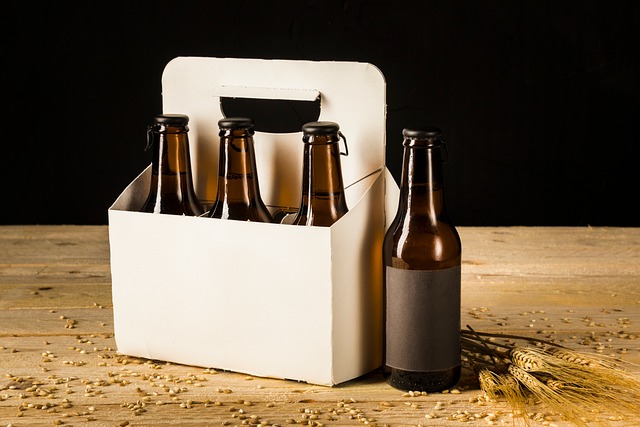
The Composition and Properties of Hemp-Based Plastic
Hemp-based plastic originates from the cellulose fibers found in the stalks of the hemp plant. The extracted cellulose is processed into biopolymer forms such as cellophane or composite resins that maintain structural integrity under varying conditions. The resulting material demonstrates high tensile strength, thermal resistance, and biodegradability. Manufacturers can mold or extrude it using standard plastic-processing equipment, minimizing the need for costly retooling.
Comparing Hemp-Based Plastic with Conventional Plastics
Traditional plastics depend heavily on fossil fuels like crude oil or natural gas, both major sources of greenhouse gas emissions. In contrast, hemp-based plastics emit far less carbon during production because their raw materials come from plants that absorb CO₂ while growing. Lifecycle assessments reveal that these bio-composites have lower ecological footprints due to renewable sourcing and improved end-of-life options such as composting or mechanical recycling.
Environmental Implications of Hemp-Based Packaging?
The environmental advantages of hemp packaging extend beyond its composition. Its agricultural cycle plays an essential role in soil regeneration and carbon capture, while its degradation characteristics help reduce persistent waste.
The Role of Hemp Cultivation in Carbon Sequestration
Hemp plants are recognized for their rapid growth rate and exceptional CO₂ absorption capacity—up to 15 tons per hectare annually in optimal conditions. They require minimal pesticides or herbicides, which reduces chemical runoff into waterways. Moreover, incorporating hemp into crop rotation systems enhances soil structure and microbial diversity, improving long-term agricultural sustainability.
Biodegradability and End-of-Life Management
Unlike conventional plastics that persist for centuries, hemp-based materials can decompose within months under industrial composting environments. Their breakdown produces fewer microplastics, mitigating one of the most pressing pollution issues linked to synthetic polymers. Integrating these bioplastics into circular economy models promotes resource recovery through composting or reprocessing rather than landfilling.
Technological Innovations Driving Hemp-Based Packaging Development?
Innovation in polymer chemistry and manufacturing processes is accelerating the commercial viability of hemp plastics. Research institutions and private companies are collaborating to refine material performance while reducing costs.
Advances in Polymer Science and Processing Techniques
Recent developments include blending hemp cellulose with other biodegradable polymers like polylactic acid (PLA) to enhance flexibility and heat tolerance. Scientists are experimenting with green catalysts derived from enzymes or ionic liquids to streamline polymerization reactions at lower energy inputs. These approaches improve product consistency without sacrificing sustainability metrics.
Scaling Production Through Industrial Innovation
Automation technologies now enable continuous processing lines capable of maintaining uniform quality across large batches. Modular production units allow localized manufacturing close to agricultural hubs, reducing transportation emissions. Partnerships between farmers cultivating industrial hemp and engineers developing bio-composites are shortening supply chains while improving traceability—an increasingly important factor under global sustainability reporting frameworks.
Economic Viability and Market Potential of Hemp-Based Packaging?
Economic feasibility remains a key consideration in scaling any new material technology. While initial costs are higher than traditional plastics, long-term trends suggest competitive parity as infrastructure matures.
Cost Comparison Between Bio-Based and Petroleum-Based Plastics
At present, the limited number of processing facilities keeps unit prices elevated for hemp-based materials. However, economies of scale typically drive down costs once demand stabilizes and production capacity expands. Government subsidies or tax incentives aimed at promoting renewable materials can further offset early investment barriers faced by manufacturers transitioning toward enviro friendly packaging solutions.
Market Demand Driven by Sustainability Regulations and Consumer Awareness
Global policy shifts targeting single-use plastics—such as extended producer responsibility schemes—are accelerating adoption of bio-alternatives. Major consumer brands increasingly highlight eco-friendly packaging as part of their corporate responsibility strategies to attract environmentally conscious buyers. Surveys show consumers are willing to pay modest premiums for biodegradable products when transparency about sourcing and disposal is clear.
Challenges and Strategic Opportunities in Implementation?
Despite its promise, deploying hemp-based packaging faces regulatory complexity and logistical challenges that must be addressed through coordinated efforts among stakeholders.
Regulatory Frameworks Governing Bio-Based Materials
Regulations defining biodegradability standards vary widely across regions—from ASTM D6400 in North America to EN 13432 in Europe—creating uncertainty for manufacturers operating globally. Establishing unified certification systems would help build consumer trust by verifying compostability claims through standardized testing protocols recognized by ISO or similar international bodies.
Integrating Hemp Packaging Into Existing Supply Chains
Adapting current manufacturing lines designed for petrochemical plastics requires technical adjustments such as temperature recalibration or tooling modifications. Consistent sourcing also poses difficulties since hemp yields fluctuate with weather conditions and regional cultivation limits. Strategic alliances between agricultural cooperatives, logistics providers, and end-product manufacturers can mitigate these risks while ensuring stable supply volumes year-round.
The Future Outlook for Enviro Friendly Packaging from Hemp-Based Plastics?
The next decade will likely determine whether hemp-based plastics evolve from niche innovation into mainstream material categories supporting global decarbonization targets.
Emerging Research Directions and Industry Collaborations
Research teams are exploring hybrid composites that combine hemp fibers with starches or algae-derived polymers to balance cost efficiency with mechanical performance. Universities partner with packaging firms to conduct field trials testing shelf life under real-world storage conditions such as humidity variation or UV exposure. Pilot programs across food service chains demonstrate scalability potential while identifying design improvements needed before full commercialization.
Long-Term Impact on Sustainability Goals Across Industries
Expanding adoption contributes directly to net-zero emission objectives outlined by frameworks like the Paris Agreement by displacing petroleum feedstocks with renewable biomass inputs. Increased demand stimulates rural economies through diversified crop portfolios centered around industrial hemp cultivation—a sector projected to grow steadily over the next decade according to market analysts tracking bio-material trends across Europe, North America, and Asia-Pacific regions.
FAQ
Q1: What makes hemp-based plastic more sustainable than traditional plastic?
A: It uses plant-derived cellulose instead of fossil fuels, emits less carbon during production, and decomposes naturally without generating harmful microplastics.
Q2: Can existing factories process hemp plastic without major changes?
A: Most facilities can adapt with moderate adjustments since hemp polymers melt at similar temperatures as conventional thermoplastics.
Q3: How long does it take for hemp-based plastic to biodegrade?
A: Under industrial composting conditions, it typically decomposes within three to six months depending on thickness and formulation.
Q4: Is large-scale production economically feasible today?
A: Costs remain higher but are expected to decline as infrastructure expands and government incentives promote renewable material adoption.
Q5: Which industries are leading adopters of enviro friendly packaging using hemp?
A: Food service companies, cosmetics brands, and consumer goods manufacturers currently lead trials integrating hemp composites into their sustainable product lines.