How to choose wooden box suppliers for export packaging
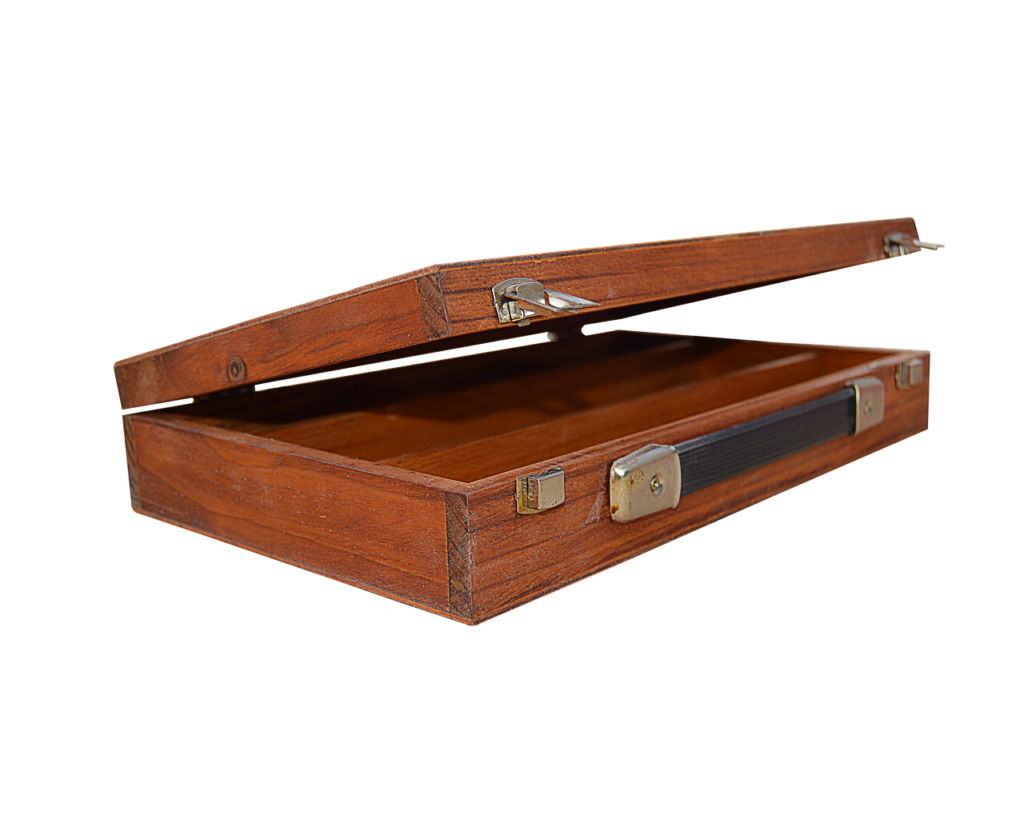
Choosing wooden box suppliers for export packaging should start with the shipment risk, not the unit price. A low-cost box is useful only if it protects the cargo, suits the handling route, meets destination requirements and comes with traceable documents before the shipment leaves the factory. For international shipments, buyers should pay particular attention to ISPM 15 treatment and marking when the box is used as wood packaging material. USDA APHIS states that regulated wood packaging material entering or transiting the United States must be pest-free, debarked, treated and marked with an ISPM 15 logo. (direct.aphis.usda.gov)
This guide outlines a practical way to evaluate wooden box suppliers, including export packaging vendors, industrial crate makers, plywood box factories and reusable wood packaging providers. For related sourcing articles, visit the Buyer’s Guide.

Match the supplier type to the job
The term wooden box can describe very different products. A light plywood box for retail goods, a nailed export crate for machinery, a pallet box for warehousing and a decorative solid wood case are not the same sourcing project. Before contacting suppliers, define what the package must do.
- Industrial export boxes and crates: Used for machinery, metal parts, equipment, spare parts and heavy cargo. Strength, lifting points, blocking, bracing and export compliance matter more than appearance.
- Plywood boxes: Common for light and medium-duty shipments. They can reduce weight compared with solid timber and may be easier to customize, but panel grade and edge reinforcement must be specified.
- Pallet boxes and collars: Useful when the box must work with forklifts, racking or reusable logistics systems.
- Decorative wooden boxes: Used for wine, tea, gifts, cosmetics or premium retail packaging. Surface finish, printing, hinges, inserts and consistency are usually more important than heavy-duty load performance.
- Custom crates: Needed when the product is oversized, fragile, high-value or irregularly shaped. The supplier should be able to design internal support, not only outer panels.
A common sourcing mistake is sending the same drawing to every vendor without explaining the cargo. A stronger request for quotation should include product dimensions, weight, center of gravity, stacking expectations, shipping mode, destination country, storage environment and whether the box will be opened once or reused.
Check export compliance before discussing price
For export packaging, a compliance failure can cost more than a cheaper box saves. ISPM 15 is the main issue for solid wood packaging material used in international trade. USDA APHIS explains that the U.S. export program helps ensure that wood packaging material carrying the official ISPM 15 mark has been properly treated according to the standard. (aphis.usda.gov)
Buyers should ask wooden box suppliers to confirm whether the proposed box contains regulated solid wood packaging material, whether it is heat-treated or fumigated under an approved program, and whether every required mark is applied correctly and legibly. The mark is not a decorative stamp; it is part of the compliance evidence that customs, inspection and quarantine authorities may check.
As of January 1, 2026, APHIS and U.S. Customs and Border Protection resumed enforcement of the ISPM 15 Annex 2 hyphen requirement in compliant marks after a previous suspension period. This is a small formatting detail, but it shows why buyers should not rely on old stamp photos or outdated supplier templates as proof. (aphis.usda.gov)
Compliance questions should also cover the product itself when the wooden box is the imported item, not just packaging. APHIS says Phase VII of Lacey Act declaration implementation began on December 1, 2024 for certain imported plant and wood products, including some products with composite wood materials listed in the implementation schedule. (aphis.usda.gov) Buyers should work with a customs broker or compliance specialist when tariff classification, species declaration or composite wood content is uncertain.
Evaluate design capability, not just manufacturing capacity
A supplier that can cut panels and nail frames is not always able to design a safe export package. The design should reflect the product risk and the logistics conditions. Ask whether the supplier can provide drawings, load assumptions, material specifications and packing instructions.
| Buyer requirement | Why it matters | Evidence to request |
|---|---|---|
| Load capacity | Prevents failure during lifting, stacking and road vibration | Box drawing, material list, fastening method and stated load limit |
| Internal blocking and bracing | Stops the product from moving inside the box | Photos, packing diagram and installation instructions |
| Forklift and sling handling | Reduces damage during warehouse and port handling | Base design, runner size, lifting marks and handling labels |
| Moisture protection | Important for sea freight, storage and metal products | Liner, barrier bag, desiccant plan or ventilation design where needed |
| Opening and inspection access | Helps customs inspection and end-user unpacking | Removable panels, screw positions and unpacking notes |
The supplier should be able to explain design trade-offs. A thicker panel may increase strength, but it also adds weight and can increase freight cost. A fully sealed box may protect against dust, but it can trap moisture if the cargo is packed wet. A reusable structure may reduce long-term waste, but it requires higher upfront cost and better reverse logistics.
Build a document checklist for every order
Documentation is where many sourcing problems first become visible. Reliable wooden box suppliers should provide a consistent paper trail that matches the box, the shipment and the markings. Buyers should not wait until cargo is at the port to request documents.
- Commercial quotation with box dimensions, materials, quantity, unit price, tooling or design fees and lead time.
- Technical drawing or specification sheet showing panels, base, fasteners, internal supports and tolerances.
- ISPM 15 treatment or compliance evidence when regulated wood packaging material is used.
- Clear photos of the finished box, marks and critical construction details before shipment.
- Packing method or assembly instructions if the supplier ships flat-packed boxes.
- Material statements when FSC, recycled content, formaldehyde limits or customer-specific wood policies are required.
- Inspection report or production checklist for repeat orders.
If a supplier claims sustainable sourcing, buyers should ask what the claim means in documentation terms. The Forest Stewardship Council explains that chain of custody certification applies to organizations in the supply chain that want to make FSC claims on products or sales documents. (us.fsc.org) A supplier saying that wood is green, eco or responsibly sourced is not the same as providing a valid certification claim on transaction documents.
Compare total landed cost instead of unit price only
Wooden box quotations often look inconsistent because suppliers include different scopes. One quote may include design, heat treatment, export marking, palletization and local delivery. Another may cover only the empty box. Buyers should normalize quotes before selecting a supplier.
Compare these cost items separately:
- Box cost: Materials, labor, fasteners, hinges, handles, printing and inner supports.
- Compliance cost: Treatment, marking, certificates or additional documentation where applicable.
- Freight impact: Box weight, outer dimensions and whether the design increases chargeable volume.
- Damage risk: A lower price may be false economy if the design is weak or inconsistent.
- Handling cost: Forklift-ready bases, stackability and easy unpacking can reduce warehouse labor.
- Inventory cost: Standardized box sizes may reduce purchasing complexity, while custom sizing may reduce void space.
For valuable products or demanding routes, an effective supplier comparison should include a sample or pilot shipment. The goal is not to find the lowest wooden box price in isolation, but to reduce total packaging risk across production, inspection, transport, customs and final unpacking.
Use a structured supplier qualification process
A simple qualification process can prevent many common sourcing failures. Start with document screening, then test communication, and then verify a sample or first article before approving mass production. See also: Food Packaging.
Screen basic capability
Ask for product photos, factory scope, material options, past export packaging categories and quality control steps. Avoid relying only on catalog images. For industrial boxes, request examples that are similar in weight, size and handling route to your cargo.
Test engineering communication
Send the same technical brief to shortlisted suppliers and compare the quality of their questions. A capable supplier will ask about load direction, stacking, moisture, lifting, destination rules and unpacking. A weak supplier may quote immediately without clarifying the shipment risk.
Approve a sample or first article
For repeat business, approve the first box against a written checklist. Measure dimensions, inspect fasteners, check panel thickness, review mark placement and confirm that internal supports match the drawing. Keep photos and the approved specification for future orders.
Monitor repeat consistency
Wooden packaging is often purchased under time pressure, which can lead to undocumented substitutions. Buyers should define which changes require approval, such as wood species, panel grade, fastener type, base design, surface finish or compliance marking format.
Common red flags when choosing wooden box suppliers
Supplier risk is not always visible in the first quotation. Watch for signs that the vendor may not understand export packaging or may be cutting corners.
- The supplier says ISPM 15 is available but cannot explain treatment method, marking responsibility or document timing.
- The quotation does not specify material grade, thickness, base design or inner supports.
- The supplier refuses to provide pre-shipment photos for custom boxes.
- The box drawing does not match the cargo weight or handling method.
- The supplier uses sustainability claims without transaction-level evidence.
- The lead time depends on untreated timber availability, but the supplier does not disclose this risk.
- The vendor quotes only on outer dimensions and ignores product fixation inside the box.
Not every red flag means the supplier is unusable. Some smaller manufacturers can perform well if the buyer provides precise specifications and inspection steps. The main question is whether the supplier can give clear, verifiable answers before the shipment becomes urgent.
Frequently asked questions
Are all wooden boxes subject to ISPM 15?
No. ISPM 15 is mainly relevant to regulated wood packaging material used to support, protect or carry cargo in international trade. The answer depends on the material, treatment status, destination rules and whether the wooden box is packaging or the product being imported. Buyers should confirm with the supplier and logistics or customs partners before shipment.
What information should I send to wooden box suppliers for a quote?
Send product dimensions, weight, photos or drawings, center of gravity if relevant, shipping mode, destination country, stacking needs, handling method, storage conditions, compliance requirements and expected order volume. The more precise the brief, the easier it is to compare quotations fairly.
Is plywood better than solid wood for export boxes?
Neither is automatically better. Plywood can be lighter and dimensionally stable for many applications, while solid wood frames may be useful for strength and heavy-duty bases. The right choice depends on load, route, moisture exposure, budget and compliance requirements.
Should I choose a local supplier or an overseas supplier?
Local suppliers may offer faster communication, easier inspection and quicker emergency support. Overseas suppliers may offer lower manufacturing cost or special capacity. For export packaging, the deciding factors should be total landed cost, compliance confidence, design quality and the cost of fixing problems after cargo is packed.
How can I reduce damage claims with wooden export boxes?
Use written specifications, correct internal blocking, moisture control when needed, clear handling marks, first-article approval and pre-shipment photos. Damage reduction usually comes from better design and process control, not only thicker wood.
Final sourcing takeaway
The strongest wooden box suppliers are not simply the factories with the lowest price. They understand the cargo, design the box around the route, document compliance clearly and keep production consistent across repeat orders. For buyers, the practical approach is to define the shipment risk first, require written specifications, verify ISPM 15 or other compliance needs early, and compare suppliers on total landed performance. This turns wooden box sourcing from a last-minute purchasing task into a controlled part of export risk management.