Chocolate packaging materials, shelf life and compliance choices in 2026
What chocolate packaging must do first
Chocolate packaging has a practical job before it has a marketing role: it must keep the product stable until the consumer opens it. A suitable pack protects against oxygen, moisture, light, odor pickup, heat-related quality loss and physical scuffing. It also has to carry the label information required in the market where the chocolate is sold.
In 2026, that choice is more complex. Brands are reviewing recyclability claims, packaging weights, supplier declarations and future retail data needs at the same time as shelf-life performance. The strongest option is rarely the most decorative one. It is the structure that fits the chocolate format, shelf-life target, distribution channel and compliance burden without adding unnecessary material complexity.
For readers comparing formats across snacks, bakery items and confectionery, our Food Packaging section covers related material and design issues.
Why chocolate needs a different packaging approach
Chocolate looks durable, but it is sensitive to its surroundings. Cocoa butter can change appearance when temperature fluctuates, causing fat bloom that appears as a pale or dusty surface. Sugar bloom can occur when moisture condenses on the surface, dissolves sugar and then allows it to recrystallize. These issues do not always mean the product is unsafe, but they can damage consumer trust because shoppers judge chocolate by appearance, snap, aroma and mouthfeel.
Barrier performance is important because chocolate absorbs odors easily. A bar stored near strongly scented materials can pick up off-notes, especially if the inner wrap has a weak aroma barrier. Oxygen can also contribute to rancidity in products with nuts, wafers, inclusions or higher-fat fillings. Light exposure is another concern for premium products because it can accelerate quality loss and discolor sensitive ingredients.
The packaging structure should therefore be selected from the product outward. A plain dark chocolate tablet may not need the same structure as a filled praline, nut cluster, coated wafer, seasonal gift assortment or baking chocolate pouch. The more delicate the surface or filling, the more the pack must manage both barrier protection and mechanical protection.
Common chocolate packaging materials and where they fit
Most chocolate packs combine an inner food-contact layer with an outer display or protection layer. The inner layer manages barrier, seal integrity and direct food contact. The outer layer provides graphics, stiffness, shelf presence and, in some cases, additional protection during shipping.
| Packaging option | Where it works well | Main advantage | Key limitation |
|---|---|---|---|
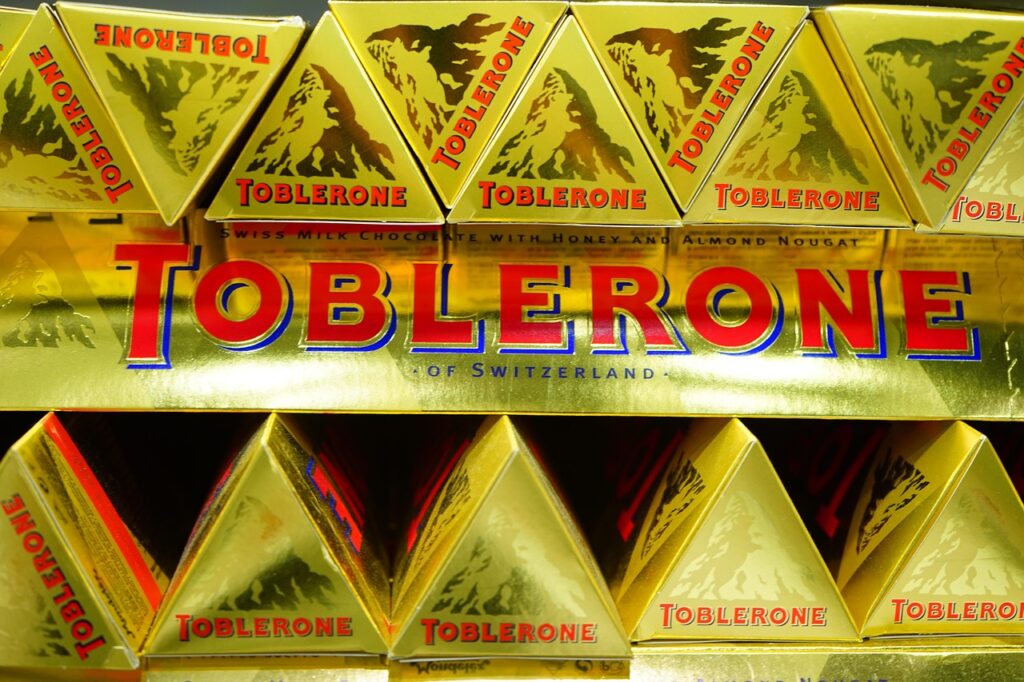
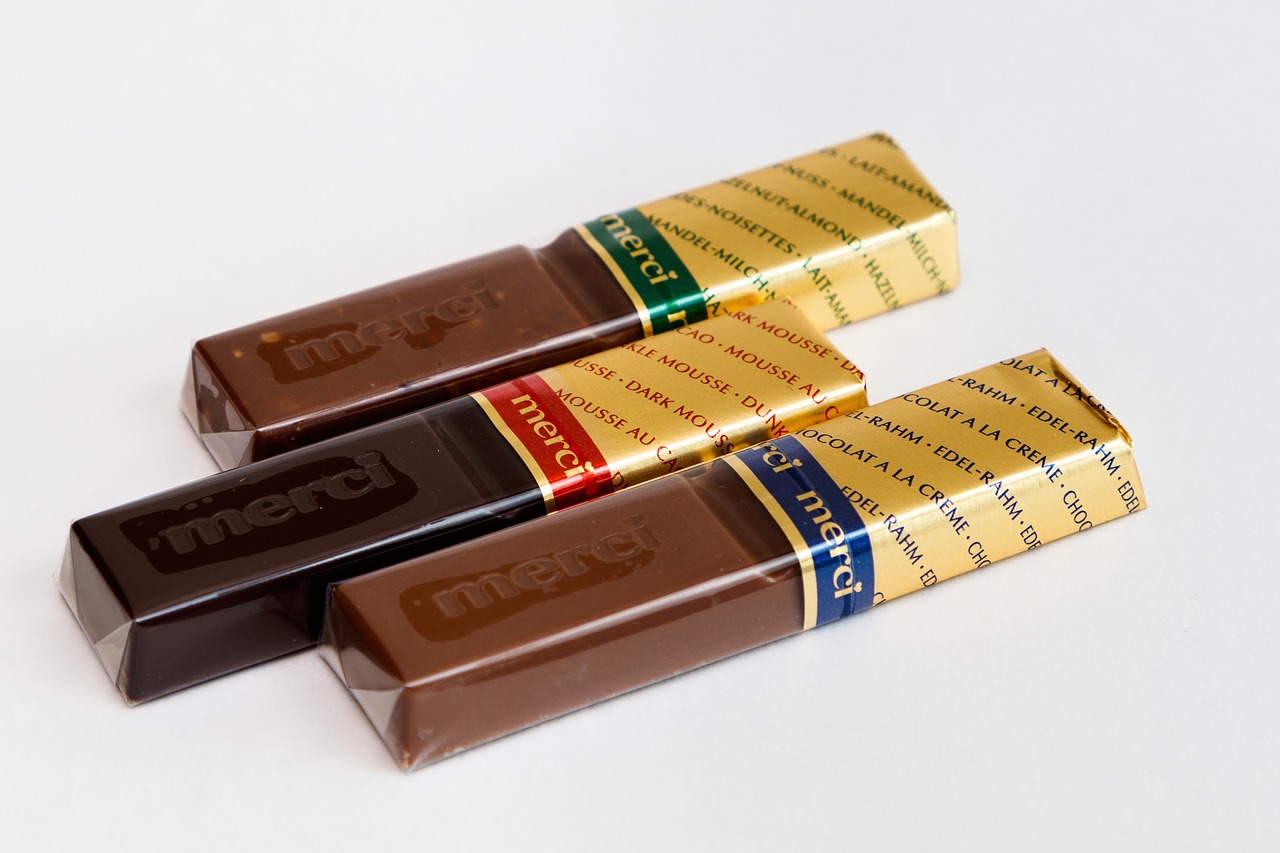
| Aluminum foil with paper wrap | Chocolate tablets and premium bars | Strong light and aroma barrier with a familiar premium feel | Multi-material formats may be harder to recycle unless separable and locally accepted |
| Metallized plastic film | Flow-wrapped bars, coated snacks and mini portions | Good barrier with lower material weight than many rigid formats | Recyclability can be limited when the structure is multi-layer or not accepted in collection systems |
| Paperboard carton with inner wrap or tray | Gift boxes, assortments and seasonal packs | High print quality, stiffness and strong branding surface | Can become over-packaged if cavities, inserts and wraps are not justified by product protection |
| Mono-material flexible film | Pouches, sharing bags and some wrapped bars | Can support design-for-recycling goals when compatible with the target recycling stream | May require testing to confirm barrier, machinability and seal performance |
| Rigid plastic tray or blister | Pralines and fragile molded chocolates | Protects shape and separates pieces | Adds visible plastic and may increase packaging weight |
| Coated or treated paper | Artisan bars and short shelf-life products | Paper-based appearance and tactile appeal | Coatings must be food-contact suitable, and the final structure may not recycle like ordinary paper |
A common mistake is to compare materials by appearance alone. A paper-based wrap may look simpler, but if it allows aroma loss, moisture pickup or a shorter shelf life, the total environmental and commercial result may be worse. Likewise, a high-barrier plastic film may be technically efficient but still create marketing and regulatory questions if recyclability claims are not properly qualified.
Barrier, sealing and shelf-life checks before launch
Packaging development should include a short list of measurable checks before artwork is finalized. These checks do not need to be complicated, but they should reflect how the chocolate will actually move through production, storage, retail and delivery.
- Oxygen and aroma barrier: Important for dark chocolate, nut-filled products and premium assortments where flavor quality is part of the value proposition.
- Moisture control: Important for wafers, crisp inclusions, powders, sugar coatings and products shipped through humid climates.
- Light protection: Important when transparent windows are considered. Windows may improve shelf visibility but can reduce protection if overused.
- Seal integrity: Flow wraps, pouches and inner bags should be tested for consistent seals at real packing speeds, not only in lab samples.
- Grease resistance: Direct-contact papers and boards must resist staining and oil migration without unsuitable coatings.
- Scuff and compression resistance: Especially important for ecommerce, club packs and seasonal assortments stacked in transit.
Temperature is a separate packaging challenge. Most ordinary retail chocolate packs are not active temperature-control systems. They can slow quality loss, prevent odor transfer and protect surfaces, but they cannot stop melting in uncontrolled hot logistics. For ecommerce or summer distribution, brands may need insulated shippers, coolants, shorter transit windows or seasonal shipping rules. Packaging claims should not imply heat protection unless the full shipping system has been tested.
Compliance points that affect chocolate packaging
Compliance starts with food-contact suitability. In the United States, the FDA regulates food-contact substances, including many packaging components that may contact food directly or indirectly. In the European Union, food-contact materials are governed by framework rules requiring materials not to transfer constituents to food in ways that endanger health or change food quality unacceptably. For a chocolate brand, the practical step is to obtain supplier documentation for each food-contact layer, adhesive, coating, ink system or recycled-content component used near the product.
Labeling is just as important as the physical pack. Retail chocolate labels commonly need a statement of identity, net quantity, ingredient declaration, allergen information, Nutrition Facts or the local equivalent, business name and address, lot coding and any required country- or market-specific information. Exact placement and exemptions depend on jurisdiction, package size and product type, so artwork should be checked before plates, cylinders or digital templates are approved.
Allergens deserve close attention in chocolate because many products contain, or are made on equipment that also handles, milk, soy, peanuts, tree nuts, wheat, sesame or other regulated allergens. In the United States, sesame became the ninth major food allergen from January 1, 2023. That change matters for chocolate brands using sesame inclusions, tahini fillings, bakery-style components or shared lines. Precautionary statements should not be used as a substitute for allergen control; they need to reflect real manufacturing risk and local regulatory expectations.
Environmental claims also need evidence. The FTC Green Guides in the United States state that recyclable, recycled-content and compostable claims should be substantiated and properly qualified. A chocolate carton may be recyclable in many curbside systems, while a metallized inner wrap may not be. Calling the whole pack recyclable without explaining the components can mislead consumers and create regulatory risk.
Regulatory and retail shifts to watch in 2026
The main change for packaging teams in 2026 is that sustainability is moving from a brand message to a data and compliance task. The EU Packaging and Packaging Waste Regulation entered into force in February 2025, and its rules began applying on a phased basis from August 12, 2026. The regulation is designed to reduce packaging waste, improve recyclability and introduce recycled-content requirements for plastic packaging over future milestones, including 2030 targets.
In the United States, packaging extended producer responsibility is developing at the state level rather than through one national program. Oregon has required producers of covered products, including packaging and food serviceware, to register, report supply data and pay fees through an approved producer responsibility organization from 2025 onward. California also finalized rules under its packaging producer responsibility framework in 2026, with goals focused on reducing single-use plastic and making covered packaging recyclable or compostable. Brands selling chocolate into multiple states should therefore track packaging weights, material categories and sales channels by state instead of treating packaging compliance as a single federal question. See also: Eco Packaging.
Retail data is another practical pressure. GS1’s Sunrise 2027 initiative aims for retail point-of-sale systems to read 2D barcodes by the end of 2027. For chocolate packaging, this does not mean every wrapper must immediately remove its linear barcode. It does mean artwork teams should plan space, contrast and verification for future 2D symbols that can connect shoppers and retailers to richer product data, such as batch information, recipes, sustainability details or recall support.
Design choices that balance shelf impact and responsibility
Chocolate is often bought as a treat, gift or impulse purchase, so design still matters. Color, finish, typography, opening style and tactile feel can signal whether a product is everyday, premium, playful, seasonal or artisanal. However, design value should be built around information clarity and protection, not decoration alone.
Premium chocolate packs often use paperboard sleeves, textured papers, foil details or rigid gift boxes. These can work well when they support gifting, protect delicate pieces or justify a higher-value presentation. The risk is overbuilding the pack with too many layers. A tray, cushion pad, sleeve, wrap, ribbon, window and shipper may make the product feel excessive if each component has no clear function.
Minimal packaging has its own risks. A thin wrap may look responsible, but it can fail if it scuffs easily, tears on shelf, obscures required label information or shortens shelf life. A better approach is right-weighting: remove material that does not protect, inform, sell or comply, while keeping the layers that prevent waste and returns.
- Use separable components where possible, such as a paper carton and a clearly identified inner wrap.
- Avoid dark inks, heavy coatings or decorative laminations that interfere with recycling when they are not essential.
- Keep required label information readable at normal shopping distance.
- Test opening and reclosure for pouches or sharing packs, especially where portion control matters.
- Reserve transparent windows for products that benefit from visibility and can tolerate light exposure.
A practical selection framework for chocolate brands
The best way to choose chocolate packaging is to define the product risk first, then select the structure. A plain tablet sold through indoor retail may need a high-quality inner wrap and a printed paper sleeve. Filled chocolates may need cavities or trays to prevent deformation. Chocolate-coated biscuits may need higher moisture protection to keep crispness. Ecommerce gift boxes may need both a retail pack and a protective outer shipper tested for heat, drop and compression exposure.
Use the following framework before requesting supplier quotes:
- Define the chocolate format: Bar, bite, truffle, pouch, coated snack, baking chocolate or gift assortment.
- Set the shelf-life target: Include expected climate, storage, retail channel and whether the pack will face ecommerce shipping.
- List quality risks: Bloom, odor pickup, fat migration, moisture loss or gain, breakage, scuffing and seal failure.
- Confirm food-contact status: Request declarations for direct-contact layers, adhesives, coatings, inks and recycled-content materials.
- Check label space: Ensure room for ingredients, allergens, nutrition, net weight, lot code, date code, barcode and local language needs.
- Review end-of-life claims: Do not make recyclable, compostable or plastic-free claims unless the complete structure supports them in the intended market.
- Prototype and test: Run machine trials, transit tests, shelf-life checks and consumer opening checks before committing to full production.
This process may take longer than choosing a standard wrapper from a catalog, but it reduces costly artwork changes, claim revisions and packaging failures. It also gives procurement teams a clearer brief: the supplier is not simply quoting a film, foil or carton, but solving a defined protection and compliance problem.
Frequently asked questions
What is the best material for chocolate packaging?
There is no single best material. Foil and paper can work well for premium bars, metallized films can work for flow-wrapped snacks, and cartons with inner wraps can work for assortments. The right choice depends on shelf life, barrier needs, retail channel, machinery, cost and end-of-life requirements.
Can chocolate be packaged in recyclable paper only?
Sometimes, but only when the paper structure provides enough grease resistance, odor protection and moisture control for the product. Many paper-only concepts need coatings or inner barriers, and those additions can change recyclability. The final structure should be tested, and claims should be qualified for the intended market.
Does sustainable chocolate packaging always mean less packaging?
No. Less material is useful only when product protection is maintained. If an under-protected pack causes melting damage, breakage, flavor loss or returns, the total waste may increase. Sustainable design should right-weight the pack and avoid unnecessary material complexity.
What label issues are most common on chocolate packaging?
Common issues include small or crowded allergen statements, missing net quantity placement checks, unverified nutrition panels, poor lot-code visibility and environmental claims that apply to only one component of a multi-material pack. Artwork review should happen before production tooling is finalized.
How should ecommerce change chocolate packaging?
Ecommerce adds heat exposure, vibration, drops and longer uncontrolled transit. A retail carton alone may not be enough. Brands should test the combined system, including inner wrap, retail pack, void fill, insulated shipper if needed and delivery timing during warm seasons.