Dry food packaging guide for shelf life, safety, and logistics
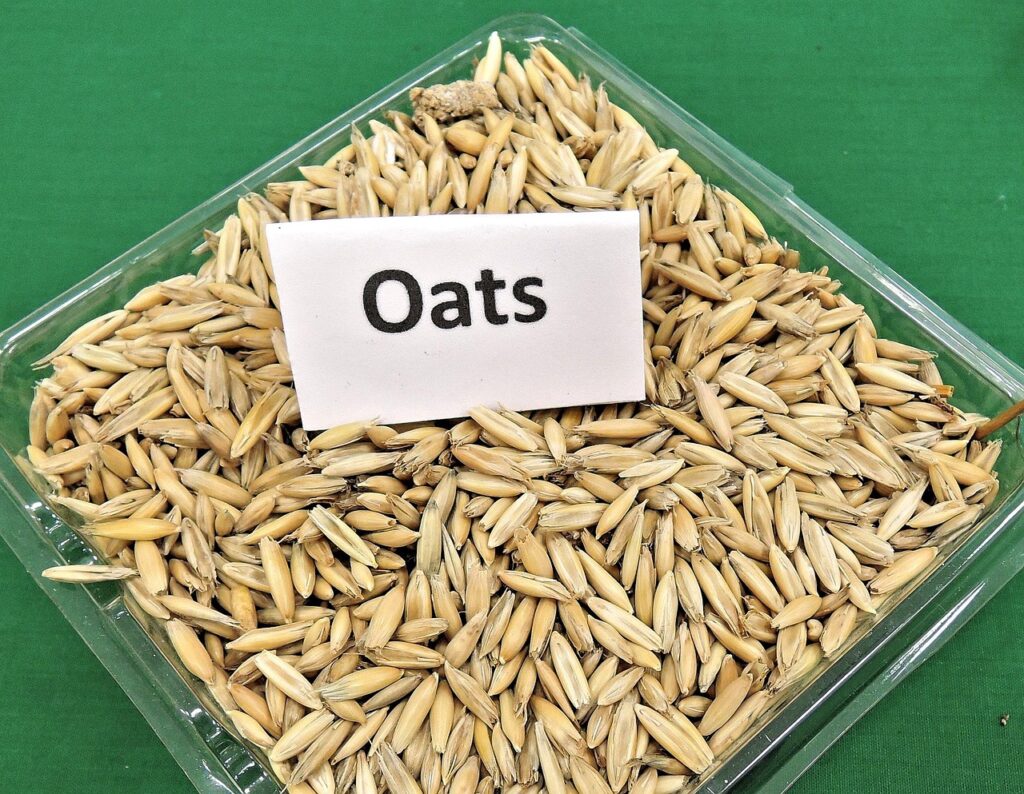
Dry food packaging starts with moisture control
Dry food packaging is more than a bag, pouch, carton, or jar around a shelf-stable product. It is part of the control system for moisture, oxygen, light, odor transfer, pests, seal integrity, handling damage, and food-contact compliance. A sound specification starts with the product itself: water activity, fat content, particle size, fill temperature, target shelf life, and whether the food is eaten without another kill step. FDA food-contact tables distinguish dry solids with no free fat or oil from dry solids with free fat or oil, which is a useful reminder that two dry products may need different packaging assumptions. (fda.gov) For more category context, see our Food Packaging section.
For manufacturers, importers, brand owners, and packaging buyers, the practical goal is straightforward: choose a structure that keeps the food dry and acceptable through its actual distribution route, while maintaining verifiable food-contact documentation and avoiding sustainability claims the pack cannot support.
What makes dry food different from wet or chilled food
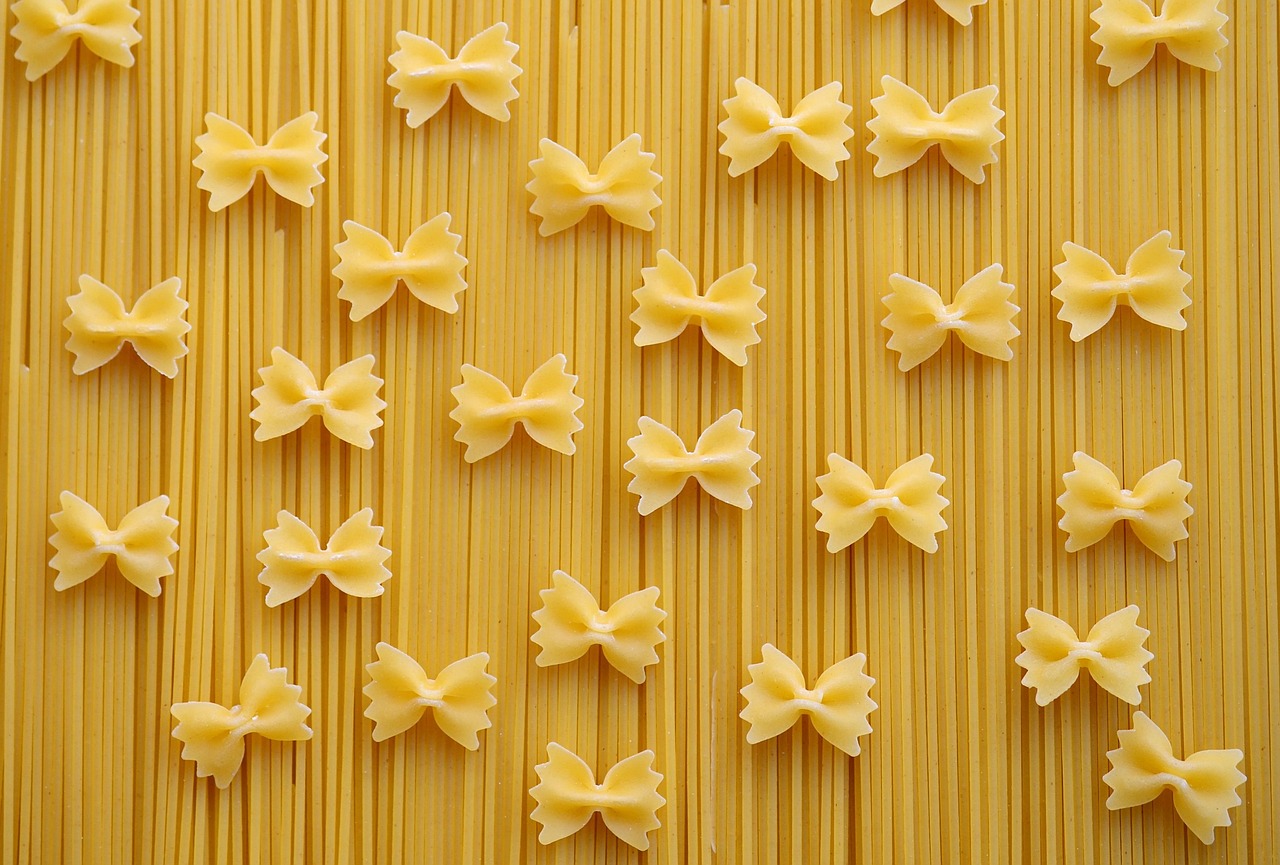
Dry foods usually rely on reduced available water for shelf stability. That does not make them risk-free. Low-moisture products can still lose quality through caking, staling, flavor loss, rancidity, insect intrusion, aroma pickup, or moisture migration between ingredients. Crackers that lose crispness, milk powder that clumps, spices that fade, and nuts that turn rancid are different failures, but packaging can influence each outcome.
Food safety also needs attention. FDA’s 2025 draft guidance on low-moisture ready-to-eat human foods lists examples such as powdered infant formula, powdered drink mixes, processed tree nuts, milk powders, powdered spices, snack foods, crackers, granola bars, and dry cereal. (fda.gov) Codex guidance for low-moisture foods notes that Salmonella can persist for a prolonged period in the dry state and emphasizes avoiding the introduction of water in these environments. (fao.org) Packaging cannot make an unsafe product safe, but it can help preserve the controls achieved through formulation, processing, sanitation, and storage.
That is why dry food packaging should not be selected by material name alone. Paper, PET, PE, PP, foil, metallized film, glass, and metal can all be suitable in some applications and unsuitable in others. The real question is whether the finished package protects the specific food under the expected conditions.
Match the package structure to the food, not the category name
The same broad category can hide very different packaging needs. A plain rice pack has different risks from a high-fat granola pouch. A fine powder behaves differently from whole nuts, even when both are shelf-stable. The table below summarizes common decision points for dry food packaging specifications.
| Product group | Main packaging risk | Common packaging approach | Specification questions |
|---|---|---|---|
| Cereal, crackers, and baked snacks | Moisture pickup, loss of crispness, crushing | Form-fill-seal film, bag-in-box, pillow pouch, carton with inner liner | What humidity range will the product see, and how much headspace or cushioning is needed? |
| Powders such as milk powder, drink mix, flour, or protein powder | Clumping, dust in seals, odor pickup, moisture ingress | High-barrier pouch, canister, composite can, lined carton, resealable bag | Can the seal stay clean during filling, and does the closure protect after first opening? |
| Nuts, seeds, granola, and oily dried foods | Oxidation, rancidity, flavor loss, oil migration | Barrier pouch, nitrogen-flushed pack, jar, can, or laminated film | Is oxygen control needed, and does the food-contact layer tolerate oils? |
| Rice, pasta, grains, and legumes | Tearing, infestation, moisture, pallet compression | PE or PP bag, paper sack with liner, woven sack, carton for retail packs | Will the package survive stacking, puncture, and long warehouse storage? |
| Spices, tea, coffee, and aromatics | Aroma loss, odor transfer, light exposure, oxidation | Barrier pouch, tin, jar, sachet, or carton with inner barrier | Is aroma retention more important than visibility or low material weight? |
The strongest package on paper is not always the best choice. Excessive barrier can raise cost and complicate recycling, while under-specification can shorten shelf life or cause complaints. A useful specification states the target shelf life, storage assumptions, barrier needs, closure design, printing and ink restrictions, pallet pattern, and retesting triggers.
Food-contact compliance and supplier documentation
Dry food packaging must be suitable for food contact in the market where the packaged product is sold. In the United States, FDA food-contact evaluations consider food type and condition of use, including categories for dry solids and conditions such as room-temperature filling and storage. (fda.gov) In the European Union, food-contact materials are governed by framework requirements, and plastic food-contact materials require a Declaration of Compliance supported by documentation that enforcement authorities can request. The European Commission also lists amendments and specific rules covering plastics, recycled plastics, active and intelligent materials, ceramics, and regenerated cellulose film. (food.ec.europa.eu)
For a packaging buyer, supplier files should be more specific than a simple statement that a material is food grade. A useful document set may include material composition, intended food types, temperature and time limits, migration or extraction test basis where applicable, ink and adhesive controls, allergen or contamination controls in the packaging plant, and change-notification procedures. For EU plastic materials, the Declaration of Compliance should match the actual structure and intended conditions of use, not a generic film family.
Food safety management systems may also matter commercially. ISO states that ISO 22000 sets requirements for a food safety management system, can be certified to, and can be used by organizations regardless of size or position in the food chain. (iso.org) Certification alone does not prove that a specific pouch, bag, or carton is compliant, but it can support supplier qualification when combined with product-specific documentation.
Barrier, closure, and testing should be specified together
Barrier properties are often discussed through terms such as water vapor transmission rate, oxygen transmission rate, light barrier, grease resistance, and aroma barrier. These are important measures, but they do not work in isolation. A high-barrier film with a weak zipper, poor seal geometry, pinholes, or fragile corners can fail faster than a simpler structure with stronger converting and sealing control.
For dry foods, closure design is often underestimated. A pack may protect well before opening but perform poorly after the consumer opens it. Resealable zippers, screw caps, induction seals, tin ties, sliders, and press-to-close features should be selected based on particle size, powder dusting, consumer use, and the expected number of openings. Powders can contaminate seal areas. Sharp foods can puncture films. Large bags can fail at handles or gussets. E-commerce packs may face drops and compression that retail shelf packs never experience.
Distribution testing connects the package design to real handling conditions. ISTA guidance says test selection depends on understanding the actual distribution environment, including how packages are shipped, handled, stored, and observed in warehouses, vehicles, and customer locations. It also states that test protocols should be repeated periodically or when the product, package, or process changes. (ista.org) For dry food packaging, practical validation can include drop, vibration, compression, leak or seal integrity, shelf-life storage at defined humidity and temperature, pallet stability, and checks after opening and reclosing.
Active components such as desiccants, oxygen absorbers, or scavenging layers may help in some applications, but they should be validated and legally suitable for the intended market. They should not be used as a shortcut to cover a poor seal, an incompatible material, or weak sanitation controls. See also: Eco Packaging.
Sustainability pressures are changing dry food packaging specifications
Sustainability is no longer only a marketing preference. It is becoming a specification constraint. In the EU, the Packaging and Packaging Waste Regulation entered into force in February 2025, and its rules began to apply on a phased basis from 12 August 2026. The European Commission stated that the regulation aims to address packaging waste growth and make packaging less wasteful, more recyclable, and more clearly labelled. (environment.ec.europa.eu) Official EU guidance also states that food-contact packaging placed on the market after 12 August 2026 must comply with PPWR limits for PFAS, while packaging placed on the market before that date does not need to be withdrawn for that reason. (eur-lex.europa.eu)
For dry food packaging, this creates a practical tension. Many shelf-life requirements have traditionally been met with multilayer laminates, foil structures, metallized films, or mixed-material packs. These structures can deliver strong moisture and oxygen protection, but they may be harder to recycle than mono-material designs. At the same time, a recyclable-looking package that allows staling, clumping, or food waste is not a responsible solution.
A careful redesign process compares options instead of assuming one material is automatically sustainable. Mono-material PE or PP pouches may improve recyclability in some systems, but they must still meet barrier and seal needs. Paper-based packs may reduce plastic use, but coatings, liners, windows, and grease barriers can affect recyclability and food-contact suitability. Lightweighting can reduce material use only if the pack still survives filling, palletizing, transport, and consumer handling.
A practical dry food packaging selection workflow
Before approving a new pack or changing an existing one, use a workflow that connects product science, compliance, logistics, and sustainability:
- Define the product risk. Record water activity, moisture sensitivity, fat level, aroma sensitivity, particle size, sharp edges, and whether the product is ready to eat.
- Map the use conditions. Include filling temperature, shelf-life target, warehouse climate, export route, retail display, e-commerce exposure, and consumer reclosure needs.
- Select the contact layer first. Confirm that it is suitable for the food type, fat content, temperature, and regulatory market.
- Specify barrier performance. Define moisture, oxygen, light, grease, and aroma requirements based on the product rather than copying another SKU.
- Design the closure and seal area. Consider powder contamination, zipper usability, torque, tamper evidence, and seal inspection methods.
- Check documentation. Request food-contact declarations, use limitations, change-control commitments, and supporting compliance information from suppliers.
- Validate shelf life. Test under realistic temperature and humidity conditions, and compare sensory, moisture, texture, caking, and oxidation results.
- Validate distribution. Use package testing that reflects the actual channel, and retest after material, component, filling, or logistics changes.
- Review recyclability claims carefully. Confirm whether local collection, sorting, and recycling systems can handle the final structure, including labels, inks, coatings, valves, windows, and closures.
This process may take longer than choosing a standard pouch or carton, but it reduces the risk of expensive relaunches, recalls, customer complaints, and unsupported environmental claims.
Frequently asked questions
What is considered dry food packaging?
Dry food packaging is packaging used for low-moisture or shelf-stable foods such as cereals, crackers, grains, powders, nuts, pasta, legumes, spices, dried fruit, snacks, and drink mixes. The packaging may be flexible, rigid, paper-based, plastic-based, metal, glass, or composite, depending on the product risk.
Is paper packaging enough for dry foods?
Sometimes, but not always. Plain paper can work for certain short-shelf-life or low-risk dry goods when used with an inner liner or secondary protection. Moisture-sensitive, oily, aromatic, or powder products often need additional barrier layers or coatings. The final structure should be judged by shelf-life testing and food-contact suitability, not by material name alone.
Do dry foods need oxygen absorbers?
Only some dry foods need oxygen absorbers. Nuts, seeds, high-fat snacks, certain powders, and oxygen-sensitive products may benefit from oxygen control. Other dry foods mainly need moisture protection and strong seals. If an absorber is used, it should be validated for the package volume, oxygen load, shelf-life target, and applicable food-contact rules.
How often should dry food packaging be retested?
Packaging should be retested when the product, material, closure, seal condition, pack size, filling process, pallet pattern, or distribution route changes. Periodic retesting is also useful for long-running products, especially when suppliers, warehouses, or e-commerce channels change.
How can dry food packaging become more recyclable without shortening shelf life?
Start by identifying which barrier is truly needed. Then compare mono-material films, downgauged structures, recyclable-ready laminates, paper-based alternatives with compatible coatings, and reusable or refill concepts where appropriate. Any redesign should be tested for shelf life, seal integrity, consumer use, and distribution performance before claims are made.