Popcorn packaging considerations for retail, microwave and ready-to-eat formats
Why popcorn packaging needs a format-first approach
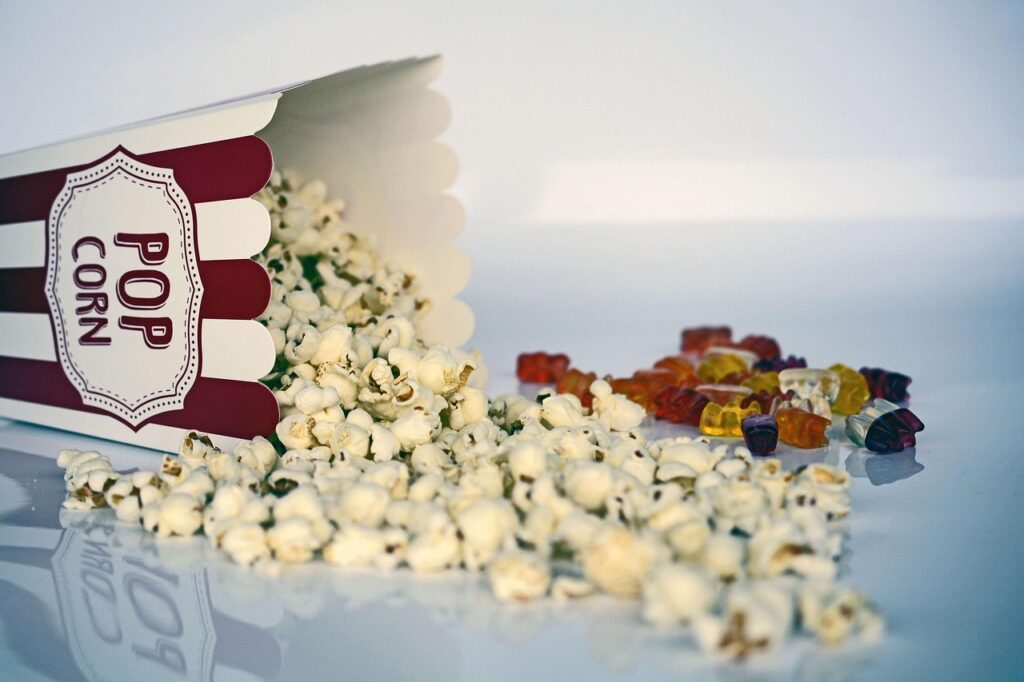
Popcorn packaging is not one specification applied across every product. A shelf-stable bag of kernels, a ready-to-eat pouch, a cinema tub and a microwave popcorn bag all face different packaging risks, including oil migration, aroma loss, moisture pickup, crushing, heat exposure, labeling space and disposal expectations.
That is why the starting point should be the format and use case, not the material alone. Brands and buyers need to define whether the pack must run through heat sealing, withstand microwave heating, present well on a retail shelf, support portion control or carry compostability and recycling claims. As with any food packaging, those decisions also need to be checked against food-contact rules and the collection or composting systems available in the target market.
For more background on related packaging categories, see the food packaging section.
The main popcorn packaging formats and where they fit
Popcorn is sold in several formats, and each one creates a different packaging brief. Treating them as the same can result in an over-engineered pack, weak shelf life or sustainability claims that do not match the actual package structure.
| Format | Typical packaging | Main packaging challenge | Common decision point |
|---|---|---|---|
| Unpopped kernels | Stand-up pouches, pillow bags, cartons, jars | Moisture control and shelf visibility | Barrier level, window material and reseal feature |
| Ready-to-eat popcorn | Metallized film pouches, paper-based packs with liners, tubs | Aroma retention, oil resistance and crunch protection | Grease barrier, seal integrity and pack stiffness |
| Microwave popcorn | Specialized paper bags with heat-resistant and grease-resistant construction | High-temperature performance and food-contact safety | Approved materials, susceptor design if used and migration testing |
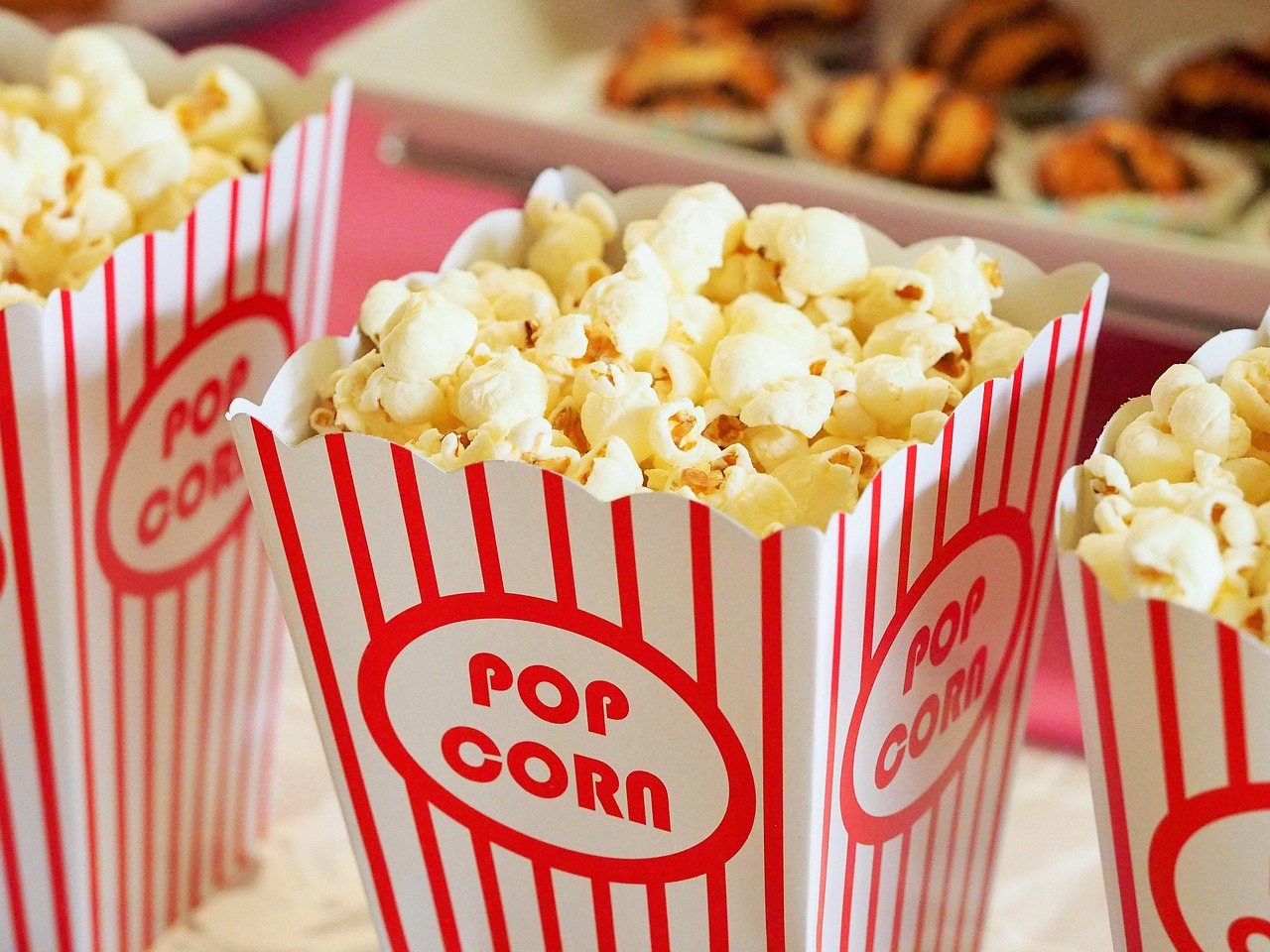
| Foodservice and cinema popcorn | Paper tubs, buckets, trays and sleeves | Portion size, grease holdout and fast filling | Board grade, coating, stackability and print durability |
| Gift and premium popcorn | Tins, rigid boxes, window cartons, decorated pouches | Perceived value and product protection | Reclosability, decoration and secondary packaging |
For kernels, the package mainly protects against moisture changes that can affect popping quality. For ready-to-eat popcorn, the focus shifts to crispness, oxygen exposure and oil management. For microwave popcorn, the pack becomes part of the cooking system, so the material and construction requirements are stricter than for standard snack packaging.
Material choices for popcorn packaging
Paper, paperboard, flexible plastic films and composite laminates all have a role in popcorn packaging. The right choice depends on the product’s fat content, target shelf life, filling equipment, distribution distance and the brand’s end-of-life message.
Paper and paperboard
Paper and paperboard are widely used for tubs, cartons, sleeves and some pouch concepts because they are printable, familiar to consumers and suitable for dry food applications when correctly specified. Popcorn with butter, oil, cheese seasoning or caramel coating is more demanding. Untreated paper can stain, soften or lose strength, so grease-resistant coatings or liners are often needed.
Paper-based packs can support a natural or craft look, but they should not be described as recyclable or compostable without checking the coating, ink, adhesive and local infrastructure. A paper cup or tub with a heavy plastic or specialty barrier layer may behave differently in recycling than plain paperboard.
Flexible films and laminates
Flexible films are common for ready-to-eat popcorn because they are lightweight, efficient on high-speed equipment and can deliver strong moisture and oxygen barriers. Metallized film is often selected when aroma protection and shelf life are important. Clear film improves product visibility, but it may offer different light and oxygen protection, so the choice should be validated against shelf-life needs rather than made only for appearance.
Multi-material laminates can perform well technically, but they can be difficult to recycle where flexible packaging collection and sorting systems are limited. Mono-material polyethylene or polypropylene structures may improve recyclability in some markets, provided they still meet seal, stiffness, barrier and grease-resistance requirements.
Rigid containers and tins
Rigid containers, especially tins and decorative boxes, are common in gift popcorn and seasonal assortments. They protect the product from crushing and allow premium graphics, but they add weight and cost. Their value is strongest when the package is reused, supports a higher average selling price or protects multiple flavor packs inside a gift set.
Food-contact and PFAS considerations
Food-contact compliance is central to popcorn packaging because the product may be oily, hot or both. In the United States, the Food and Drug Administration regulates substances that come into contact with food, including packaging components. The FDA’s food-contact framework covers indirect additives and food-contact substances used under authorized conditions of use.
Grease resistance has become a particularly important issue. On February 28, 2024, the FDA announced that grease-proofing materials containing PFAS were no longer being sold for use in food packaging in the U.S. The agency specifically named microwave popcorn bags, fast-food wrappers, take-out paperboard containers and similar packaging as examples of food packaging affected by this market phase-out. For popcorn brands, this is a reason to review legacy specifications, especially if older microwave bag constructions, grease-resistant wraps or imported paper-based packs are still in use.
In the European Union, Regulation (EU) 2025/40 on packaging and packaging waste adds further pressure on packaging design. EU guidance states that food-contact packaging placed on the EU market after August 12, 2026 must comply with the PFAS limits in the regulation, while packaging placed on the market before that date does not need to be withdrawn solely for that reason. The same regulation also supports the broader policy direction that packaging should become more recyclable by 2030.
These rules do not require every popcorn pack to use the same material. They do mean that grease barriers, coatings, inks, adhesives and heat-use conditions should be documented and checked for the target market. Supplier declarations, migration testing where applicable and clear specifications are more useful than broad claims such as “eco-friendly coating” or “food safe paper.” See also: Eco Packaging.
Performance factors buyers should specify before ordering
A popcorn package can look acceptable in a sample room and still fail in distribution, storage or use. Buyers should convert product needs into measurable specifications before selecting a supplier or approving a structure.
- Moisture barrier: Popcorn loses quality when it absorbs moisture. Ready-to-eat popcorn also loses crunch quickly if the barrier is too weak.
- Oxygen and aroma barrier: Butter, cheese, caramel and seasoning oils can oxidize or lose aroma. Barrier choice should match the expected shelf life.
- Grease resistance: Oil staining can damage appearance, weaken paper and create consumer complaints.
- Seal strength: Weak seals can cause flavor loss, leakage or contamination risk. Seal performance should be tested after filling, not only on empty film.
- Crush protection: Popcorn is light but bulky. Large bags need enough stiffness and case-packing support to avoid crushed product and poor shelf presentation.
- Heat performance: Microwave popcorn bags must be designed for heating conditions. Ordinary snack packaging should not be substituted for microwave use.
- Print and labeling space: Nutrition panels, allergen statements, heating instructions, disposal claims and brand graphics all compete for space.
- Machine compatibility: Film thickness, coefficient of friction, roll width and seal temperature window affect filling speed and waste.
The practical point is straightforward: do not approve popcorn packaging on appearance alone. A sound approval process includes filled-pack testing, storage observation, seal checks and a review of claims before artwork is finalized.
Sustainability claims need careful wording
Many popcorn brands want packaging that looks natural and reduces plastic use. The goal is understandable, but sustainability claims are easy to overstate. A paper-looking pack may include a plastic or specialty coating. A compostable film may require industrial composting facilities. A recyclable pouch may only be recyclable where flexible film collection exists.
Compostability should be linked to recognized standards and actual disposal conditions. ASTM D6400, for example, is a standard specification used for labeling plastics designed to be composted in municipal or industrial composting facilities. It does not mean every consumer has access to a suitable facility, or that a pack will compost in a home compost pile. Claims should state the condition clearly, such as industrial composting, where accepted.
Recyclability also needs market-specific review. A mono-material flexible pouch may be a step toward better recyclability, but it still depends on collection, sorting and reprocessing systems. Paper tubs may be accepted in some fiber streams if contamination and coatings are manageable, while heavily soiled or complex coated items may be treated differently. The most defensible approach is to align claims with the actual material structure and the disposal systems in the sales region.
A practical specification checklist for popcorn packaging
Before approving a popcorn packaging design, brands and sourcing teams can use a short checklist to reduce avoidable problems.
- Define the product type: kernels, ready-to-eat popcorn, microwave popcorn, foodservice popcorn or gift packaging.
- Confirm food-contact status: check that films, papers, coatings, inks and adhesives are suitable for the intended food and temperature conditions.
- Review grease-barrier chemistry: ask suppliers for documentation, especially for paper-based or microwave formats where grease holdout is critical.
- Set shelf-life targets: choose barrier properties based on actual shelf-life needs, not only on cost or appearance.
- Test filled packs: run drop, compression, seal, leakage and storage checks with real product.
- Validate heating instructions: microwave packs require clear use instructions and materials designed for microwave conditions.
- Check labeling and claims: review nutrition, allergen, disposal and sustainability statements before mass printing.
- Match pack size to channel: club stores, convenience retail, cinemas and e-commerce need different strength and display features.
This checklist is especially useful when changing from a conventional laminate to a paper-based, compostable or mono-material structure. A more sustainable-looking pack only succeeds if it still protects the popcorn and uses claims that can be supported.
Frequently asked questions
What is the most common packaging for ready-to-eat popcorn?
Ready-to-eat popcorn is commonly packed in flexible pouches because they are lightweight, printable and efficient for snack filling lines. Depending on shelf-life needs, the pouch may use clear film, metallized film or another barrier structure.
Is paper popcorn packaging always recyclable?
No. Recyclability depends on coatings, liners, grease contamination and local recycling rules. Plain paperboard may be easier to recycle than heavily coated or food-soiled packaging, but each structure should be checked against the target market.
Can microwave popcorn use ordinary snack packaging?
No. Microwave popcorn packaging must be designed for heating conditions and food-contact use during cooking. Ordinary snack pouches are not a substitute for microwave bags.
What should buyers ask suppliers about PFAS?
Buyers should ask whether any grease-resistant paper, coating or treatment contains PFAS, request current food-contact documentation and verify suitability for the sales market. This is particularly important for microwave popcorn bags and other grease-resistant paper formats.
How can a popcorn brand reduce packaging waste without hurting quality?
The most realistic approach is to right-size the pack, avoid unnecessary secondary packaging, test recyclable or mono-material structures where they meet performance needs, and use clear disposal claims. Reducing material should not compromise seal integrity, shelf life or food-contact safety.