Aluminium packaging in the circular economy for food and beverage brands
Why aluminium packaging is attracting attention
Aluminium packaging is often promoted as an eco packaging option because the metal can be recycled repeatedly without losing its basic material properties. That point matters, but it is only useful when the package is actually collected, sorted and remelted into new material. For food and beverage brands, aluminium is strongest when it protects the product, replaces formats that are harder to recover, and fits a local recycling system that can capture it at scale.
It is less convincing when aluminium is used as a thin layer in complex flexible packaging, when coatings or attachments interfere with recovery, or when the supply chain relies heavily on primary aluminium. In short, aluminium is not automatically sustainable. It is a strong circular packaging candidate under the right design, sourcing and collection conditions.
For readers comparing materials across the wider eco packaging landscape, aluminium deserves attention for three practical reasons: it has high scrap value, it is already widely used in beverage and personal-care formats, and recycling aluminium can save up to 95% of the energy needed for primary production, according to the International Aluminium Institute. (international-aluminium.org)
Where aluminium packaging works best
Aluminium is used in many packaging formats, but the circularity case is strongest in formats that are easy to identify, collect and sort. A beverage can entering a deposit return system is very different from a metallised snack wrapper or a multi-layer pouch that contains a thin aluminium barrier. Both may involve aluminium, but recyclers do not treat them in the same way.
Beverage cans and bottles
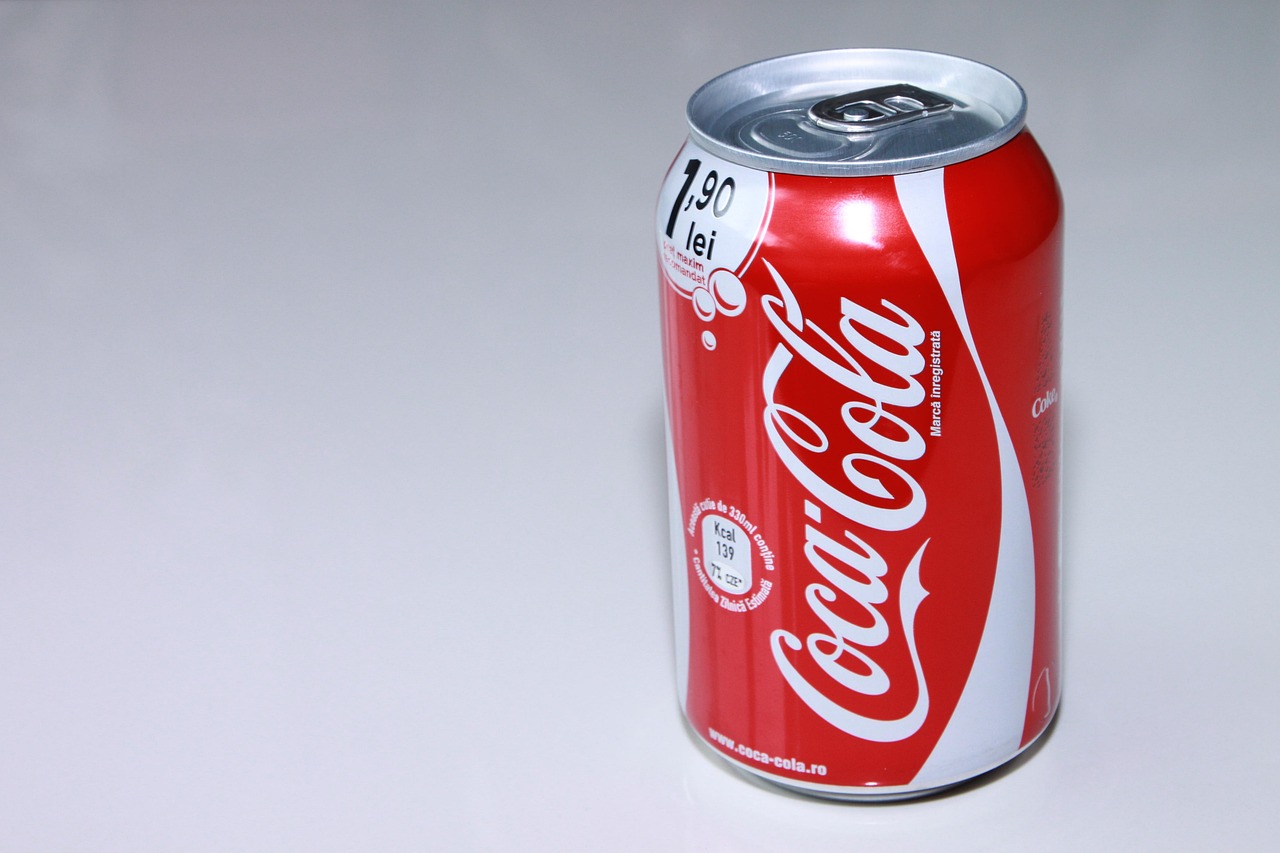
Beverage cans are the most visible aluminium packaging format and have the clearest recycling pathway. They are rigid, recognisable, valuable in the recycling stream and suitable for closed-loop can-to-can recycling when quality and collection rates are high. Aluminium bottles and specialty beverage containers can offer similar benefits, although their recovery depends on whether local systems identify them as acceptable metal packaging.
Foil, trays and semi-rigid containers
Foil trays, lids and household foil protect food from oxygen, moisture and light. They are useful in ready meals, bakery, catering and takeaway formats because aluminium tolerates heat and provides a strong barrier at low thickness. The recycling challenge is more practical: lightweight foil is often contaminated with food residue, folded into small pieces, or lost during sorting. Brands using aluminium trays should prioritise clear disposal instructions and designs that reduce residue and mixed-material attachments.
Aerosols, tubes and closures
Aluminium aerosols, cosmetic tubes, caps and closures can be attractive where barrier performance, corrosion resistance, premium appearance and light weight matter. These applications also need careful attention to product residues, valves, liners, pumps and other non-aluminium components. A package that looks like aluminium but contains multiple inseparable parts may be harder to recover than a simple mono-material format.
Recycling performance depends on collection systems
The strongest argument for aluminium packaging is not that it can be recycled in theory. It is that some formats achieve high recovery in practice. The gap between Europe and the United States shows why collection policy and consumer behaviour matter as much as material choice.
| Region or source | Latest reported data point | What it means for packaging decisions |
|---|---|---|
| Europe, including the EU, UK, Switzerland, Norway and Iceland | European Aluminium and Metal Packaging Europe reported a 76.3% aluminium beverage can recycling rate for 2023, in a release dated February 17, 2026. | High collection rates support can-to-can recycling and make aluminium cans a stronger circular packaging case. (metalpackagingeurope.org) |
| United States beverage cans | The Aluminum Association and Can Manufacturers Institute reported a 43.0% consumer recycling rate for aluminium beverage cans in 2023. | The material has value, but too many cans are still lost when collection systems are weak or inconsistent. (aluminum.org) |
| United States aluminium containers and packaging | U.S. EPA municipal solid waste data reported a 34.9% recycling rate for aluminium containers and packaging in 2018. | Broader aluminium packaging recovery is lower than the best-performing can systems, partly because the category includes formats beyond beverage cans. (epa.gov) |
| Energy benefit of recycling | The International Aluminium Institute states that aluminium recycling saves up to 95% of the energy required for primary aluminium production. | The climate benefit depends on used packaging becoming metal feedstock again rather than being lost to landfill, incineration or poorly controlled disposal. (international-aluminium.org) |
Deposit return systems are especially important for cans because they create a dedicated, relatively clean stream of used beverage containers. In the European Union, Regulation (EU) 2025/40 on packaging and packaging waste entered into force in February 2025, with rules applying on a phased basis from August 12, 2026. The regulation requires EU member states to take measures for at least 90% separate collection by weight, by January 1, 2029, for single-use plastic beverage bottles and single-use metal beverage containers up to three litres, subject to the regulation’s conditions and exemptions. (environment.ec.europa.eu)
For brands selling across borders, the practical lesson is simple: a package should not be assessed only by its material. It should be assessed by the collection route it will enter after use. Aluminium cans in a strong deposit market can perform very differently from the same cans in a market with low participation and inconsistent access to recycling.
The sustainability advantage and the carbon caveat
Aluminium’s circularity advantage comes from the difference between primary and secondary production. Primary aluminium requires mining, alumina refining and smelting, all of which are energy-intensive. Secondary aluminium starts from scrap and needs far less energy. This is why recycled content, collection rates and low-carbon electricity matter in any aluminium packaging claim.
The International Aluminium Institute reported that total aluminium sector greenhouse gas emissions in 2023 were about 1.1 billion tonnes of CO₂ equivalent, and that average greenhouse gas intensity for primary aluminium was 14.8 tonnes of CO₂ equivalent per tonne of primary aluminium. These figures do not mean every aluminium package has the same footprint, but they show why primary metal content is a critical variable. (international-aluminium.org)
The U.S. can market shows the positive side of the equation. The Aluminum Association has reported that the average recycled content of an aluminium can made in the United States stands at 71%, and that aluminium cans remain highly valuable in the recycling stream compared with common competing beverage packages. High scrap value can support recycling economics, but it does not eliminate collection losses. (aluminum.org)
The responsible conclusion is therefore balanced. Aluminium packaging can reduce dependence on virgin resources when it is recovered as high-quality scrap. It can also carry a significant carbon burden when it relies on primary metal from energy-intensive supply chains. Brands should avoid broad claims such as fully sustainable or endlessly circular unless they can support them with format-specific recycling data, recycled content information and market-specific collection evidence. See also: Food Packaging.
Design choices that make aluminium easier to recover
Design for recycling is not a slogan. It is a set of decisions that determine whether packaging can enter a real recovery stream. For aluminium packaging, the most important decisions usually happen before launch.
- Prefer mono-material structures where possible. A simple aluminium can, tray or tube is usually easier to recover than a laminate in which aluminium is bonded to plastic and paper layers.
- Check coatings, lacquers and inks. Food-contact coatings are often necessary, but they should be compatible with established recycling and remelting processes. Decorative finishes should not make the package hard to identify or sort.
- Avoid unnecessary attachments. Plastic sleeves, pumps, composite labels and mixed-material closures can reduce the quality of recovered metal or move the package into a less favourable recycling pathway.
- Design for emptying and cleaning. Food residue, viscous cosmetics and pressurised contents can affect collection and sorting. If the package is hard to empty, the recycling claim becomes weaker.
- Use clear disposal guidance. Consumer instructions should match the actual rules in the selling market. A generic recyclable claim is less useful than a specific instruction that reflects local collection.
- Ask whether the format is captured at scale. A material may be technically recyclable, but a small or unusual format may still be missed by common sorting systems.
The practical goal is to preserve the value of aluminium after use. The more a design helps the package behave like a clean, recognisable aluminium item, the stronger its circularity case becomes.
How buyers should compare aluminium with other packaging materials
No packaging material wins every comparison. Aluminium should be compared with plastic, glass, paperboard, steel and compostable formats based on the product, market and end-of-life system. A beverage brand in a deposit market may find aluminium cans attractive. A dry snack brand using a thin aluminium barrier inside a flexible pouch may face a very different recycling reality.
Buyers should compare options using five questions:
- Does the material protect the product well enough to reduce waste? A package with a lower material footprint may still be a poor choice if it shortens shelf life or increases product loss.
- Is the package collected where it is sold? Local recycling access matters more than a generic global claim.
- Can the supplier document recycled content? Recycled content is not the same as recyclability. Both should be checked separately.
- Is the design compatible with sorting and remelting? A premium finish can become a problem if it complicates identification or separation.
- Does regulation affect the format? In the EU, the packaging regulation creates stronger pressure for recyclable design, harmonised labelling and high collection of beverage containers. Similar policy trends may influence procurement expectations in other markets.
This comparison approach prevents oversimplified material switching. Replacing a plastic bottle with an aluminium can may be sensible in one category, while replacing a lightweight mono-material pouch with a heavier aluminium format may need deeper life-cycle evidence. The right question is not whether aluminium is good or bad, but whether a specific aluminium package improves performance, recovery and resource efficiency in its actual use case.
Buyer checklist for aluminium packaging projects
Before specifying aluminium packaging, procurement and sustainability teams should ask suppliers for evidence rather than broad claims. Useful questions include:
- What percentage of the package is aluminium, and which components are not aluminium?
- What is the documented recycled content, and is it post-consumer, post-industrial or mixed scrap?
- Is the aluminium primary, secondary or a blend, and is any low-carbon primary supply documented?
- Which recycling stream is the package expected to enter in each target market?
- Are coatings, inks, labels and closures compatible with local recycling guidance?
- Will the format be accepted in deposit return systems, curbside recycling or specialist collection?
- Can the supplier provide packaging weight, material specification and compliance documentation?
These questions help brands move from a material-based sustainability claim to a system-based decision. That is especially important for aluminium, where the environmental advantage grows when high-value scrap stays in the loop.
Frequently asked questions
Is aluminium packaging recyclable?
Yes. Aluminium as a metal is recyclable, and it can be remelted repeatedly. However, a package being technically recyclable does not guarantee that it will be collected and recycled in a specific market. Format, size, coatings, contamination and local recycling rules all matter.
Is aluminium packaging more sustainable than plastic?
Sometimes, but not always. Aluminium can perform well when it uses recycled content and enters a strong recovery system, especially for beverage cans. Plastic may still be lighter or more suitable for certain products. A fair comparison should include product protection, packaging weight, recycled content, local collection and the carbon intensity of material production.
Why are beverage cans often discussed separately from foil and trays?
Beverage cans are rigid, recognisable and valuable in recycling systems, so they often achieve better recovery than lightweight or food-contaminated formats. Foil and trays can still be useful, but their recovery depends more heavily on consumer behaviour, cleanliness and sorting capability.
What is the main risk in aluminium sustainability claims?
The main risk is treating recyclability as proof of circularity. A credible claim should show that the package is designed for recycling, accepted in the target market, collected at meaningful rates and supported by responsible material sourcing.