Snack packaging trends shaping material choices, shelf life, and recyclability
Why snack packaging is changing
Snack packaging has to do more than contain a product. It has to protect crispness, manage moisture and oxygen, resist grease, carry required labeling, support transport, communicate clearly on shelf, and increasingly fit into recycling or waste-reduction programs. The main shift is not simply from plastic to paper, or from pouches to boxes. It is a move toward packaging systems that balance product protection, material reduction, food-contact safety, and end-of-life design. For brands, converters, and buyers, the practical question is which structure can protect the snack while creating fewer compliance and recovery issues after use.
This applies across chips, nuts, crackers, biscuits, dried fruit, confectionery, meat snacks, popcorn, granola, and single-serve portions. Many of these products are sensitive to oxygen, water vapor, light, aroma transfer, or physical damage. A pack that is easy to recycle but leads to faster staling, oil oxidation, or breakage may increase waste overall. At the same time, high-barrier multilayer films that perform well in distribution can be hard to recycle when they combine polymers, metallization, inks, coatings, adhesives, and sealants in one thin structure.
For more background on materials and formats across the category, see the food packaging section.
What snack packaging has to protect
The first design decision should be based on product sensitivity, not on the package format alone. A salted potato chip does not need the same structure as a chocolate-coated biscuit or a protein bar with nuts and inclusions. The package has to match the product’s main failure risks during filling, transport, storage, retail display, and consumer use.
- Moisture control: Crispy snacks, crackers, pretzels, and wafers can lose texture when the package allows too much water vapor transmission. Moisture gain is one of the most common reasons a dry snack tastes stale even before it becomes a food safety concern.
- Oxygen control: Nuts, fried snacks, seeds, and products with oils can develop rancid notes when oxygen exposure is too high. Nitrogen flushing, suitable barrier films, and reliable seals are often used together.
- Light protection: Products with fats, colors, or sensitive flavors may need opacity or light barrier, especially in transparent display formats.
- Aroma and flavor retention: Strong seasoning can migrate or fade if the structure has poor aroma barrier. This is especially relevant for spicy, cheese, onion, coffee, or meat-flavored snacks.
- Mechanical protection: Fragile snacks need suitable pack geometry, headspace, secondary cartons, or tray support to reduce breakage during handling.
- Grease resistance: Oily snacks need inner layers, coatings, or paper treatments that help prevent staining, weakening, or loss of shelf appeal.
These requirements explain why flexible packaging remains common in snacks. It uses relatively little material, can be formed at high speed, and can provide tailored barrier properties. The challenge is to keep those functional benefits while improving recyclability and removing unnecessary complexity.
Common snack packaging formats and where they fit
Different snack formats solve different problems. A pillow bag can be efficient for lightweight products, while a tray or tub may be justified for fragile or premium items. The table below summarizes typical uses and trade-offs.
| Format | Typical snack uses | Main advantages | Key limitations |
|---|---|---|---|
| Pillow bag | Chips, popcorn, extruded snacks, small crackers | Low material use, high-speed filling, good shelf presence | Limited reclosure and often difficult to recycle if multilayer or metallized |
| Stand-up pouch | Nuts, dried fruit, granola, candy, premium snacks | Reclosable options, strong shelf visibility, larger printable area | More material and components than simple bags; zipper and gusset choices affect recyclability |
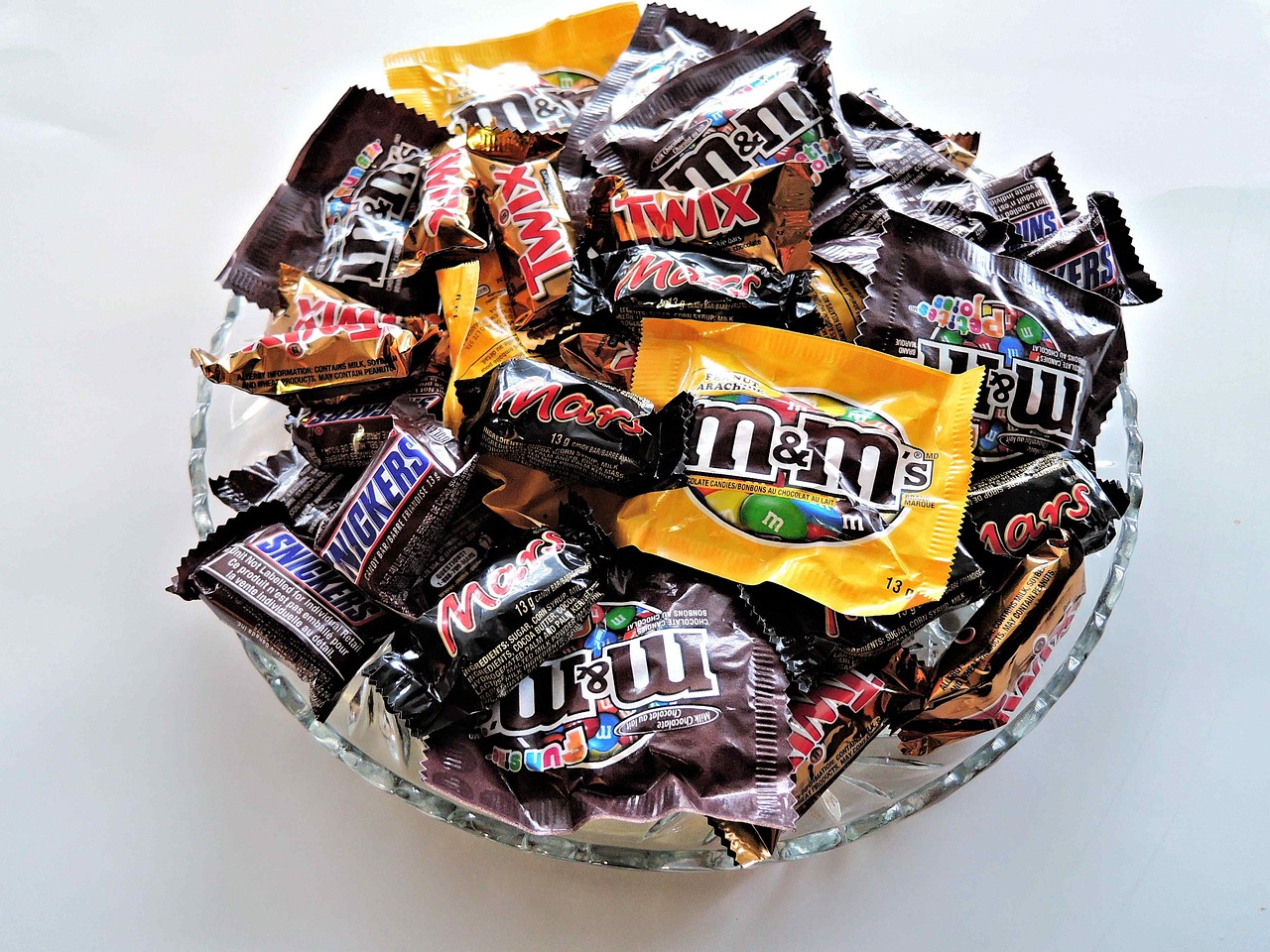
| Flow wrap | Bars, biscuits, wafers, individual portions | Efficient portion control, good machine speed, clear product count | Small packs may be hard to sort in recovery systems |
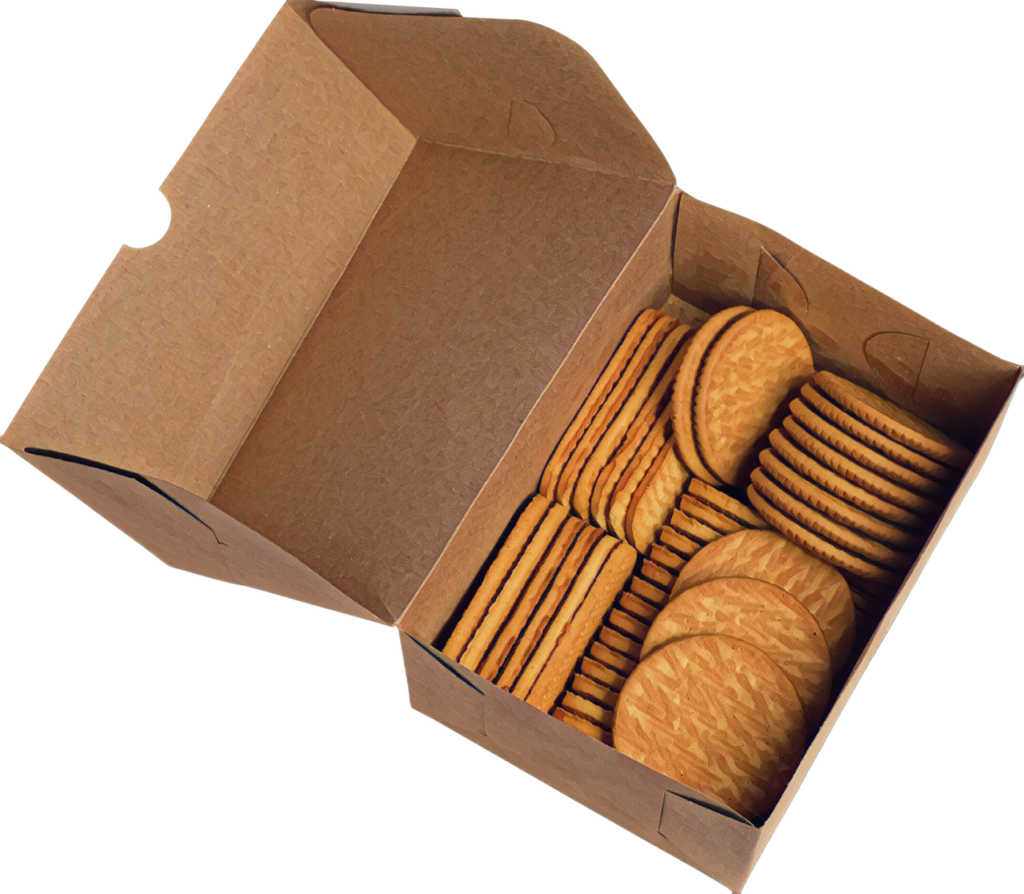
| Carton with inner liner | Crackers, cookies, multi-packs | Better stacking, branding, and breakage protection | Uses multiple components and requires clear separation instructions |
| Rigid tub or tray | Dips, snack mixes, cookies, fragile confectionery | Strong protection and good reclose potential | Higher pack weight and more transport volume than flexible formats |
The practical trend is not one universal replacement. It is a closer match between the snack, the shelf-life target, and the end-of-life pathway available in the selling market.
Material choices are moving toward simpler structures
Traditional high-performance snack packaging often used multilayer laminates because each layer had a specific role. One layer could provide printability, another stiffness, another oxygen barrier, another heat seal, and another light protection. That approach delivered reliable performance, but it also made post-consumer recycling more difficult because recycling systems prefer materials that can be identified, sorted, and processed into consistent streams.
Industry guidance from groups such as CEFLEX has emphasized mono-material polyolefin structures, especially mono-PE and mono-PP where functionally possible, because simpler polymer families are generally easier to sort and recycle than mixed laminates. This does not mean every snack can immediately move to one material. Barrier needs, heat resistance, pack stiffness, line speed, seal integrity, and cost still matter. It does mean new structures are increasingly judged by whether their inks, adhesives, coatings, barrier layers, zippers, and labels remain compatible with the intended recycling stream.
Mono-material films
Mono-material flexible packaging aims to keep most of the structure within one polymer family. For snacks, this can reduce recycling complexity when the package is also accepted by local collection and sorting systems. The design challenge is to maintain barrier, puncture resistance, seal strength, and machinability without relying on incompatible layers.
Metallized and high-barrier films
Metallized films remain relevant for many oxygen- and light-sensitive snacks. They can protect flavor and reduce rancidity risk, but they may complicate sorting or recycling depending on the structure, metal layer, and local infrastructure. The packaging decision should compare product waste risk with recovery goals rather than treating metallization as automatically good or bad.
Paper-based snack packaging
Paper can support a natural shelf appearance and may be favored for some dry snacks, bakery items, or secondary packaging. Yet paper used for direct snack contact often needs grease resistance, heat sealing, or barrier coatings. If those coatings prevent fiber recovery or create contamination, the environmental benefit becomes less straightforward. Paper is most effective when the barrier requirement is moderate and the package is designed for the actual paper recycling stream.
Compostable materials
Compostable packaging can be useful in specific foodservice or closed-loop environments, but it should not be presented as a universal solution for retail snacks. Compostability depends on certification, collection access, consumer instructions, and industrial composting conditions. For dry snack aisles, recyclability, lightweighting, and source reduction often remain more practical near-term priorities.
Regulation and food-contact safety cannot be separated from design
Snack packaging is food-contact packaging, so material innovation must stay within regulatory limits. In the United States, the Food and Drug Administration regulates food contact substances and evaluates whether materials used in packaging may safely contact food under intended conditions of use. This includes attention to components that could migrate from films, coatings, adhesives, inks, or recycled polymers into food.
Recycled content also requires caution. Not every recycled plastic is suitable for direct food contact, and suitability depends on the recycling process, contamination controls, intended use, and regulatory status. FDA guidance on recycled plastics highlights the need to evaluate possible contaminants and migration risk. For snack packaging, this is especially relevant when a brand wants both direct food contact and recycled-content claims. See also: Eco Packaging.
In the European Union, Regulation (EU) 2025/40 on packaging and packaging waste entered into force on 11 February 2025 and has generally applied since 12 August 2026. The regulation is intended to reduce packaging waste, improve recyclability, and increase recycled plastic use over time. For snack packaging sold into EU markets, this makes design-for-recycling, packaging minimization, documentation, and claims control more important than before.
These regulatory points should be treated as design constraints, not last-minute paperwork. A film change that improves print appearance but changes migration behavior, a new recycled-content layer, or a different adhesive system may require review before commercial use. Packaging teams should involve regulatory, quality, and procurement functions before approving a new snack pack specification.
Sustainability claims need evidence, not slogans
Snack packaging often carries high sustainability expectations because consumers see the package before they see the supply chain. However, claims such as recyclable, compostable, plastic-free, reduced plastic, or made with recycled content can be risky if they are not specific and market-relevant. A package may be technically recyclable in a lab but not widely collected. A paper pack may use renewable fiber but still include coatings that limit recycling. A lighter plastic pack may have a lower material footprint but poor consumer perception.
A more credible approach is to define each claim with evidence:
- Recyclable where? Identify the markets and collection systems where the pack is accepted.
- Recycled content in which layer? Clarify whether recycled material is in direct food contact, behind a functional barrier, or in secondary packaging.
- Reduced compared with what? Use a defined baseline package, weight, and time period.
- Compostable under which conditions? Distinguish industrial composting from home composting if applicable.
- Does the change affect food waste? Check whether shelf life, seal integrity, and breakage rates remain acceptable.
Source reduction remains one of the most practical strategies when it does not compromise performance. Thinner gauges, optimized headspace, right-sized cartons, smaller labels, and reduced secondary packaging can lower material use. But downgauging should be tested carefully because weak seals, pinholes, poor stiffness, or crushing can create product loss.
What buyers should ask before changing snack packaging
A packaging change should be evaluated as a system, not as a single material substitution. The following questions can help buyers, brand managers, and packaging engineers compare options more realistically.
- What is the required shelf life? Define the target under real storage and distribution conditions, not only ideal warehouse conditions.
- Which barrier properties are critical? Identify oxygen, moisture, grease, aroma, light, and puncture requirements before choosing a material.
- Will the pack run on existing equipment? Check forming, filling, sealing temperature, line speed, coefficient of friction, and waste during setup.
- How will the pack be opened and reclosed? Consumer convenience can affect freshness after opening and influence repeat purchase.
- What is the end-of-life route in the selling market? Design for the recovery system that actually exists, not only for an ideal future system.
- Are claims legally supportable? Confirm recycled content, recyclability, compostability, and material-origin claims with documentation.
- Does the design reduce total waste? Consider packaging weight, product damage, shelf-life loss, returns, and secondary packaging together.
Testing should include accelerated shelf-life evaluation, seal checks, drop or compression tests where relevant, transport simulation, print rub resistance, and consumer-use review. For flexible snack packs, small changes in film stiffness, sealant, or zipper placement can affect both production efficiency and the eating experience.
Frequently asked questions
What is the most common packaging for snacks?
Flexible packaging is common for many snacks because it is lightweight, printable, and adaptable to high-speed filling. Pillow bags, stand-up pouches, and flow wraps are widely used, while cartons, trays, and tubs are chosen when extra protection, stacking strength, or premium presentation is needed.
Is paper snack packaging always more sustainable than plastic?
No. Paper can be a good option for some snacks, especially secondary packaging or products with modest barrier needs. For oily, moisture-sensitive, or oxygen-sensitive snacks, paper may require coatings or liners. The more useful question is whether the full package protects the product and fits a real recovery route.
Why are many snack bags hard to recycle?
Many snack bags use multilayer structures that combine different polymers, metallized layers, coatings, inks, and adhesives. These layers help protect flavor and texture, but they can make the pack difficult to sort and process into high-quality recycled material.
Can recycled plastic be used in snack packaging?
It can be used in some cases, but food-contact suitability must be verified. The recycling process, contamination controls, polymer type, package structure, and intended food contact conditions all matter. Recycled content in secondary packaging is usually simpler than recycled content in a direct-contact snack film.
What should a brand prioritize when redesigning snack packaging?
Start with product protection and food-contact compliance, then optimize material use, recyclability, and claims. A lighter or more recyclable pack only works if it maintains shelf life, runs reliably on equipment, protects the product through distribution, and gives consumers clear disposal guidance.